
Polypore fungi
Polyporaceae
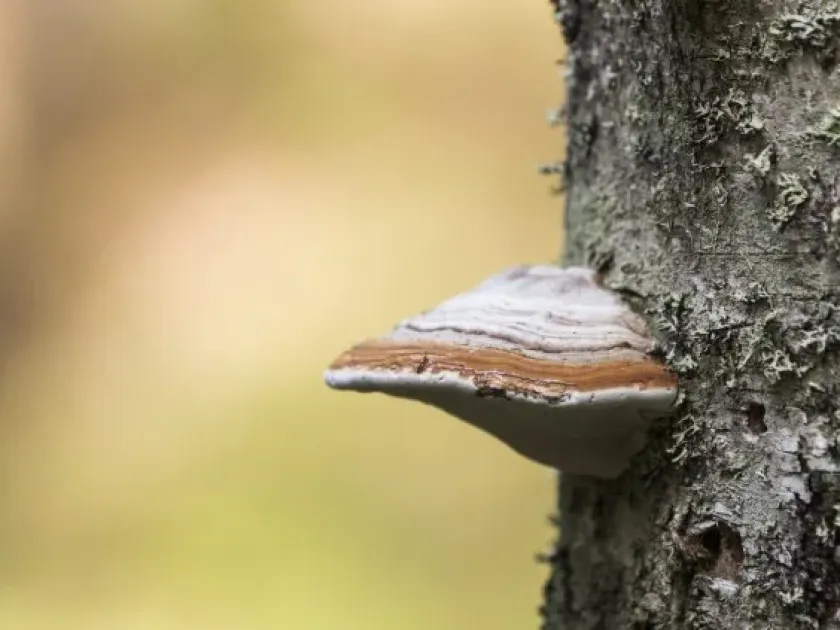
Description
Symptoms
The most visible sign of polypore infection is the appearance of perennial fruiting bodies on the trunk, branches, or root collar of the tree. These structures are often hoof-shaped or bracket-like.
Internal symptoms include various types of wood rot. The structural integrity of the wood is compromised, leading to white, brown, or variegated decay that softens the inner layers.
Leaves on infected trees often exhibit premature yellowing and shedding, reflecting the tree's inability to transport water and nutrients efficiently due to internal damage.
Cracks in the bark, sunscald areas, and mechanical wounds serve as entry points and are often surrounded by signs of fungal colonization.
A dull or hollow sound upon tapping the trunk indicates the presence of extensive internal decay, which is a classic diagnostic symptom of advanced polypore infestation.
Pathogen
Polypore fungi belong to the Basidiomycota phylum. They are specialized decomposers that thrive by secreting enzymes capable of breaking down complex plant cell wall polymers.
The mycelium grows through the woody tissue, slowly consuming the internal structure and often remaining hidden for several years before the first fruiting bodies emerge.
Spores are produced in the tube-like layers on the underside of the fruiting bodies. These spores are released in large numbers and distributed by wind and moisture.
Infection primarily occurs when spores land on exposed wood, such as pruning cuts, broken branches, or injuries caused by equipment and environmental stress.
These fungi play a vital role in forest ecosystems by decomposing dead wood, but in an agricultural or residential context, they act as destructive pathogens.
Conditions for development
Favorable conditions for fungal development include high relative humidity, moderate temperatures, and the availability of compromised woody tissue.
Trees weakened by drought, frost damage, or improper pruning are significantly more susceptible to infection by polypore spores.
Crowded plantings with poor air circulation increase the likelihood of spore settlement and create a microclimate that promotes the growth of the fungus.
Persistent moisture in bark fissures provides an ideal environment for spores to germinate and establish a colony within the cambium layer.
Poor orchard hygiene, such as leaving debris or infected stumps in the field, serves as a continuous reservoir for further fungal spread.
Why it matters
Polypore fungi cause severe wood decay, which significantly reduces the mechanical stability of the tree and increases the risk of catastrophic windthrow.
Infection leads to a decline in tree vigor, reduced fruit yield, and eventual tree death as the vascular system becomes completely destroyed.
Affected trees act as focal points for infection, potentially spreading spores to neighboring healthy specimens within an orchard or garden.
The internal nature of the damage makes it difficult to detect early, often resulting in significant economic loss before any treatment can be attempted.
The wood becomes brittle and structurally unsound, making it hazardous in areas near buildings, roads, or human activity.
Protection
Effective management requires the physical removal and destruction of all infected parts and fruiting bodies to limit spore dispersal.
Proper pruning techniques, including clean cuts and avoiding branch stubs, are essential to prevent the entry of fungal spores into the tree.
All large wounds must be treated immediately with wound dressings or antifungal coatings to provide a protective barrier against pathogen colonization.
Maintaining optimal tree health through balanced fertilization and irrigation helps the plant develop defense mechanisms against fungal attacks.
- Remove and burn infected woody debris
- Disinfect all pruning tools between trees
- Protect the bark from sunscald and mechanical injury
- Perform regular inspections of orchard trees
Discussion
No discussions yet — be the first.