
Powdery mildew
Podosphaera
Powdery mildew is caused by a group of obligate biotrophic fungi belonging to the order Erysiphales, with Podosphaera species being common pathogens in many agricultural and horticultural crops.
What the section contains
Powdery mildew
The fungus is a surface parasite; it lives on the plant's exterior surface, extending specialized structures called haustoria into the host's epidermal cells to extract nutrients.
The life cycle involves the rapid production of asexual spores (conidia) in chains, which are easily disseminated by wind to infect healthy plant tissues throughout the growing season.
The pathogen overwinters either as mycelium within dormant buds or as small, dark sexual fruiting bodies called chasmothecia on fallen leaves and debris.
It has an extremely broad host range, infecting a variety of crops including grapes, roses, cucurbits (cucumbers, melons), and various fruit trees.
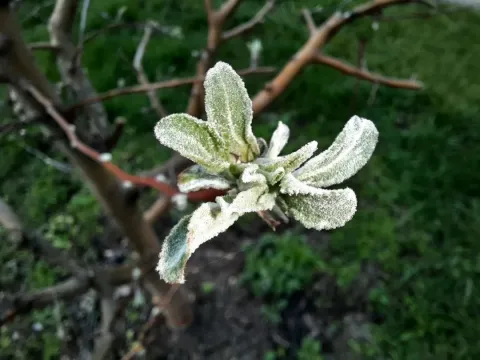
The hallmark symptom is the appearance of white or light gray, powdery spots or patches on leaves, stems, buds, and fruit, resembling a dusting of flour.
As the infection progresses, the white patches may expand and merge, eventually covering the entire surface of the affected plant part, sometimes turning a dull, brownish color.
Infected leaves often become distorted, cupped, yellowed, or brittle, and in severe cases, they may wither and drop prematurely from the plant.
On fruits, the mildew can cause irregular development, cracking, and a reduction in quality, making them susceptible to secondary infections or rot.
Shoot growth is frequently stunted or deformed, with internodes shortened, which leads to significant loss of vitality and decorative appeal in ornamental species.
Powdery mildew thrives in conditions characterized by warm temperatures (typically 18–25°C) and fluctuating humidity levels, which favor spore germination.
Unlike many other fungal diseases, powdery mildew does not require free water on the leaves to infect; instead, high relative humidity is sufficient for the spores to thrive.
Poor air circulation, often caused by overly dense planting or lack of pruning, creates a stable microclimate that promotes the rapid spread of the fungus.
High nitrogen fertilization can lead to a flush of soft, succulent growth that is exceptionally susceptible to fungal colonization, increasing the severity of an outbreak.
Plants under stress from drought or improper lighting are often more susceptible to infection, as their natural defense mechanisms are significantly compromised.
By covering the leaf surface, the fungal mycelium blocks essential sunlight, significantly reducing the host plant's ability to perform photosynthesis.
This deficit in energy production leads to overall plant weakening, reduced fruit yield, poorer taste quality, and a decrease in the plant's market value.
Long-term infestation can kill individual branches or even the entire plant, as the fungus continuously siphons nutrients from the host's tissues.
For ornamental plants, the infection ruins their aesthetic appearance, making them entirely unfit for sale or landscaping purposes.
Without intervention, the cumulative effect of the disease can cause major economic losses in both commercial agriculture and private garden management.
Cultural control is the first line of defense: prune out infected shoots, remove debris, and ensure adequate spacing between plants to maximize airflow.
Selecting and planting resistant cultivars is the most effective long-term strategy for preventing powdery mildew in your garden or orchard.
Chemical control involves the use of fungicides, such as sulfur-based products, triazoles, or strobilurins, applied at the first signs of the disease to curb spread.
Biological control, including the application of beneficial microbes like Bacillus subtilis, can be effective as a preventative measure or for light infections.
- Maintain good plant hygiene by removing diseased debris.
- Improve ventilation through regular thinning and pruning.
- Avoid excessive nitrogen to limit succulent, vulnerable growth.
- Apply appropriate fungicides as soon as symptoms appear.