
Powdery mildew of asteraceae
Leveillula lanuginosa
Description
Symptoms
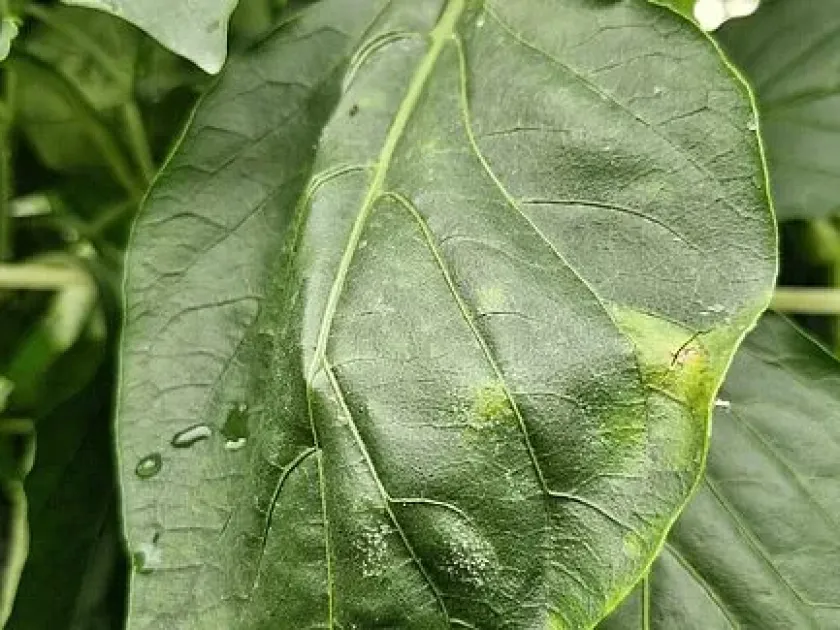
Initial symptoms are often subtle, characterized by the appearance of pale chlorotic spots on the upper leaf surfaces. As the infection progresses, these areas may become necrotic and brittle.
A distinctive, fluffy, white-to-grayish fungal growth appears primarily on the underside of the leaves, where the pathogen erupts through the stomata to produce spores.
In severe infections, the fungus spreads to the stems and flower stalks. This can cause stunted growth, severe deformation of the foliage, and the premature drying of leaves.
Floral buds are often severely impacted, leading to flower abortion, necrosis of petals, or the production of malformed, aesthetically unappealing blooms.
- Chlorotic spotting on foliage
- White fuzzy growth on leaf undersides
- Leaf distortion and curling
- Stunted stem growth
- Premature senescence
Pathogen
The causal agent of this disease is the ascomycete fungus Leveillula lanuginosa. Unlike typical surface-growing powdery mildews, this pathogen is characterized by an endophytic mycelium that penetrates deep into the host plant tissue.
This fungus targets a wide range of species within the Asteraceae family. It is particularly prevalent in ornamental aster species, chrysanthemums, and various vegetables grown in greenhouse conditions.
The life cycle involves the production of wind-dispersed conidia, facilitating rapid transmission between neighboring plants. The fungus survives unfavorable conditions in the form of cleistothecia on infected plant debris.
As an obligate parasite, the fungus extracts nutrients directly from host cells, leading to a significant depletion of plant resources and a reduction in overall vigor.
The biological adaptation of this species to grow internally within leaves makes it a difficult pathogen to manage, as it often remains undetected until visible symptoms manifest.
Conditions for development
The development of Leveillula lanuginosa is favored by fluctuating temperatures and moderate humidity levels, typically between 60% and 80%, which promote spore germination.
Poor ventilation in greenhouse environments leads to stagnant air pockets, which significantly increases the risk of rapid pathogen colonization across the entire crop.
Low light intensity, particularly during overcast periods, reduces the plant's natural defense mechanisms, making it more susceptible to penetration by the fungus.
Over-application of nitrogen-based fertilizers results in succulent, rapid growth that is highly attractive to the pathogen and provides ample tissue for infection.
Prolonged moisture on leaf surfaces, even if not visible to the naked eye, creates the necessary environmental interface for the fungus to successfully colonize the plant.
Why it matters
The disease severely compromises the aesthetic quality of ornamental plants, making them unsuitable for commercial sale or landscape application.
By reducing the total photosynthetic surface area, the infection leads to lower carbohydrate production, resulting in weakened plant growth and reduced flower yield.
The damage caused by the fungus creates entry points for various opportunistic pathogens, leading to secondary rot and tissue degradation.
In perennial species, the damage significantly impairs the plant's ability to store nutrients for winter dormancy, leading to reduced survival rates in the following spring.
The economic impact is characterized by increased production costs due to the necessity of frequent fungicide applications and the potential total loss of market-ready crops.
Protection
Effective management begins with rigorous field sanitation, including the thorough removal and destruction of all infected plant residues after the growing season.
Improving air circulation through proper spacing and pruning techniques is a critical preventative measure that naturally lowers the humidity at the leaf surface.
Systemic fungicides, particularly those containing triazoles or strobilurins, are recommended as they are capable of penetrating plant tissue to inhibit the endophytic growth of the fungus.
Incorporating resistant or tolerant cultivars into the crop rotation plan is the most sustainable long-term strategy for minimizing the impact of this pathogen.
Regular scouting for early symptoms is essential to initiate control measures before the infection reaches epidemic levels within the growing facility.
Discussion
No discussions yet — be the first.