
Phytophthora plurivora
Phytophthora plurivora
Phytophthora plurivora is a highly destructive oomycete pathogen known for causing root and collar rots in a wide variety of woody plant species. The name reflects its broad host range, allowing it to thrive in diverse ecosystems.
What the section contains
Phytophthora plurivora
The pathogen reproduces by forming motile zoospores that migrate through soil moisture to infect plant roots. Oospores are also produced, which act as resilient survival structures, allowing the pathogen to persist in soil for several years.
Dispersal is primarily through infested nursery stock, contaminated soil attached to machinery or tools, and surface water runoff. These pathways make the pathogen notoriously difficult to contain once established in a landscape.
Biologically, it targets the fine root system initially, causing progressive nutrient uptake failure. Over time, it colonizes larger structural roots, eventually reaching the root crown where it creates necrotic lesions.
Its ability to adapt to different hosts makes it a significant threat to forest restoration projects and nurseries. The pathogen effectively disrupts the vascular integrity of the plant, leading to gradual decline.
The first symptoms are often subtle, including chlorosis and early senescence of leaves. Affected trees may exhibit a sparse canopy, which is often misidentified as drought stress or nutrient deficiencies.
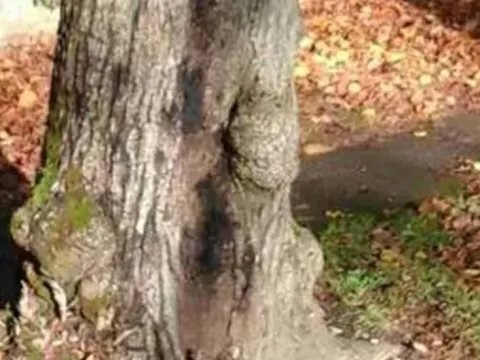
Examination of the root system reveals brown or blackish lesions, tissue necrosis, and a general lack of fine feeder roots. In advanced cases, the infection moves to the collar, showing sunken, dark-colored lesions on the bark.
Conifers often show resinous weeping at the base of the trunk when the collar is infected. The foliage may turn a dull red or brown color, eventually leading to branch dieback starting from the outer canopy.
Because the root system is affected long before canopy symptoms appear, diagnostics often occur when the tree has already reached a terminal stage. Laboratory isolation is essential for accurate diagnosis.
Reduced terminal growth and overall loss of vigor are common indicators of established infections. Trees weakened by this pathogen become secondary targets for wood-boring insects and other opportunists.
Excessive soil moisture is the primary driver for Phytophthora plurivora outbreaks. Saturated soils, poor drainage, and frequent irrigation cycles provide the necessary medium for zoospore movement.
The pathogen thrives in temperate conditions, though it remains active throughout the growing season. Compacted, clay-heavy soils that suffer from lack of aeration are particularly vulnerable to colonization.
Environmental stress factors, such as extreme heat followed by flooding, significantly exacerbate the plant's susceptibility to the pathogen. Mechanical root damage also provides an entry point for the zoospores.
In nursery environments, overhead irrigation and high planting densities contribute to rapid pathogen spread. Shared containers and non-sterilized growing media are major sources of infestation.
Human activity, including the movement of vehicles and foot traffic through muddy forest paths, serves as a major vector for transporting infected soil between different locations.
This pathogen causes severe economic losses in the horticultural industry and reforestation efforts. Entire nurseries can be devastated by a single introduction of the pathogen, leading to massive stock disposal.
In parklands and urban landscapes, the disease destroys valuable mature specimens, leading to increased costs for removal and site remediation. The loss of large trees changes the local microclimate and biodiversity.
Ecologically, it threatens native plant communities, potentially leading to the replacement of sensitive dominant species with resistant, often non-native, opportunistic weeds.
Once a site is infested, the pathogen creates a lasting limitation on the planting of susceptible species. This requires long-term planning and often the restriction of plant diversity in future management.
Because there is no definitive cure for severely infected plants, the ecological and financial burden of replacing plant material and monitoring the spread remains a constant challenge.
The first line of defense is the strict use of clean, disease-free nursery stock. Implementing rigorous quarantine procedures for all incoming plants is essential to prevent site contamination.
Improving soil drainage and preventing waterlogged conditions are crucial for long-term control. Proper site preparation and aeration help maintain root health and vigor, making plants more resilient.
Regular sanitation of tools, machinery, and irrigation systems is necessary to break the cycle of infection. Infected individuals should be removed completely, including the root ball, to limit the inoculum load.
Chemical control using systemic fungicides, such as fosetyl-aluminum, can be used as a preventative measure, especially in high-value nursery stock. However, these are not a substitute for proper cultural practices.
Biological control, particularly the use of beneficial fungi like Trichoderma, can help suppress the population of the pathogen in the rhizosphere and improve the overall biological health of the soil.