
Description
Symptoms
Early signs include small, water-soaked, greenish-black spots that appear on leaves and stems, quickly enlarging into dark necrotic lesions.
A distinctive white, fuzzy mold often appears on the underside of infected leaves, particularly during damp, humid weather conditions, indicating active sporulation.
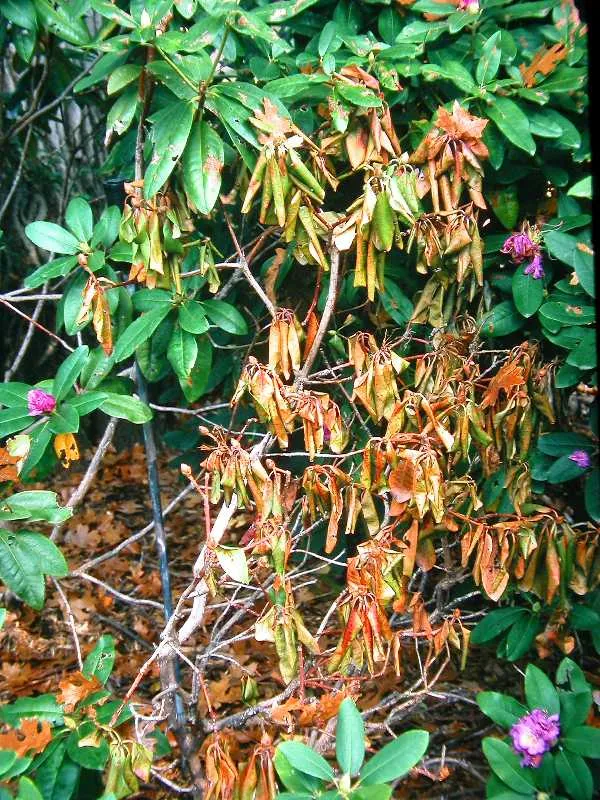
Stem lesions can girdle the plant, causing the entire foliage to collapse and wither, giving the plant a scorched or burned appearance.
Infected fruits or tubers develop firm, dark-brown rot, which often leads to secondary bacterial infections that turn the tissue into a soft, foul-smelling mess.
The disease progresses rapidly from the initial infection site to the rest of the plant, often causing total plant destruction within a few days under ideal conditions.
Pathogen
The pathogen responsible for this disease is the oomycete Phytophthora infestans, often mistaken for a fungus, but biologically classified within the Stramenopila kingdom.
This organism produces sporangia that can be wind-dispersed over long distances, allowing it to initiate infections across wide agricultural areas rapidly.
The pathogen relies on both sexual and asexual reproduction, which enables the development of new, more aggressive strains that can overcome existing plant resistance.
It overwinters in infected tubers, debris, or soil, acting as a persistent threat that reappears whenever environmental conditions are favorable for its growth.
The complex biology of this oomycete allows it to exploit various host plants within the Solanaceae family, effectively shifting between different species.
Conditions for development
Late blight development is driven primarily by cool, moist weather, with temperatures between 15°C and 22°C and high relative humidity levels above 80%.
Persistent fog, dew, or frequent light rainfall provide the necessary surface moisture for zoospore germination and penetration into plant tissues.
Poor aeration in greenhouses or overly dense planting schemes create microclimates that trap moisture and drastically accelerate the spread of the pathogen.
Over-fertilization with nitrogen can lead to excessive, tender vegetative growth that is more susceptible to rapid colonization by the oomycete.
Lack of proper field sanitation allows the pathogen to accumulate in soil residues, ensuring a high inoculum pressure for subsequent planting seasons.
Why it matters
Late blight is one of the most economically devastating plant diseases globally, capable of destroying entire fields of potatoes and tomatoes in record time.
It severely impacts crop productivity by destroying foliage, which inhibits photosynthesis and prevents the proper development of fruits and tubers.
The infection reduces the marketability and shelf life of produce, as affected fruits and tubers are prone to rapid decay during storage and transport.
The need for intensive chemical control programs to manage the disease increases production costs and challenges the sustainability of agricultural systems.
Total crop failure resulting from severe outbreaks can cause significant financial losses for farmers and disrupt food supply chains at the local level.
Protection
Effective control strategies involve a combination of cultural practices, such as choosing resistant cultivars and maintaining long-term crop rotation cycles.
Regular monitoring of weather forecasts helps determine the timing of fungicide applications, which is crucial for preventative management before an outbreak occurs.
Improving air circulation through proper spacing and pruning techniques reduces the moisture levels necessary for the pathogen to thrive.
Strict sanitation measures, including the destruction of culls and the removal of infected plant residues, are essential to reduce the local inoculum pool.
- Application of systemic and contact-based fungicides.
- Use of drip irrigation to keep foliage dry.
- Prompt removal of diseased plant parts to prevent further spread.
Content graph
Connections · Late blight
Most often together:
Marketplace
Products · 19





Community
Discussion
No discussions yet — be the first.