
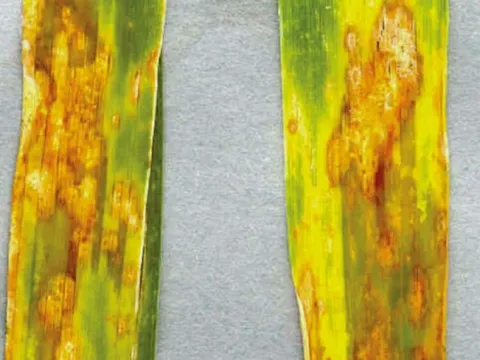
Wheat septoria
Parastagonospora
The causative agent of wheat septoria is the fungus Parastagonospora nodorum (formerly Stagonospora nodorum) as well as Zymoseptoria tritici.
What the section contains
Wheat septoria
These fungal pathogens are classified as ascomycetes and are capable of infecting wheat crops throughout the entire growing season.
The fungus survives on infected crop residues, wheat stubble, and volunteer wheat plants, which serve as the primary source of inoculum for the next crop.
Infection is spread by pycnidiospores and ascospores, which are dispersed primarily by wind-blown rain and splashing water onto the leaves of emerging plants.
Once the infection starts, the fungus produces pycnidia — small, dark-colored fruiting bodies that release new spores, enabling rapid secondary spread.
Initial symptoms appear as small, light green or yellow flecks on the lower leaves, which eventually turn into necrotic brown spots.
A hallmark of the disease is the appearance of tiny, dark black dots within the lesions; these are the pycnidia that characterize the pathogen.
As the disease progresses, these lesions merge, covering large areas of the leaf surface, eventually leading to chlorosis, premature senescence, and death of the leaves.
In cases of severe infestation, the disease spreads to the stem nodes and leaf sheaths, causing the plant to weaken and potentially lodge.
The heads of the wheat may also be affected, showing dark brown discolorations on the glumes, which often results in shriveled and low-quality grain.
The development of septoria is highly favored by cool, wet weather, especially when prolonged rainfall or high humidity occurs during the spring.
Optimal temperatures for the infection and colonization process are generally between 18°C and 25°C, coupled with high leaf wetness duration.
High-density planting increases the microclimate humidity and reduces airflow within the crop canopy, significantly accelerating the spread of the fungus.
Excessive use of nitrogen fertilizers can promote lush canopy growth, which is more susceptible to fungal attack and creates a conducive environment for the disease.
In fields where cereal stubble is left on the soil surface, the risk of early infection is significantly higher due to the presence of overwintering inoculum.
Wheat septoria is extremely destructive because it significantly reduces the green leaf area available for photosynthesis, which is critical for grain filling.
This reduction in photosynthetic capacity leads to lower grain weight, smaller kernel size, and reduced overall crop yield, often by 30% to 50% in bad seasons.
The quality of the grain is also severely impacted, showing low test weight and reduced market value due to damaged and shriveled kernels.
Seed-borne infection can further compromise the germination and vigor of the next generation of wheat, necessitating high-quality seed treatments.
Farmers face significant financial losses due to both decreased yields and the high cost of intensive fungicide applications required to control the spread.
Cultural practices such as crop rotation, which breaks the life cycle of the pathogen by avoiding consecutive wheat plantings, are the first line of defense.
Thorough incorporation of crop residues into the soil via deep tillage helps speed up the decomposition process and reduces the survival of fungal spores.
Planting resistant wheat varieties is the most effective and sustainable strategy to manage septoria and reduce the reliance on chemical inputs.
- Application of systemic fungicides during the flag leaf emergence stage.
- Using high-quality seed treatments to protect against early seedling infection.
- Balanced fertilization to ensure crops have the necessary resilience to pathogens.