
White bark rot
Marasmiellus albus-corticis
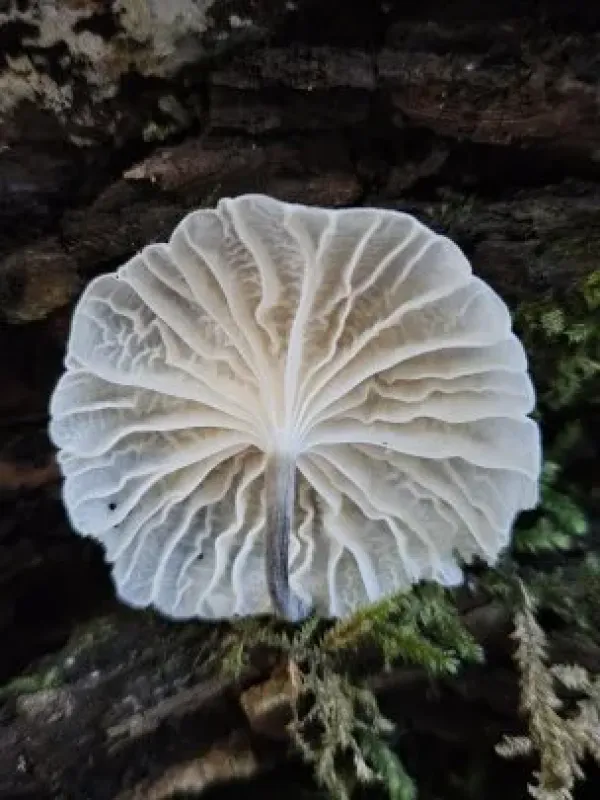
Description
Symptoms
The primary visual symptom of the disease is the appearance of a characteristic white mycelial coating on the bark of branches and trunks. The affected areas of the bark gradually take on a pale, almost whitish hue, which gave the disease its name.
As the pathogen progresses, the bark begins to crack, losing its elasticity and protective functions. Often, in the areas of infection, one can observe tissue death, leading to the formation of necrotic zones of various shapes and sizes.
During periods of high humidity, miniature fungal fruiting bodies resembling tiny cap-like structures may form on the surface of the affected bark. This indicates an active phase of sporulation and the pathogen's readiness to spread.
The wood beneath the bark in the affected areas is also involved in the pathological process, changing its structure and color. This often leads to the deformation of branches and their gradual drying out, which is noticeable by the change in leaf color in the crown.
In the late stages, peeling of the bark in patches is observed, which opens access to secondary infections and insect pests. The tree begins to experience severe stress due to the disruption of nutrient transport channels.
Pathogen
The disease is caused by the basidiomycete fungus Marasmiellus albus-corticis. It is a typical bark parasite that can also exist as a saprotroph on dead plant debris.
The fungus specializes in attacking woody crops, entering the bark through mechanical damage, frost cracks, or pruning sites. It gradually colonizes the surface tissues, destroying their structure.
The biological cycle of the pathogen is closely linked to environmental humidity. In favorable conditions, the mycelium is capable of rapid expansion, covering significant areas of the tree trunk and skeletal branches.
Fungal spores are carried by wind, rain droplets, or insects, ensuring rapid infection of neighboring trees in the orchard. Its high adaptability makes it resistant to many external factors.
The fungus mycelium possesses high enzymatic activity, allowing it to break down bark components. This leads to a gradual weakening of the tree's overall condition and a reduction in its immunity.
Conditions for development
The primary factor promoting the development of white bark rot is high humidity and frequent precipitation. In conditions of prolonged rain, fungal spores germinate actively on the bark surface.
Dense, poorly ventilated tree canopies create an ideal microclimate for Marasmiellus albus-corticis mycelium development. Lack of air circulation prevents the bark from drying quickly after rain.
Weakened trees that have bark damage from sunburn, frost, or improper pruning are attacked by the fungus first. Healthy tissues resist infection much more successfully.
Poor agricultural practices, including excessive nitrogen fertilization, reduce plant winter hardiness. This leads to the formation of cracks, which become entry points for the infection.
Temperature ranges within moderately warm weather (from +15 to +25 degrees Celsius) are considered the most favorable for active mycelium growth and spore dispersal throughout the garden plot.
Why it matters
The harmfulness of white bark rot lies in the gradual drying out of the affected branches. This leads to a significant decrease in the fruit-bearing area of the crown and, consequently, a drop in yield.
With extensive trunk damage, the tree may die completely. Disruption of the vascular system hinders the normal movement of water and mineral substances, causing fruits to remain small or drop prematurely.
Infected trees become a source of infection for the entire orchard. Without proper control, the disease quickly spreads to healthy plantings, affecting both young seedlings and mature trees.
Dead bark and damaged wood attract pests such as bark beetles. They aggravate the tree's condition by creating additional tunnels and carrying fungal spores deeper into the tissues.
Economic damage includes the cost of tree treatment, loss of harvest, and the need to remove irreversibly damaged specimens. The orchard loses its productivity and longevity.
Protection
The first step in control is a thorough sanitary pruning of all affected branches. Tools must be disinfected after each cut to prevent the spread of fungal spores.
All cuts and wounds on trees should be immediately treated with antiseptics. Garden paint or special pastes with fungicidal components are typically used to protect exposed areas.
Prevention includes annual whitewashing of trunks and the base of skeletal branches with lime mixed with copper sulfate. This helps to reduce the number of overwintering spores on the bark surface.
It is important to manage crown density: regular thinning pruning improves ventilation. This is critical to prevent the moisture stagnation that is the pathogen's main ally.
Applying modern copper-based fungicides or systemic preparations at the beginning of the growing season helps prevent mass infection. Treatments should be carried out strictly according to the manufacturer's regulations.
Discussion
No discussions yet — be the first.