
Beech canker
Neonectria coccinea
The causal agent of this disease is the ascomycete fungus Neonectria coccinea (formerly Nectria coccinea). It is a necrotrophic pathogen that primarily attacks the bark and cambium layers of beech trees.
What the section contains
Beech canker
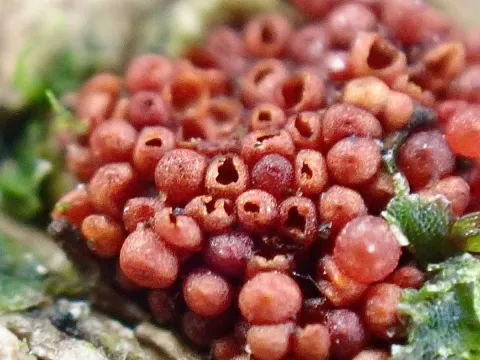
The fungus reproduces sexually by forming small, bright red to orange perithecia on the surface of the infected bark. These fruiting bodies are most visible during moist periods in autumn and spring.
Ascospores are released from the perithecia and are dispersed by wind and rain. Furthermore, conidial spores are produced during the growing season, facilitating secondary infections on susceptible hosts.
The mycelium can persist within the host tissue for several years. The fungus typically gains entry through bark wounds, frost cracks, or sites damaged by wood-boring insects.
There is a well-documented relationship between Neonectria coccinea and the beech scale insect. The feeding activities of the insect create necrotic sites that serve as primary infection courts for the fungus.
The initial sign of the disease is the appearance of small, sunken necrotic lesions on the bark. As the fungus progresses, these lesions expand and develop into distinct, elongated cankers.
In wet weather, clusters of orange or red perithecia emerge on the bark surface within the cankered area. These are reliable indicators of active fungal sporulation.
Above the site of infection, the leaves may show symptoms of chlorosis, wilting, or premature browning. Severe infections lead to crown dieback, which is a hallmark of systemic tissue damage.
In some cases, the infected bark may exude a dark, viscous fluid, often referred to as "weeping cankers." This indicates that the fungal invasion has severely disrupted the tree's vascular system.
When the bark is removed from an infected site, the underlying wood appears discolored, typically brown or reddish-brown. This wood decay often extends deep into the stem, weakening the tree structurally.
High humidity and rainfall are critical for the development and spread of beech canker. Moisture is required for the spores to germinate and for the mycelium to colonize the tree bark effectively.
Tree stress is a major predisposing factor. Beech trees subjected to drought, soil compaction, or poor nutritional status show decreased resistance to fungal colonization.
Infestations of beech scale insects are the primary ecological trigger for the disease. The damage caused by these insects significantly reduces the tree's defensive capabilities against the fungus.
Temperature fluctuations, particularly late spring frosts or winter freeze-thaw cycles, can create bark fissures. These frost cracks provide direct access for the pathogen into the tree's inner tissues.
Dense stand architecture with restricted airflow keeps the bark surface moist for longer periods, thereby increasing the probability of successful fungal infection and transmission.
The primary economic and ecological impact of beech canker is the mortality of mature trees. Girdling cankers, which encircle the main stem, cause rapid decline and eventual tree death.
The disease significantly degrades the quality of timber. Cankers and the associated heartwood decay render the wood unsuitable for high-value uses, causing substantial losses to the forestry industry.
Infected stands become highly susceptible to secondary attacks by wood-boring beetles, which further accelerate the decline process and complicate forest management efforts.
In urban landscapes and parks, the risk of branch failure or whole-tree collapse poses safety hazards to the public, necessitating expensive monitoring and removal operations.
The loss of beech trees negatively affects forest biodiversity, as they provide critical habitat and resources for various insects, birds, and small mammals within the ecosystem.
Management of beech canker focuses on sanitation. Removing and destroying heavily infected trees is essential to reduce the overall inoculum load within the forest stand.
Integrated pest management (IPM) strategies to control beech scale populations can indirectly reduce the incidence of canker by protecting the integrity of the bark surface.
Forestry practices should aim to minimize mechanical damage to the bark during thinning or harvesting operations. Proper stand density management is also important for tree vigor.
- Conducting regular forest health inspections
- Pruning and removing small infected branches before the disease reaches the main trunk
- Applying protective wound dressings to necessary cuts
- Selecting resistant or tolerant genetic variants for reforestation projects
Preventative measures are far more effective than therapeutic ones. Maintaining optimal forest health through site-appropriate species selection and minimizing environmental stress remain the best defenses against Neonectria coccinea.