
Beauveria
Beauveria
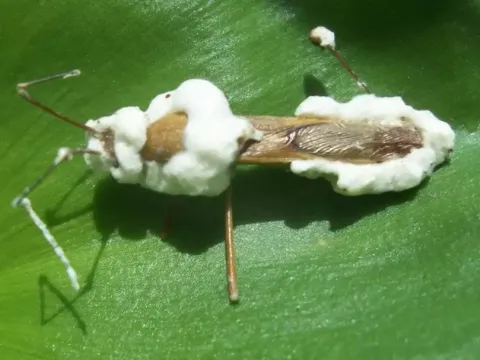
Beauveria (Beauveria bassiana) is a beneficial entomopathogenic fungus widely recognized in agronomy, rather than a plant pathogen. It serves as a vital component in modern biological pest control strategies.
What the section contains
Beauveria
The fungus infects insects by attaching to their cuticle. Once it penetrates the exoskeleton, the mycelium begins to colonize the interior, consuming nutrients and eventually causing the death of the host organism.
This biological agent has a broad host range, effectively targeting pests such as beetles, moths, whiteflies, and various soil-dwelling insects that typically cause significant crop damage.
The entomopathogenic action involves the production of secondary metabolites and toxins, including beauvericin, which facilitate the rapid destruction of the host's physiological functions.
Because it is a natural soil inhabitant in many regions, Beauveria bassiana can persist in the environment, providing long-term suppression of insect populations if proper conditions are maintained.
Successful infection of insect hosts by Beauveria requires specific environmental conditions, with humidity levels above 70-80% being the most critical factor for spore germination.
The ideal temperature range for fungal development is between +18 and +28 degrees Celsius. Extreme cold or heat significantly reduces the efficacy and growth rate of the fungus.
Exposure to direct sunlight (UV radiation) is detrimental to the spores. Consequently, field applications should be performed during the evening or early morning to ensure maximum survival of the fungal inoculum.
Adequate soil moisture is essential for the effectiveness of soil-applied formulations, as it allows the conidia to move and interact with the larvae of pests hiding in the ground.
Strategic timing of applications, guided by weather forecasts and pest monitoring, is essential to match the fungus's activity peaks with the life cycles of the targeted insects.
Beauveria is not a plant disease and poses no threat to crop health. On the contrary, it protects plants by mitigating the impact of herbivorous insects that would otherwise destroy foliage and fruits.
The primary benefit of using this fungus is the significant reduction in damage caused by pests, leading to better crop yields and higher quality harvests without the need for harmful chemicals.
Unlike conventional chemical insecticides, this biological agent does not lead to pest resistance, making it an excellent long-term tool for sustainable integrated pest management (IPM).
Infected insects stop feeding shortly after exposure to the fungus, which effectively minimizes the immediate physical damage to plants even before the insect fully succumbs to the disease.
The safety profile of Beauveria for non-target organisms, including beneficial insects, humans, and domestic animals, makes it a preferred choice for ecologically responsible farming.
The control method involves the application of specialized bioinsecticides through foliar spraying or direct soil application, depending on the specific life stage of the pest being targeted.
To maximize coverage and spore adhesion, it is recommended to use surfactants or spreaders in the spray solution, ensuring the inoculum reaches the hidden areas of the plants.
Monitoring programs are vital to ensure applications are timed early in the pest outbreak phase, ensuring that the fungus has enough time to proliferate throughout the insect population.
- Apply during low-light hours to protect spores from UV damage.
- Maintain optimal moisture levels in the canopy and soil.
- Use high-quality formulated products with known spore counts.
- Integrate with other biological control methods for maximum results.
Preventive strategies include optimizing soil health and minimizing the use of synthetic pesticides, which helps sustain natural reservoirs of this beneficial fungus within the field environment.