
Naucoria
Naucoria
Naucoria is a genus of fungi within the Strophariaceae family. In a phytopathological context, this fungus acts primarily as a saprotroph, but under specific environmental conditions, it can exhibit facultative parasitic properties, infecting weakened broad-leaved tree species.
What the section contains
Naucoria
The disease is triggered by the development of the fungus's fruiting bodies on roots, root collars, or decaying wood. The fungal mycelium actively penetrates tree tissues through mechanical wounds or necrotic bark areas.
The biology of the genus Naucoria is closely linked to the degradation of lignin and cellulose. The fungus secretes enzymes that break down wood structure, effectively shifting the tree from a healthy state to a damaged one.
Unlike specialized parasites, Naucoria frequently colonizes areas where necrosis has already initiated. Nevertheless, widespread fungal growth can accelerate the demise of a tree already compromised by adverse external factors.
Reproduction occurs via spores, which are dispersed by wind or insects. When these spores encounter a suitable environment with high humidity, they germinate, creating new infection epicenters within forests or parks.
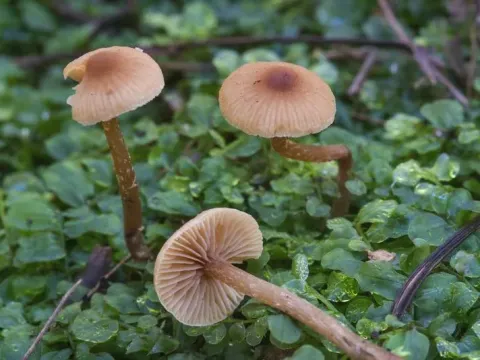
The primary symptom of a Naucoria infestation is the emergence of small to medium-sized fruiting bodies at the base of the trunk or on exposed roots. The mushroom caps typically display a reddish-brown or yellowish-brown hue.
The external appearance of the tree may remain satisfactory for a long period during the initial stages. However, close inspection reveals localized softening of the bark and discoloration of the wood at the site of mycelial contact.
As the infection progresses, symptoms often include premature leaf drop and the drying of individual branches in the canopy. This indicates severe disruption of the tree's vascular system due to root damage.
In later stages, the wood structure becomes brittle, acquires a fibrous appearance, and emits a characteristic fungal odor. In areas of active growth, black rhizomorphs or dense fungal tissue are frequently detected.
The presence of fruiting bodies in the root zone is a clear indicator that the tree is suffering from decay. Even if the canopy appears green, the internal tissues are already undergoing structural degradation due to fungal enzymes.
High humidity in the soil and the near-surface air layer is the key factor driving the development of Naucoria. The fungus prefers shaded, moist areas where aeration is limited, creating a consistent microclimate suitable for spore germination.
Optimal temperatures for mycelial growth fall within the moderate range typical of forest ecosystems. Sudden temperature shifts and prolonged rainfall contribute to the mass emergence of fruiting bodies on the surface.
Naucoria is particularly aggressive toward trees weakened by other stressors, such as nutrient deficiencies, pest damage, or physical injuries to the bark and root system.
Abundant plant litter and woody debris provide an ideal substrate for the accumulation of infectious inoculum. Untended forest stands with high planting density are at greater risk of fungal spread.
Older trees with compromised root systems serve as primary targets. If spore concentration in the soil is high, infection can easily occur through micro-cracks in the root collar zone.
The primary danger lies in the promotion of root and stem decay, which significantly reduces the longevity of forest stands. Trees infected with Naucoria become structurally compromised and more susceptible to windthrow and snow breakage.
The gradual destruction of the root system leads to decreased growth and overall plant vitality. This negatively impacts the aesthetic value of trees in public parks and their industrial utility in forestry operations.
Infected specimens can act as a reservoir of infection for healthy neighboring trees, creating a threat of localized dieback across entire forest patches.
In infected broad-leaved species, metabolic processes are severely disrupted. Because the fungus degrades tissues responsible for water and nutrient transport, the tree begins to suffer from chronic nutrient starvation.
In the long term, without proactive sanitary measures, Naucoria contributes to the degradation of biodiversity within forest ecosystems, gradually replacing high-value species with less resilient alternatives.
The primary control measure is the rigorous maintenance of sanitary conditions within forest stands. Regular removal of fallen deadwood and the extraction of decaying stumps significantly lower the concentration of fungal spores.
It is essential to avoid mechanical bark damage during forestry or maintenance operations. Any wound on a trunk serves as an entry point for the spores of not only Naucoria but also other opportunistic pathogens.
Regular monitoring of forest stands is recommended to prevent disease spread. If fruiting bodies are discovered on the roots, the affected tree should be isolated or removed if the level of wood decay is severe.
Improving soil aeration and implementing drainage systems help reduce excess moisture, creating an environment less hospitable to Naucoria mycelium growth.
- Thinning of overly dense forest stands.
- Timely cleaning and disinfection of trunk wounds.
- Application of balanced fertilizers to improve tree resistance.
- Use of fungicides when necessary (strictly in nursery settings).