
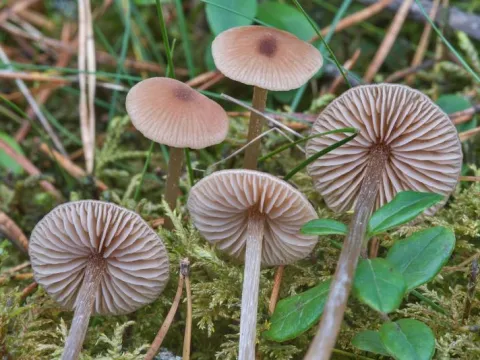
Naucoria alnetorum
Naucoria alnetorum
The primary symptom of infection by this fungus is the appearance of fruiting bodies on the bark or at the base of alder trees. These small, cap-shaped structures serve as a visual indicator of internal wood decay processes.
What the section contains
Naucoria alnetorum
The fungus typically colonizes decaying or weakened sections of the bark where moisture tends to accumulate. Over time, the mycelium spreads, causing noticeable discoloration and softening of the wood tissue, which is a sign of advanced structural degradation.
During humid weather conditions, a layer of spores may become visible around the infection site. This powdery substance acts as a source of dispersal, allowing the pathogen to spread via wind or water droplets to adjacent trees.
As the infection progresses, the structural integrity of the wood is compromised, turning it brittle. This significantly increases the risk of windthrow and the premature death of weakened individual trees within the forest stand.
Regular inspections of the tree base during late summer and autumn are essential for detecting the fruiting bodies. Early identification of these visual symptoms is crucial for preventing the fungus from establishing deep into the tree structure.
The causative agent is the fungus Naucoria alnetorum, which belongs to the family Strophariaceae. It is classified as a wood-decay fungus that primarily targets alder trees in humid environments.
The mycelium of the fungus penetrates the heartwood and sapwood, where it secretes enzymes that break down lignin and cellulose. By consuming these components, the fungus extracts nutrients, which results in the gradual rot of the tree's internal anatomy.
The reproductive cycle involves the production of basidiospores within the fruiting bodies. These spores are highly resistant and can travel long distances, waiting for the right environmental conditions to germinate on a suitable host.
This pathogen is highly adaptable to the ecological niche of alder swamps and riparian forests. It can persist for long periods in woody debris, maintaining a reservoir of infection even when living trees are not immediately available.
From a phytopathological perspective, the fungus is considered a facultative parasite. It often exploits physical wounds or physiological weaknesses in living trees, transitioning from a saprophytic existence to an active decay-causing state.
The development of the fungus is strictly tied to high humidity levels and moisture content in the soil. Alder ecosystems, such as wetlands and floodplains, provide the perfect microclimate for the survival of the pathogen.
Optimal temperatures for the growth of the fungus and the development of fruiting bodies range between +15 and +22 degrees Celsius. While extreme drought may pause its activity, the fungus remains alive and continues to decay the wood once moisture returns.
Mechanical damage to the bark, such as frost cracks, animal grazing, or logging injuries, creates entry points for the pathogen. Once the protective barrier of the bark is broken, the tree becomes highly vulnerable to colonization.
Dense, poorly managed stands with limited air circulation provide a stable, damp environment that accelerates the spread of spores. In such stands, the infection rate is noticeably higher compared to well-spaced, managed forests.
Poor hydrological management, such as stagnant water in the root zone, causes physiological stress in alder trees. This stress reduces the tree's natural defense mechanisms, making it more susceptible to fungal attacks.
The primary damage caused by the fungus is the degradation of timber quality, rendering the wood unsuitable for industrial use. This leads to substantial economic losses in forestry operations.
The biological impact includes the disruption of the tree's vascular system, which hinders the transport of water and nutrients. Consequently, this results in crown dieback and a significant reduction in biomass production.
Widespread infection can alter the composition of forest stands and lead to the collapse of local ecosystems. Weakened trees create hazards for forest workers and can initiate domino-effect blowdown events during storms.
For ornamental alder trees, the presence of the fungus is a serious aesthetic issue. Infected specimens often require removal to prevent the spread of spores to healthy trees in the vicinity.
The financial burden on forest management is high, as it requires the costs of sanitary felling, removal of diseased biomass, and long-term monitoring of the remaining forest stand.
The most effective management strategy is the implementation of consistent sanitary felling programs. Identifying and removing infected or dead wood is vital to minimize the local spore load.
Preventing physical damage to trees during logging and routine maintenance is a critical preventive measure. Intact bark acts as the primary defense against the ingress of wood-decay fungi.
Disinfecting tools after working on infected trees is mandatory to prevent the mechanical transmission of the pathogen to healthy areas. This simple practice significantly lowers the risk of new infection clusters.
Maintaining proper drainage and ensuring adequate spacing between trees promotes better airflow. These ecological adjustments create a less favorable environment for the proliferation of the fungus.
- Execution of regular sanitary thinning.
- Monitoring of trunk health in riparian zones.
- Disinfection of forestry equipment.
- Improvement of drainage to prevent soil waterlogging.