
Naucoria bohemica
Naucoria bohemica
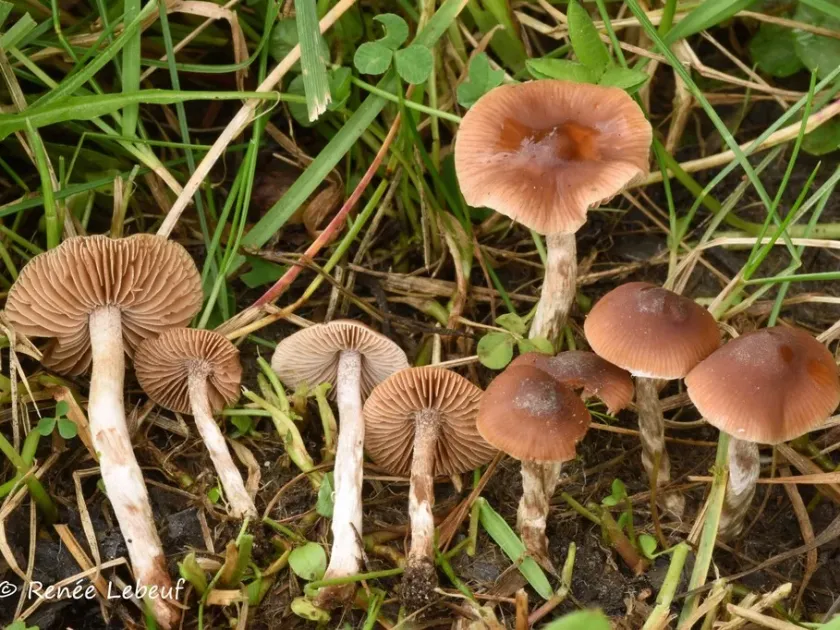
Description
Symptoms
The most prominent sign of infection is the emergence of small fruiting bodies (mushrooms) on the trunk or large branches. These typically appear in clustered groups at the base of the tree or near bark fissures.
The internal wood tissue undergoes a visible change in texture and color, often appearing brownish or bleached as the structural integrity of the lignin is compromised, resulting in a soft or brittle consistency.
Foliage on the affected side of the tree often exhibits premature yellowing or chlorosis, as the fungal growth disrupts the plant's vascular system, hindering the transport of water and nutrients.
Bark in the colonized area may exhibit cracking or localized peeling. Beneath these layers, one might observe a white or yellowish mycelial mat spreading throughout the sapwood or heartwood.
In humid conditions, the wood tissue near the site of infection may emit a distinct musty or earthy odor, signaling the advanced decomposition of internal plant cells by fungal enzymes.
Pathogen
Naucoria bohemica is a fungal species belonging to the Strophariaceae family. In agronomic and forestry studies, it is characterized as an opportunistic pathogen capable of colonizing the wood of susceptible or weakened plant species.
The fungus functions primarily as a wood-decaying organism. It utilizes specialized enzymes to break down cellulose and lignin, which are the main structural components of plant cell walls, leading to internal degradation.
The life cycle of this pathogen involves the formation of mycelium that permeates the woody tissue, followed by the development of ephemeral fruiting bodies on the surface of the bark when environmental conditions are conducive.
While often found on decaying plant debris, Naucoria bohemica can establish itself in living trees through wounds, frost cracks, or sites damaged by insect activity, acting as a secondary invasive agent.
The resilience of its spores allows the fungus to persist in the environment for extended periods, waiting for optimal moisture and temperature conditions to initiate a new infection cycle.
Conditions for development
High humidity and moisture are the primary drivers for the development of Naucoria bohemica. Extended periods of rainy weather combined with mild temperatures create an ideal environment for spore germination.
Trees that are under stress—whether due to drought, harsh winter freezes, or lack of proper nutrients—are significantly more susceptible to colonization by this pathogen than vigorous, healthy specimens.
Poorly ventilated planting areas with dense canopy cover trap moisture and humidity. This creates a microclimate that facilitates the rapid spread of spores from one plant to another.
Mechanical injuries, such as unsealed pruning wounds, broken branches, or lawnmower damage, provide easy entry points for the fungus, bypassing the tree’s natural defensive barriers.
Poor sanitation, such as leaving fallen branches or dead wood on the ground near valuable trees, increases the overall inoculum load in the garden or forest, heightening the risk of infection.
Why it matters
The primary concern regarding this pathogen is the structural instability it causes. As the internal wood decays, the tree loses its mechanical strength, increasing the risk of breakage or windthrow.
The disruption of the vascular system leads to a gradual decline in the overall vigor of the tree. This manifests as reduced growth rates, sparse foliage, and a general loss of ornamental value.
In forestry, the presence of wood rot significantly reduces the economic value of timber, rendering the wood unfit for high-quality carpentry or construction purposes.
Without intervention, prolonged infection can lead to the eventual death of the tree. This is particularly problematic for rare or mature specimen trees in ornamental landscapes.
The infected tree also serves as a constant source of spores, threatening the health of surrounding vegetation and increasing the maintenance burden for the entire planting site.
Protection
Management of Naucoria bohemica centers on sanitation and the prevention of injury. All dead or diseased wood should be promptly pruned and safely removed from the site to minimize the spread of spores.
All pruning cuts and accidental wounds should be treated with appropriate sealants or fungicides to protect the exposed wood from opportunistic fungal colonization.
Improving the tree's overall health through proper irrigation, fertilization, and site management is essential to enable the plant to maintain its natural defense mechanisms against infections.
Chemical control using systemic fungicides may be considered for high-value trees or in high-pressure environments, ideally applied during the early stages of a suspected infection.
- Perform regular inspections of trunks and branches for fruiting bodies.
- Avoid mechanical damage to bark during landscaping or maintenance tasks.
- Thin out dense crowns to improve airflow and reduce humidity around the trunk.
- Sanitize tools with alcohol or bleach after contact with potentially infected wood.
- Remove and destroy all fungal debris to prevent spore dispersal.
Discussion
No discussions yet — be the first.