
Naucoria striatula
Naucoria striatula
Description
Symptoms
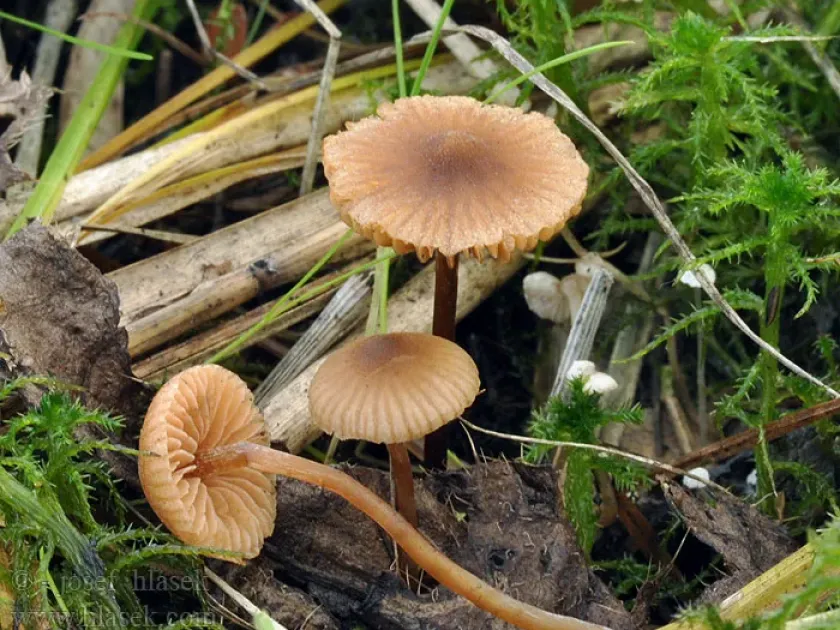
The most visible indicator of infection is the emergence of small, brownish mushrooms in clusters, typically near bark cracks or limb unions.
The caps of the fungi exhibit clear radial striations (lines) stretching from the center to the edge, making them easily distinguishable from other species.
Infected wood tissue often appears discolored, becoming soft, spongy, or brittle, which significantly reduces the structural strength of the affected branch.
Bark surfaces near the site of infection may exhibit dark, sunken lesions or irregular patterns of necrosis where the mycelium is most active.
As the disease advances, the host tree may show signs of premature foliage yellowing, wilting, or dieback of the specific limb hosting the fungal colony.
Pathogen
Naucoria striatula is a basidiomycetous fungus within the Strophariaceae family, primarily recognized for its role as a wood-decaying organism.
The fungus acts as a saprotroph, but in agricultural settings, it can exploit wounds or necrotic tissues on weakened woody plants, behaving as a facultative parasite.
Its mycelium penetrates the lignin and cellulose structure of the wood, causing a progressive decay that compromises the plant's structural integrity.
The species is identified by its small, brownish, agaricoid fruit bodies which feature a characteristically striate margin on the pileus.
Understanding its lifecycle as a pathogen is crucial, as the fungus relies on environmental moisture to distribute its spores effectively across the canopy.
Conditions for development
High humidity and consistent rainfall are the primary catalysts for the germination and colonization of Naucoria striatula in woody tissues.
The fungus thrives in cool to moderate temperatures, typically ranging from 15 to 22 degrees Celsius, which are ideal for its metabolic activities.
Poor ventilation and dense planting schemes create microclimates that retain moisture, allowing the fungus to establish itself on bark or damp wood.
Physical injuries, such as broken branches, improper pruning cuts, or frost cracks, provide the necessary entry points for spores to infect the tree.
Neglected gardens with significant accumulation of woody debris and leaf litter serve as a perpetual reservoir for the fungus to multiply and spread.
Why it matters
The main harm inflicted by this fungus is the internal decomposition of the tree's skeletal structure, potentially leading to branch failure and structural instability.
By interfering with the vascular system of the wood, the pathogen limits the transportation of water and nutrients to the upper parts of the plant.
Chronic infestation places the tree under constant biological stress, making it susceptible to secondary infections by bacteria or other more aggressive pathogens.
The aesthetic and productive value of orchard trees is significantly diminished as branches begin to dry out and die off over several growing seasons.
In severe cases, the tree's health declines to a point where it can no longer support its own weight, posing a risk of collapse during high wind events.
Protection
Sanitation is the cornerstone of management; all dead or visibly decaying wood must be pruned back to healthy tissue and removed from the site.
Wounds caused by pruning should be treated with appropriate sealants or wound paints to prevent airborne spores from entering the inner wood.
Improving the health of the host plant through proper fertilization and stress management helps the tree produce natural defensive compounds against decay.
Regular maintenance of the garden, including the removal of stumps and debris, significantly lowers the potential spore load in the immediate area.
- Use copper-based fungicides for dormant season protection.
- Ensure good air circulation within the tree crown.
- Regularly inspect the trunk and branches for cracks.
Discussion
No discussions yet — be the first.