
Naucoria escharioides
Naucoria escharioides
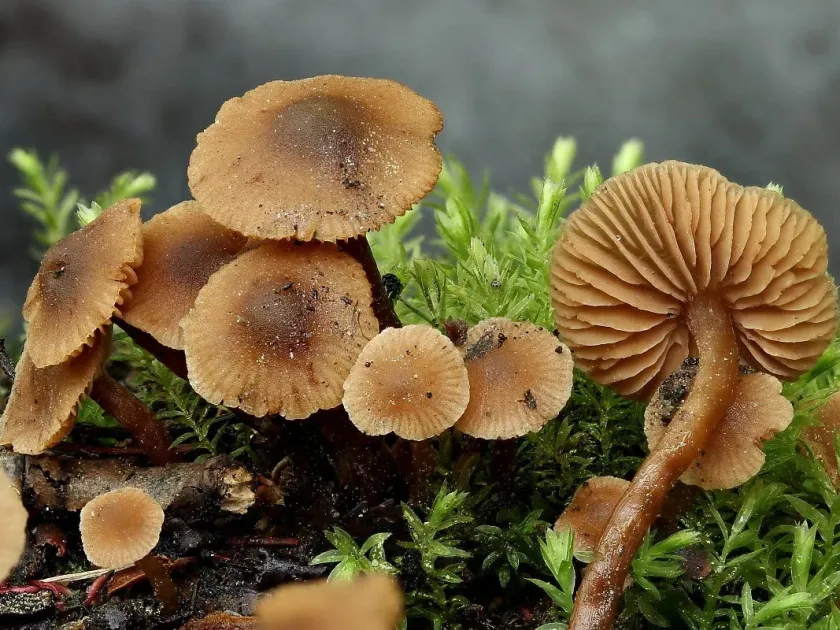
Description
Pathogen
Naucoria escharioides is a species of basidiomycete fungus belonging to the Hymenogastraceae family. Within agronomic and forestry contexts, this organism is primarily identified as a saprotroph that can act as a facultative pathogen under specific conditions.
The pathogen is a xylotrophic fungus capable of degrading lignin and cellulose-rich plant tissues. Its biological adaptation allows it to colonize woody substrates efficiently, especially in high-moisture environments.
The mycelium penetrates deep into the plant tissue, releasing specialized enzymes that break down complex organic polymers. This capability enables the fungus to survive in substrates that are often resistant to other microbial degraders.
The life cycle involves the formation of fruiting bodies, typically appearing during autumn. Spores are released into the environment, spreading via wind or water droplets, which facilitates the colonization of new habitats.
Modern taxonomy classifies this species as part of a group involved in forest litter and wood decay. While it plays a functional role in nature, its presence in managed orchards or gardens often indicates poor sanitation or plant stress.
Conditions for development
The development of Naucoria escharioides is strictly governed by environmental moisture levels. The fungus thrives in shaded, highly humid areas where natural drying processes are inhibited by poor air circulation.
The optimal temperature range for vegetative growth is between +15°C and +22°C. These conditions allow the mycelium to expand rapidly, potentially encroaching on weakened ornamental or fruit-bearing plants in the vicinity.
A surplus of decaying plant matter, such as fallen branches or leaf mulch, serves as the primary reservoir for the pathogen. Poor soil aeration and waterlogged ground significantly accelerate the fungal colonization process.
Soil acidity also influences the growth potential of the fungus, as it may gain a competitive advantage in acidic conditions over beneficial soil microflora. Frequent autumn fogs provide the necessary humidity for peak spore production.
Managed ecosystems with dense canopy covers or lack of proper spacing are particularly vulnerable. High humidity and static air within such plots provide the ideal microclimate for the pathogen to establish and spread.
Why it matters
The primary harm caused by Naucoria escharioides is related to accelerated wood decay, which may negatively impact weakened plants. While it rarely infects healthy, vigorous trees, it easily exploits any entry point in stressed specimens.
The fungal activity disrupts water and nutrient transport by degrading vascular tissues, leading to gradual decline. Infected plants show symptoms of wilting, premature leaf drop, and loss of structural integrity in branches.
Infected roots or stems serve as an entry point for secondary bacterial infections, which are often more aggressive than the primary fungal colonization. This complicates recovery and may lead to the total loss of the plant.
Widespread presence of this fungus is an indicator of poor agricultural practices, specifically concerning drainage and hygiene. It highlights a breakdown in the balance of the local ecosystem within the managed site.
Economic impact is noted in nurseries or orchard settings, where plant vitality is paramount. Replacing severely affected specimens involves significant labor costs and potential loss of yield or aesthetic value.
Protection
Proactive management is the most effective defense against Naucoria escharioides. Maintaining garden hygiene by removing dead wood, fallen debris, and diseased leaf litter is essential to reduce the inoculum load.
Improving soil drainage and aeration helps create an unfavorable environment for fungal development. Regular tilling of the soil around the base of the trees and installing drainage systems can prevent the accumulation of moisture.
If symptoms of infection appear on stems, mechanical removal of the affected tissue, followed by treatment with copper-based disinfectants, is recommended to stop the progression of the mycelium.
Balanced fertilization supports host plant resistance. It is critical to provide adequate levels of potassium and phosphorus to enhance tissue durability, while avoiding excessive nitrogen, which can lead to soft, susceptible tissues.
- Apply broad-spectrum fungicides as a preventive measure in high-risk areas.
- Perform regular sanitary pruning to remove dead or dying branches.
- Maintain proper plant spacing to improve air circulation and light penetration.
Discussion
No discussions yet — be the first.