
Naucoria scolecina
Naucoria scolecina
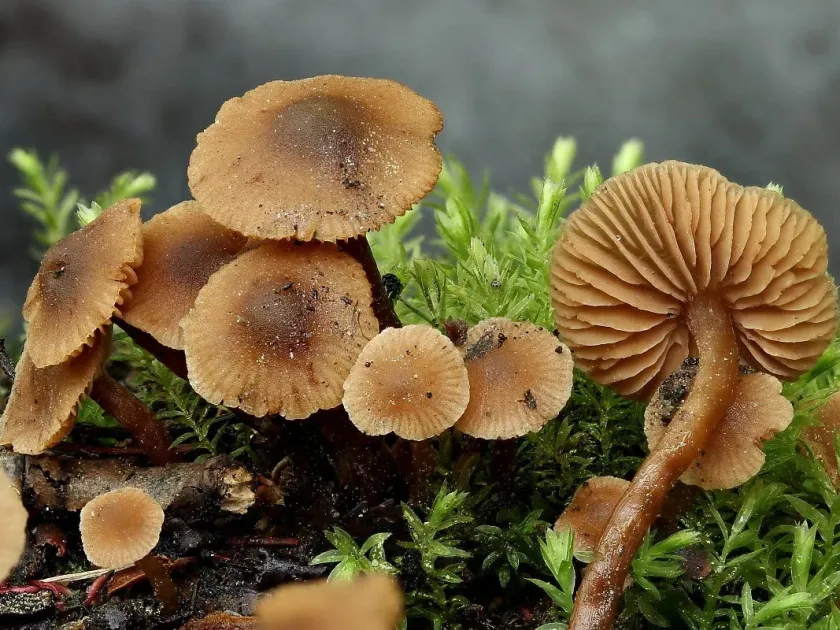
Description
Pathogen
Naucoria scolecina is a mushroom species belonging to the Hymenogastraceae family. In the field of mycology and forest pathology, it is recognized as a fungus that maintains complex relationships with alder trees, often associated with root zones and moist leaf litter.
Biologically, this organism functions primarily as a saprotroph. It plays a critical role in the decomposition of organic matter, breaking down complex plant compounds such as lignin and cellulose, which are abundant in forest floor environments.
The fungus produces fruiting bodies that are typically found on soil or highly decomposed wood. Identification is based on microscopic analysis of spores and the structural morphology of the cap and stipe, distinguishing it from other members of the Naucoria genus.
Reproduction is facilitated through airborne spores that germinate in favorable, damp conditions. The resulting mycelium colonizes the substrate, playing an essential part in the nutrient recycling processes within the forest biotope.
While not categorized as a primary aggressive pathogen, Naucoria scolecina can colonize weakened tree tissues as a secondary invader, particularly when environmental stressors have compromised the host's vitality.
Conditions for development
The development of Naucoria scolecina is strictly dependent on high moisture levels. It flourishes in damp environments, such as wetland forests, riparian zones, and areas where water stagnation occurs consistently.
Optimal temperatures for mycelial growth and spore production range between 15°C and 22°C. These conditions coincide with seasonal rainfall, which triggers the emergence of the characteristic fruiting bodies on the ground.
Soil acidity plays a secondary role, as the fungus is well-adapted to the slightly acidic conditions typically found in alder-dominated forests. A thick layer of organic mulch serves as a vital resource for maintaining the colony.
Poor ventilation and high humidity under a dense tree canopy create the necessary microclimate for the fungus to persist. In such settings, the mycelium can cover large areas of the soil surface.
The accumulation of leaf litter and woody debris provides the base nutrition for the fungus. Without the presence of this decaying organic material, the population density of the species significantly decreases.
Why it matters
In healthy forests, Naucoria scolecina is considered beneficial as a decomposer. However, in sensitive plantation areas or tree nurseries, its presence can indicate poor soil aeration or drainage issues that may negatively affect young seedlings.
The primary concern arises when the fungus competes with the root system for moisture or nutrients, particularly in stressed or newly planted trees. This can exacerbate the effects of other primary pathogens or environmental stresses.
If trees have suffered damage from extreme weather or insects, the fungus may accelerate the decay of the root collar or damaged roots. While this is a secondary effect, it contributes to the overall loss of tree structural integrity.
Large-scale growth in a confined nursery space may lead to an imbalance in the soil microbiome, potentially hindering the natural mycorrhizal associations required for optimal tree growth.
Economically, the harm is usually indirect. It manifests as a degradation of the site's environmental health, requiring increased maintenance effort to ensure the long-term success of the plantation.
Protection
Effective management begins with maintaining high site hygiene. Removing excess woody debris and thick organic mulch reduces the available food source for the fungus, thereby limiting its population density.
Improving soil drainage is the most effective cultural control method. By preventing waterlogging, the environmental conditions are shifted away from the preferences of Naucoria scolecina, effectively suppressing its spread.
In nurseries, ensuring proper plant spacing and ventilation can help lower the surface humidity. This simple adjustment often prevents the massive formation of fruiting bodies during wet seasons.
Chemical control is rarely necessary for this saprotrophic species. If intervention is required, broad-spectrum fungicides may be applied, though focus should primarily be on improving the cultural conditions of the forest floor.
- Regular removal of organic debris and fallen branches.
- Enhancement of site drainage to mitigate water stagnation.
- Strategic thinning of trees to improve air circulation.
- Periodic monitoring of tree root health in nursery settings.
Discussion
No discussions yet — be the first.