
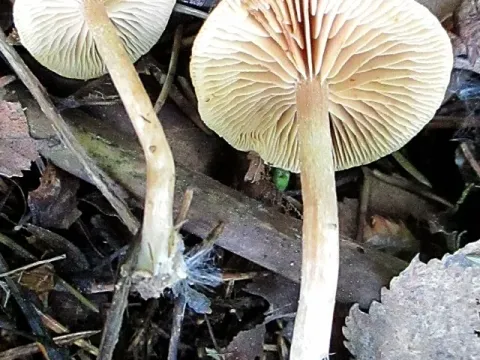
Naucoria subconspersa
Naucoria subconspersa
Naucoria subconspersa is a mushroom species belonging to the Strophariaceae family. In the context of forestry and plant health, this fungus acts as a facultative parasite, often affecting the root systems of weakened trees.
What the section contains
Naucoria subconspersa
The mycelium of the fungus colonizes the root zone and organic litter. It produces enzymes capable of decomposing wood components, which, while beneficial for soil nutrient cycling, becomes detrimental when living plant tissues are involved.
The fungus produces small fruiting bodies, typically appearing in clusters on damp, organic-rich substrates. These bodies release spores that act as the primary means of long-distance dispersal via wind and water movement.
Biological studies suggest a close association with the root systems of certain trees, such as alder. This symbiotic-to-parasitic transition is a key point of interest for forest pathologists working in nursery environments.
Due to ongoing taxonomic revisions, the species is sometimes classified within the genus Alnicola, reflecting its strong preference for specific woody hosts and ecological niches found in forest soils.
High moisture levels are the most critical factor for the development of the fungus. Stagnant water around the root zone creates the perfect anaerobic conditions for the mycelium to thrive and colonize roots.
The fungus prefers temperate climates with an optimal temperature range of +15°C to +22°C. While it may go dormant in cold weather, it remains viable in the soil for several years.
An abundance of forest litter, fallen branches, and decaying stumps serves as a reservoir for the pathogen. In areas where sanitation is poor, the fungal population can build up significantly.
Soil pH levels influence the rate of infection, with neutral to slightly acidic soils favoring the growth of Naucoria species. Such soils are commonly found in natural forest clearings.
Physical compaction of the soil, often caused by heavy forestry machinery, inhibits healthy root growth and promotes the accumulation of moisture, which directly assists the pathogen in reaching the tree roots.
The primary harm caused by this fungus is root rot in young forest saplings. By damaging the fine root hairs, the fungus prevents the plant from absorbing essential water and nutrients.
Visible symptoms include chlorosis of the foliage, stunted vertical growth, and overall wilting. If left untreated, the saplings may experience total systemic failure and eventual mortality.
Once the roots are weakened, the plant becomes highly susceptible to secondary infections by more aggressive pathogens, complicating the recovery process significantly.
Economic losses in forestry nurseries can be substantial, as entire batches of saplings may become unsuitable for outplanting due to poor root development and low vigor caused by the fungus.
In mature stands, the presence of root rot decreases the structural integrity of the root system, making trees more vulnerable to windthrow during storms, which leads to unpredictable timber damage.
The most effective strategy is the proper site selection for nurseries. Areas with good drainage and minimal historical evidence of fungal outbreaks should be prioritized for cultivation.
Sanitation programs are crucial for long-term management. Removing old stumps, logging debris, and infected plant material eliminates the primary food source that supports the fungal population.
When an outbreak occurs, localized application of fungicides is recommended. Chemicals containing copper or systemic triazoles have shown success in suppressing the mycelial growth in the root zone.
Promoting general plant health through balanced fertilization and appropriate spacing allows trees to develop more robust root systems, which are more resilient to minor fungal infestations.
Ongoing monitoring of sapling health is vital for early detection. If fruiting bodies are spotted, immediate isolation of the area is necessary to prevent spores from spreading to healthy rows.