
Alder leaf spot
Linospora ceuthocarpa
The disease is caused by the ascomycete fungus Linospora ceuthocarpa. It is a specialized pathogen that primarily targets species of alder (Alnus) in various forest and landscape ecosystems.
What the section contains
Alder leaf spot
The fungus overwinters in fallen leaves, where it develops its sexual reproductive structures known as perithecia. These structures remain dormant during the cold months, protected by the leaf litter.
With the arrival of spring rains and warmer weather, the perithecia release ascospores. These spores are dispersed by wind and rain splashes to new, developing alder leaves, initiating the primary infection cycle.
Upon infection, the mycelium of Linospora ceuthocarpa invades the leaf tissues, gradually colonizing the mesophyll. This process compromises the physiological functions of the leaves over the growing season.
The pathogen is known for its narrow host range, specifically adapting to the leaf structure of alder trees. Its life cycle is synchronized with the phenology of the host, ensuring the fungus propagates during favorable environmental conditions.
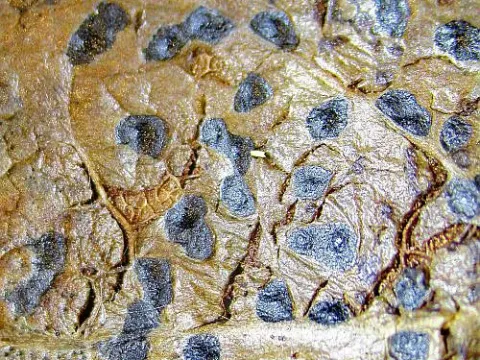
The primary symptom of alder leaf spot is the appearance of distinct, necrotic spots on the leaf blades. These lesions typically show a brown or tan color, often bordered by a darker, more defined margin.
As the disease progresses, characteristic small black spots appear in the center of the necrotic lesions. These represent the fungal fruiting bodies (perithecia) pushing through the leaf epidermis.
In cases of severe infestation, multiple spots can coalesce, covering significant portions of the leaf surface. This leads to premature chlorosis, curling, and eventually the drying out of the leaves.
Compared to other alder leaf diseases, the lesions caused by Linospora ceuthocarpa have a specific appearance due to the pattern of fruiting bodies. Affected leaves often drop prematurely from the branches.
When examining the underside of the leaf, one may observe a wrinkled or slightly raised texture in the infected areas, indicating the active development of the fungus beneath the leaf surface.
The development and spread of alder leaf spot are heavily dependent on environmental factors, particularly moisture. Periods of prolonged rainfall and high humidity are critical for infection.
Alder stands located in humid, low-lying areas or near water bodies are at the highest risk. These habitats often provide the sustained leaf wetness required for the fungus to germinate and penetrate the host.
Densely planted forests with poor air circulation are more susceptible to outbreaks. Lack of ventilation prevents foliage from drying quickly after rain, favoring the establishment of the pathogen.
A high inoculum density is maintained by the presence of unremoved infected leaf litter on the forest floor. This debris serves as the reservoir for the fungus to infect trees in subsequent years.
Host tree health also plays a role in disease incidence. Stressed, overcrowded, or nutrient-deficient trees exhibit a lower resistance threshold to fungal infections compared to healthy, vigorous specimens.
The primary damage caused by alder leaf spot is the premature defoliation of the tree. The loss of leaves significantly impairs the tree's ability to perform photosynthesis, affecting overall growth.
Annual recurrence of the disease leads to a reduced cumulative biomass and slower growth of the wood. This impact is significant in forestry, where tree productivity is a key economic factor.
Beyond growth impact, the disease makes alder trees more vulnerable to secondary infestations by pests or other pathogens that thrive on weakened plant tissues.
In urban and landscape settings, the disease significantly detracts from the aesthetic value of the trees. Early browning and thinning of the canopy are undesirable in parks and gardens.
Persistent infection can ultimately lead to branch dieback and, in extreme cases of repeated stress, can contribute to the decline and premature death of susceptible alder specimens.
Effective management begins with sanitation. Collecting and destroying fallen leaves in autumn is the most practical method to reduce the inoculum level and prevent the fungus from over-wintering.
- Thinning of dense stands to improve air circulation and sunlight penetration.
- Pruning and removing heavily infected or dead branches.
- Application of appropriate fungicides in nurseries during the early stages of disease development.
- Selecting disease-resistant alder varieties for new reforestation or planting projects.
In nurseries or high-value landscapes, fungicide sprays can be used as a preventive measure. Timing is crucial, with treatments typically applied during early leaf development to block initial infections.
Regular monitoring of the trees is essential for early detection. Identifying the disease early allows for targeted intervention, minimizing the need for extensive chemical use.
Future research is exploring the use of biological control agents and tree health management techniques to increase natural resistance to fungal pathogens in alder populations.