
Alder cytospora canker
Cytospora fugax
Description
Symptoms
The primary sign of infection is a localized change in bark color. Affected areas turn brown or reddish-brown, gradually becoming depressed relative to the surrounding healthy surface.
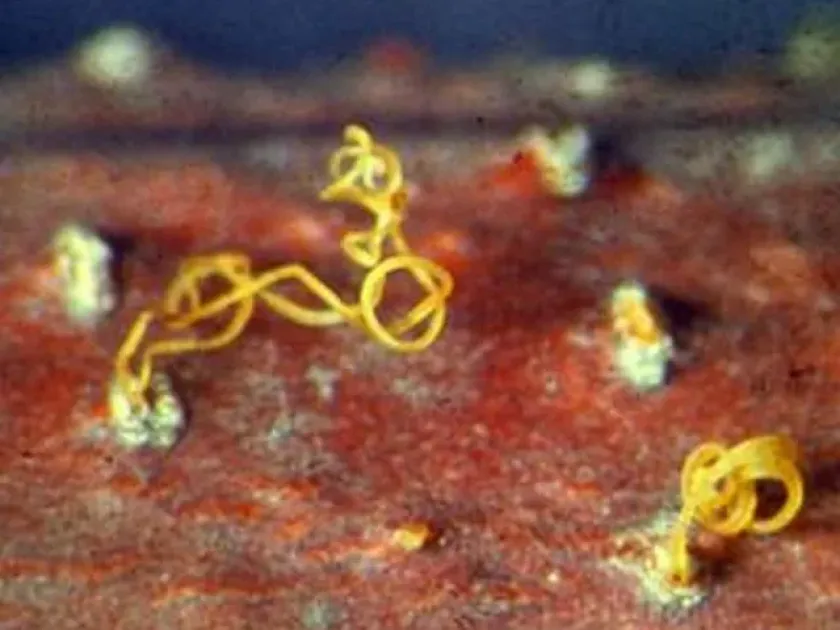
Upon close inspection of the bark, numerous small bumps can be observed — these are the maturing fruiting bodies of the fungus. In humid conditions, thin threads of yellow or orange spores may emerge from them.
The second stage of the infection is bark necrosis, which rapidly girdles the stem or branch. This leads to the cessation of sap flow and the inevitable dieback of the affected tree part.
A characteristic symptom is the peeling of bark in the infected area when subjected to mechanical force. Beneath the dead bark, fan-shaped mycelium growth is often visible.
- Yellowing and premature leaf drop on affected branches.
- Wilting and dieback of shoot tips.
- Appearance of deep cracks in necrotic areas.
- Girdling of stems in young trees.
Pathogen
The causative agent of this disease is the ascomycete fungus Cytospora fugax. This pathogen belongs to the group of parasites that cause necrotic and canker lesions on woody species, primarily attacking weakened specimens.
The fungus leads a parasitic lifestyle within the bark and cambium of alder stems and branches. It actively penetrates host tissues through mechanical wounds, frost cracks, or sunscald.
The pathogen's mycelium develops within living tissues, causing gradual necrosis. Subsequently, conidial stromata form on the affected areas, serving as a source of secondary infection throughout the growing season.
The spread of spores occurs primarily via raindrops and wind gusts. Upon landing on the bark of healthy trees, conidia germinate under favorable conditions, initiating a new cycle of the infection process.
The biological cycle of Cytospora fugax is closely linked to the physiological stress of the host tree, making this fungus a dangerous secondary pathogen in stands with compromised water or heat regimes.
Conditions for development
Development of cytospora canker is facilitated by sharp temperature fluctuations that cause frost cracks on trunks. Damaged bark becomes an ideal gateway for the infection.
A critical factor is tree weakness due to drought or waterlogging. Physiologically stressed trees cannot produce enough defensive compounds to contain the fungal mycelium.
High humidity and frequent rainfall during the spring and summer periods accelerate spore germination and the spread of the fungus across the tree crown.
Dense planting promotes the accumulation of inoculum. Poor air circulation prevents rapid bark drying after rain, creating a stable microclimate for Cytospora fugax development.
The intensity of pathogen development depends directly on the age of the stand. Both young and overmature trees are significantly more susceptible to the disease than those in their prime growth period.
Why it matters
The main damage consists of mass branch dieback, which leads to crown deformation and the loss of decorative or commercial timber value.
In cases where the stem is infected, the disease progresses until the tree dies entirely, posing a significant risk in forest stands and urban park areas.
Necrotic processes create entry points for stem-boring pests, such as bark beetles and wood borers, which accelerate the tree's decline.
Economic losses arise from the need to harvest deadwood and the costs associated with conducting sanitary and maintenance operations in forestry management.
The disease reduces the overall resilience of alder stands to other environmental stressors, including entomological and phytopathological threats.
Protection
The primary control measure is agronomic management aimed at maintaining high tree vitality. Timely fertilization and irrigation help boost the alder's immune system.
Regular sanitary pruning is mandatory. All dead and infected branches must be removed, cutting into healthy tissue, followed by the mandatory disinfection of the cut surfaces.
For the disinfection of wounds and cuts, copper sulfate solutions or specialized horticultural sealants are applied to prevent fungal spores from penetrating open tissues.
In forest park areas, selective sanitary logging is recommended. Removing infected trees reduces the overall infectious potential within the stand.
The use of chemical fungicides is effective only during the early stages. Preventive spraying with Bordeaux mixture in the early spring, before bud break, helps suppress primary infection.
Discussion
No discussions yet — be the first.