
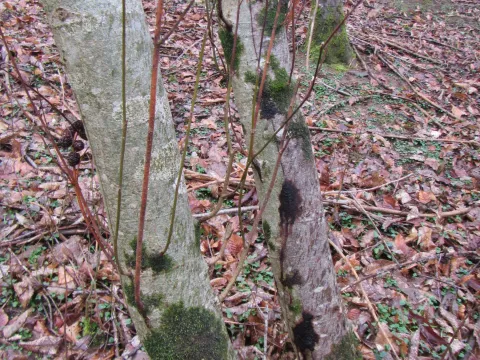
Alder phytophthora
Phytophthora lacustris
The causative agent of this disease is the oomycete Phytophthora lacustris, which is recognized as a significant pathogen affecting various woody plant species.
What the section contains
Alder phytophthora
This microorganism is highly adapted to aquatic environments, possessing motile zoospores that can navigate through water and saturated soil to locate host roots.
The pathogen is frequently found in river ecosystems and wetlands, where it persists in the soil and water sediment, awaiting favorable conditions for infection.
Phytophthora lacustris belongs to a complex group of related species capable of hybridization, which enhances its biological fitness and environmental adaptability.
The organism infects the tree through its root system or collar, leading to systemic disruption of water transport and nutrients, eventually causing tree mortality.
A primary diagnostic sign is the formation of necrotic lesions on the bark at the base of the trunk, often accompanied by the bleeding of dark fluid.
The canopy of infected trees shows signs of decline, including smaller, chlorotic leaves and premature senescence, leading to thin and sparse crown foliage.
Exposing the cambium layer beneath the lesion reveals dark, reddish-brown discoloration, which indicates the internal advancement of the pathogenic infection.
Dieback of branches (crown dieback) occurs as the root system loses its ability to supply necessary water and nutrients to the upper parts of the tree.
Underground, the root system shows severe decay, with a noticeable loss of fine feeder roots, which further destabilizes the tree's health and physical structure.
The disease development is heavily influenced by hydrological conditions, with high soil moisture and seasonal flooding being primary drivers of infection.
Warm temperatures in aquatic environments facilitate the rapid release and movement of zoospores, significantly increasing the probability of root infection.
Human activities, such as disrupting natural drainage patterns or riverbank modifications, create stagnant water conditions that favor the pathogen's spread.
Physical injuries to the lower trunk and root zone provide entry points for the oomycete, making healthy trees vulnerable to rapid colonization.
High planting density in prone areas can accelerate the spread of the pathogen, as the zoospores move easily through the soil-water matrix between adjacent trees.
Alder phytophthora poses a major threat to riparian ecosystems, as it directly impacts the alder populations that stabilize riverbanks and control erosion.
The decline of alder stands reduces the biodiversity of the local ecosystem and alters the hydrological regulation of the surrounding landscape.
Economic losses are substantial in forestry, as the disease diminishes timber quality and destroys nursery stock, leading to long-term regeneration problems.
The mortality of mature trees creates gaps in the canopy, which can lead to invasive species colonization and loss of habitat for local fauna.
By weakening the trees, the pathogen also increases susceptibility to secondary pests and pathogens that further degrade the overall forest stand health.
Strict biosecurity and quarantine measures in nurseries are essential to prevent the movement of contaminated soil and infected plant material to new locations.
Implementing site-specific drainage solutions helps to manage soil moisture levels and reduces the period of saturation necessary for P. lacustris activity.
Sanitation practices, including the removal and destruction of infected individuals, are critical to reducing the inoculum pressure within a forest stand.
In high-value areas or nurseries, the application of targeted chemical fungicides (oomyceticides) can provide temporary protection during high-risk seasons.
Long-term disease management relies on restoring natural riparian health and choosing resistant species for reforestation in areas known to be infested.