
Silver leaf disease
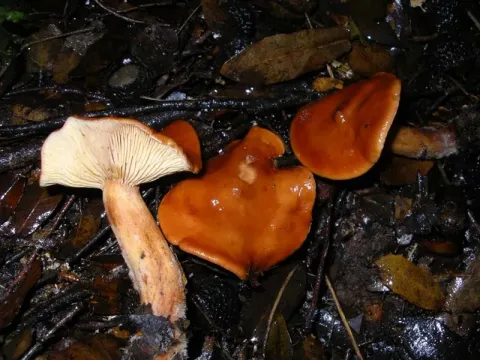
Lactarius
The primary symptom of Silver leaf disease is the distinct silvery or metallic sheen that appears on the leaves. This happens because the fungal toxins separate the leaf cuticle from the underlying epidermal cells, creating an air space that reflects light.
What the section contains
Silver leaf disease
Affected leaves eventually become brittle and curl at the edges. In severe cases, the foliage may drop prematurely, significantly weakening the tree's ability to photosynthesize and store energy for the subsequent growing season.
Fruiting bodies of the fungus appear as tough, leathery, purple-brown brackets on the bark of dead or severely infected branches. These structures release millions of microscopic spores into the air, especially during wet and humid weather conditions.
If you cut a branch affected by silver leaf, you will notice a dark, brownish discoloration in the center of the wood. This heartwood staining indicates the presence of the fungal mycelium colonizing the vascular system of the tree.
Over time, the affected tree shows signs of general decline, including reduced shoot growth and sparse canopy. Without intervention, the tree will die gradually as the fungus spreads deeper into the trunk and root system.
The disease is caused by the fungus Stereum purpureum (also known as the silver leaf fungus). It is a basidiomycete that enters the tree through wounds in the bark, such as pruning cuts, frost cracks, or damage caused by pests and machinery.
The fungus is a wood-rotting parasite that thrives in the xylem of woody plants. It secretes specialized metabolites that act as systemic toxins, causing the characteristic silvering of leaves far from the actual site of the fungal colonization.
Silver leaf disease is highly dependent on environmental conditions. High humidity and rainfall are critical for the production and release of fungal spores. Infection is most likely to occur when spores land on fresh wounds during wet autumn or winter months.
Pruning during rainy weather creates ideal conditions for the spores to germinate and infect the tree. Trees that are already stressed due to poor soil conditions, drought, or lack of proper nutrients are more susceptible to the infection.
This disease poses a severe threat to a wide range of fruit trees, particularly plums, cherries, apples, and pears. In commercial orchards, it can result in the rapid loss of high-value trees, leading to significant economic impacts.
The disease is progressive and difficult to cure once the fungus has reached the main trunk. It ruins the structural integrity of the wood, making branches prone to snapping under the weight of fruit or during heavy wind storms.
Preventative pruning is the most effective management strategy. Always prune trees during dry, sunny weather in late summer when the tree's natural defense mechanisms are more active and the spore pressure of the fungus is lower.
Any branch showing signs of silvering must be removed well below the site of infection. Disinfect pruning tools with a bleach solution or alcohol between cuts to prevent cross-contamination. Seal all large wounds with a protective wound dressing to prevent entry points for new spores.