
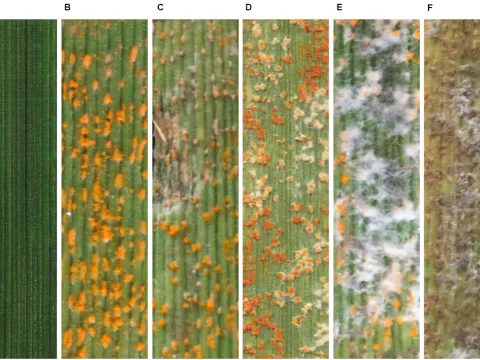
Simplicillium infection
Simplicillium
The causal agent of Simplicillium infection is a group of fungi within the genus Simplicillium, which were previously classified under the genus Verticillium. These fungi are known for their ability to act as both plant pathogens and entomopathogens.
What the section contains
Simplicillium infection
The fungus produces a network of hyphae and phialides that facilitate the development of conidia. These reproductive spores are highly efficient at dispersing throughout greenhouse environments, causing rapid colonization of susceptible host tissues.
This disease is categorized as a mycosis, affecting various parts of the plant including stems, leaves, and fruits. The pathogen exhibits a flexible life cycle, allowing it to survive on dead organic matter when living hosts are unavailable.
The biological cycle of the fungus is highly dependent on environmental moisture, which triggers spore germination and host penetration. Once inside, the fungus secretes metabolites that compromise the structural integrity of the plant tissues.
Because the fungus can also infect insects, it is sometimes found in greenhouses where insect populations are present, further complicating the plant health management within the indoor growing facility.
The primary symptom is the appearance of a distinct white, fuzzy, or powdery mold on the surfaces of leaves and stems. As the infection progresses, this growth becomes more visible and may start to cover larger sections of the plant.
Infected areas often develop water-soaked lesions that eventually turn brown or necrotic. This decay leads to a loss of firmness in the plant tissues and may cause significant structural weakness, leading to wilting.
In cases where reproductive organs are affected, flowers and developing fruits often drop prematurely or begin to rot. This significantly reduces the harvest potential and overall market quality of the crop.
If insect pests are present, they may also show signs of infection, appearing covered in a white layer of fungal spores. This is a crucial visual indicator for agronomists to identify the presence of the pathogen in the crop.
Consistent patterns of stunted growth and discoloration are also common indicators of Simplicillium infection, reflecting the internal stress the plant undergoes due to the ongoing fungal colonization.
High relative humidity, typically exceeding 80%, is the primary environmental factor that drives the development of Simplicillium. In greenhouses, poor ventilation and high irrigation levels often create these ideal conditions.
The pathogen thrives in temperatures between 18 and 24 degrees Celsius, which is common in many greenhouse production environments. Fluctuations that result in dew or condensation on the foliage significantly promote spore germination.
Reduced light levels and low air circulation exacerbate the condition by preventing the surface of the plant from drying out. This creates a persistent moist microenvironment that is highly conducive to fungal growth.
Crowded planting densities restrict airflow further, allowing the fungus to spread rapidly from plant to plant through airborne spores. Proper spatial management is therefore essential to curb the initial infection stages.
Sanitation is a major factor in the pathogen's persistence; the fungus thrives on plant debris and can survive on greenhouse structural elements or tools if they are not properly disinfected between production cycles.
The primary damage caused by Simplicillium infection is the loss of commercial yield. The fungus degrades the quality of the harvested product, rendering it unfit for market due to visible decay and mold growth.
Beyond visual damage, the fungus impairs the plant's overall photosynthetic capacity, leading to weaker growth and reduced fruit size. This internal depletion of resources limits the plant's ability to recover from other stressors.
Rapid spread of spores can lead to an outbreak that affects a large percentage of a crop in a short period. This rapid onset often leaves growers with little time to respond once the symptoms become clearly visible.
Secondary infections, particularly by soft-rot bacteria, often follow the initial fungal damage, leading to foul-smelling rot and complete collapse of the plant structures in the affected areas.
The pathogen's ability to infect beneficial insects also poses a hidden risk, as it disrupts biological control programs within the greenhouse, forcing growers to rely more heavily on intensive chemical interventions.
Effective management begins with strict climate control. Maintaining relative humidity below 70% and ensuring constant, gentle airflow throughout the greenhouse canopy are essential for preventing the pathogen from establishing.
Rigorous sanitation practices are necessary to eliminate inoculum. Removing and destroying all infected plant materials and thoroughly cleaning the greenhouse structure and equipment after each cycle prevents carry-over infection.
Regular monitoring and early detection are vital to the success of control efforts. Identifying and removing the first few infected plants can prevent a major outbreak and significantly reduce the need for fungicide usage.
Chemical control involving approved fungicides should be applied strategically, rotating active ingredients to prevent the development of resistance. Application should be timed according to local diagnostic findings.
Biological control agents, particularly bacteria-based bio-fungicides, are increasingly used to manage the fungus. These products offer an eco-friendly way to suppress fungal populations and maintain the ecological balance of the greenhouse.