
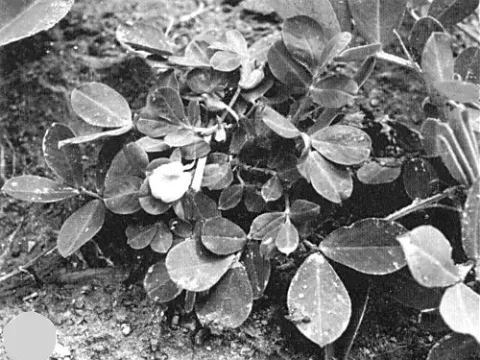
Indian peanut clump
Indian peanut
The disease is caused by the Indian peanut clump virus (ICLV), which is classified under the genus Pecluvirus.
What the section contains
Indian peanut clump
This pathogen contains a single-stranded RNA genome and is known for its high environmental stability, allowing it to persist in soil for many years.
The primary vector responsible for transmitting the virus is the soil-borne obligate parasite known as Polymyxa graminis.
ICLV has a broad host range, infecting various legume crops including peanuts, as well as pepper, wheat, and many common agricultural weeds.
It is predominantly observed in Asian countries where the specific soil and climatic conditions facilitate the lifecycle of its fungal vector.
The hallmark symptom is severe stunting, where plants exhibit shortened internodes and a bushy, condensed appearance of the foliage.
Leaves often show signs of chlorosis, appearing yellow or displaying distinct mosaic patterns that affect the overall photosynthetic capacity.
Infections occurring at the seedling stage are particularly devastating, causing plants to remain dwarfed and fail to develop properly throughout the season.
Root systems in infected plants are often poorly developed, showing reduced branching and a general failure to thrive compared to healthy crops.
In pepper plants, the disease manifests as leaf deformation, necrotic lesions, and a significant reduction in fruit set and quality.
Disease development is highly dependent on the presence of Polymyxa graminis zoospores in the soil, which become active under high moisture levels.
The infection process is most aggressive in waterlogged soil conditions, which provide the ideal environment for the vector to penetrate root hairs.
Soil temperatures between 25 and 30 degrees Celsius are optimal for both the multiplication of the virus and the activity of the vector organism.
Transmission across fields typically occurs through the movement of infested soil clinging to farm equipment, tools, or workers' footwear.
Fields with poor drainage systems are significantly more prone to persistent outbreaks because the pathogen can remain dormant in the soil for extended periods.
The economic impact of ICLV is substantial due to heavy yield losses caused by the inability of plants to produce viable pods and seeds.
In severe cases, peanut crops produce empty shells, which makes the harvest commercially worthless and drastically reduces profitability for farmers.
Early-stage infections may cause entire sections of a field to fail, necessitating expensive replanting and disrupting standard agricultural schedules.
The virus degrades the chemical quality of the peanuts, resulting in altered oil and protein profiles that lower the grade of the harvested crop.
For pepper production, the virus causes stunted growth and fruit deformities, leading to a major decrease in the marketable yield of the farm.
The most reliable control strategy is the utilization of resistant or tolerant peanut cultivars developed through rigorous breeding programs.
Implementing long-term crop rotation cycles helps reduce the population of Polymyxa graminis spores in the soil over time.
Stringent sanitation practices, such as washing farm machinery before moving it between different fields, are critical to preventing the spread of the pathogen.
Effective weed control in and around field borders reduces potential reservoirs where the virus and its vector might otherwise survive.
Improving soil drainage and moisture management can help create an environment that is less conducive to the activity of the fungal vector.