
Inocybe dulcamara
Inocybe dulcamara
Description
Symptoms
The primary sign of Inocybe dulcamara is the appearance of small, fleshy mushroom fruiting bodies emerging from the soil. They are frequently found in small clusters, particularly under trees or in damp, organic-rich garden beds.
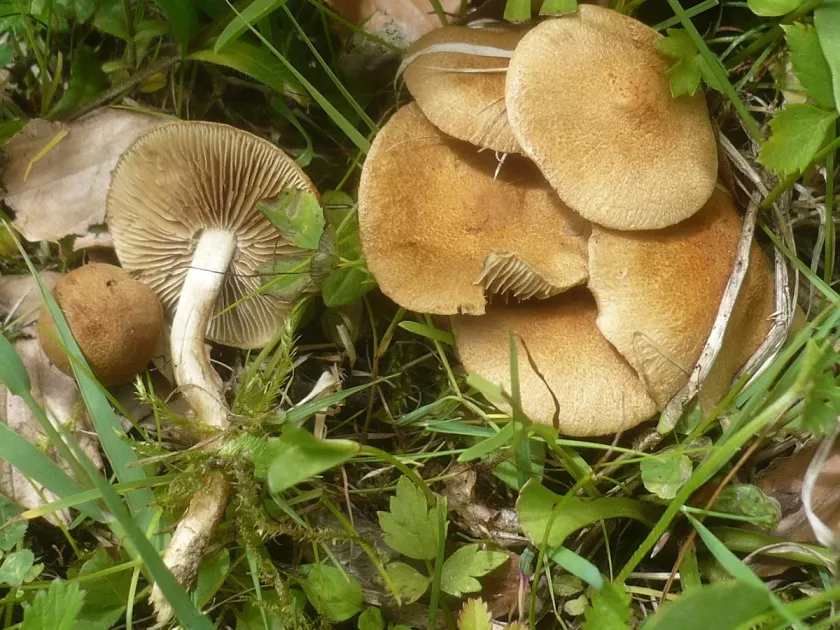
The cap often starts as a cone-shaped structure that flattens out with age, usually maintaining a prominent central bump (umbo). The surface typically ranges from ochre to brownish and features fine scales.
The gills beneath the cap undergo a color shift as the spores mature, changing from pale to a brownish or olive-toned hue. This color change is a critical diagnostic feature for field identification of the species.
The flesh is known for being fibrous and brittle. Its aroma is occasionally described as "sweet-bitter," which provides the common name, though this scent does not signify any harm to the plants growing nearby.
The emergence of these mushrooms often correlates with high humidity and significant humus content in the soil. Seeing them is a clear indication that the soil has enough moisture and organic matter to support decomposition processes.
Pathogen
Inocybe dulcamara, commonly known as the sweet-bitter fibercap, is not a plant pathogen or a disease agent. It is a fungus belonging to the Inocybaceae family, which lives as a saprotroph within the soil ecosystem.
This fungus functions primarily as a decomposer, breaking down organic matter such as fallen leaves, wood debris, and mulch. By doing so, it plays a vital role in nutrient cycling, releasing minerals back into the soil for plant uptake.
It is capable of forming ectomycorrhizal associations with various woody plants. This symbiotic relationship enhances the plant's ability to absorb water and minerals from the soil, effectively promoting better growth in trees and shrubs.
Physically, the mushroom consists of a small, convex to conical cap, typically up to 5 cm in diameter, supported by a fibrous stem. Its appearance is characteristic of the genus, with a scaly texture that is often mistaken for something more ominous.
Mistaking this fungus for a disease agent is a common misconception among amateur gardeners. Its presence is purely a sign of soil biological activity and organic richness, not an indicator of infection or systemic plant illness.
Conditions for development
Inocybe dulcamara thrives in moist, well-mulched, and organic-rich environments. It requires stable levels of moisture to produce its fruiting bodies, which is why it often appears after extended wet periods.
Moderate temperatures ranging from 15°C to 22°C are optimal for the development of its fruiting bodies. While the mycelium is hardy and can survive throughout the year, active mushroom production is strictly weather-dependent.
Effective spread is achieved through the release of millions of tiny spores, which are easily carried by the wind. These spores settle into the soil, waiting for the correct moisture and temperature cues to sprout.
Garden practices such as frequent mulching and organic composting create the perfect habitat for this fungus. In these conditions, it performs the natural duty of breaking down the surface organic layers into fertile soil.
Persistent presence of the fungus might suggest that the soil stays wet for too long. Improving drainage or reducing the density of mulch can help create an environment less hospitable to mushroom growth.
Why it matters
There is no agricultural or horticultural harm associated with Inocybe dulcamara. It does not cause root rot, leaf necrosis, or any form of systemic plant decay, as it does not parasitize living plant tissue.
The only potential risk associated with this fungus is its toxicity. As a member of the genus Inocybe, it contains muscarine, which is poisonous if ingested. It poses a hazard to children and pets if they consume the mushrooms.
From an ecological standpoint, the fungus is beneficial. By processing organic matter, it helps maintain soil structure and fertility, acting as a natural worker in the garden's nutrient cycling system.
The presence of the sweet-bitter fibercap does not necessitate any intervention to protect the plants. It competes with no crops and produces no toxic secondary metabolites that would inhibit plant development.
Ultimately, treating it as a "disease" is technically incorrect. It is a mushroom species that resides in the same soil as your plants, essentially living alongside them without causing any negative impact.
Protection
Because Inocybe dulcamara is not a plant disease, the use of fungicides is entirely unnecessary and discouraged. Applying chemicals will harm the beneficial soil microbiota without preventing the fungus from reappearing.
Cultural management is the most effective approach. If the mushrooms are undesirable, removing them by hand as soon as they appear is the safest and most efficient method to keep the area clear.
Regular cultivation of the soil surface helps disrupt the mycelium and improves aeration. Drier soil surfaces, achieved through better drainage and light exposure, naturally limit the growth of mushroom fruiting bodies.
Keeping the garden tidy by clearing excessive leaf litter can reduce the available substrate for the fungus. However, be aware that some decaying matter is necessary for a healthy soil food web.
Always prioritize safety when handling mushrooms. Wear gardening gloves, and ensure all collected mushrooms are disposed of in a way that prevents pets or children from accessing them, given their inherent toxicity.
Discussion
No discussions yet — be the first.