
Inocybaceae
Inocybaceae
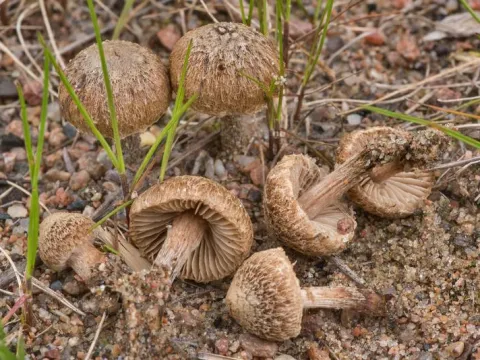
Inocybaceae is a family of agaric fungi that are not classified as plant pathogens. Instead, they are primarily known as mycorrhizal fungi, forming symbiotic relationships with various tree and shrub roots.
What the section contains
Inocybaceae
The fungus interacts with the host plant's root system by developing ectomycorrhiza, which assists the plant in absorbing water and essential nutrients from the soil.
Biological activity is driven by the mycelium, which colonizes the rhizosphere. These fungi are essential components of forest and orchard ecosystems, contributing to soil health.
The genus Inocybe is the most significant within this family, characterized by specific microscopic features such as muricate cystidia and brown spores.
Agronomists may observe these mushrooms in orchards or nurseries, where their presence usually indicates a biologically active soil rather than a disease outbreak.
Inocybaceae thrive in soils rich in organic matter and leaf litter. They prefer moderate moisture levels and stable temperatures, typically found in temperate forest zones or maintained orchards.
These fungi require the proximity of woody host plants to establish their mycorrhizal networks. The absence of suitable host trees often leads to the decline of these fungal colonies.
Soil pH plays a critical role in their distribution; most species prefer slightly acidic conditions to facilitate the growth of the fungal mycelium.
Environmental factors such as high humidity and rainfall trigger the production of fruiting bodies, which appear above ground during late summer and autumn.
Well-aerated soil structures are essential for the expansion of hyphae, although compacted soil can inhibit their development and metabolic activity.
These fungi do not harm crop yields; in fact, their mycorrhizal association often benefits plants by increasing nutrient uptake efficiency and enhancing stress tolerance.
The primary concern regarding Inocybaceae involves the presence of muscarine, a toxin found in many species, which can pose a health risk if ingested by livestock or humans.
In nursery settings, the appearance of mushrooms may interfere with the aesthetic quality of plants, potentially impacting the marketability of potted nursery stock.
During periods of rapid growth, extensive mycelial networks may temporarily compete with plants for specific soil nutrients, although this is rarely significant.
Their presence can sometimes serve as an indicator of excess soil moisture, which could indirectly suggest a higher risk for other, truly pathogenic soil-borne diseases.
Management of Inocybaceae is rarely required because they do not threaten crop survival. Cultural practices focus on managing the soil environment to limit their growth if necessary.
Improving soil drainage is the most effective way to eliminate conditions that promote mushroom development, as these fungi are highly sensitive to waterlogged environments.
Regular cultivation, such as tilling or raking the topsoil, disrupts the mycelial network and prevents the formation of fruiting bodies on the surface.
Removing decomposing organic debris and leaf litter reduces the food source available for the fungi, effectively discouraging their colonization of the area.
Altering soil pH through liming can shift the soil environment, making it less favorable for the growth and reproduction of many Inocybaceae species.