
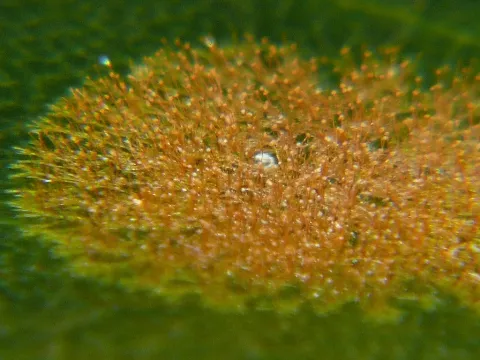
Hydrurus
Hydrurus
Hydrurus is a genus of chrysophytes (golden algae) and is not a plant pathogen in the sense of infecting agricultural crops.
What the section contains
Hydrurus
Biologically, it is a freshwater aquatic organism that thrives in specific water conditions, often forming complex, gelatinous colonies.
The most commonly studied species is Hydrurus foetidus, which is characterized by its ability to produce significant biomass in cold streams.
It reproduces through zoospores, allowing the algae to colonize new substrates rapidly in flowing water environments.
The organism is scientifically categorized within the division Chrysophyta and acts as a primary producer in aquatic ecosystems.
The presence of Hydrurus is indicated by large, brownish or yellowish slippery growths attached to rocks, submerged wood, and technical infrastructure.
Colonies often appear as branched, slimy strands that sway with the current, creating a distinct visual obstruction in the water flow.
A foul, organic, or "swampy" odor is frequently associated with large concentrations of the algae, especially as the colonies begin to age or die.
When touched, the colonies feel extremely slimy and soft, lacking the structural rigidity of higher aquatic plants or common filamentous algae.
Upon decay, the material releases a large amount of mucus, which can settle as a dense, dark film on the bottom of the water channel.
Hydrurus prefers cold, well-oxygenated, and fast-flowing freshwater, typically found in spring-fed streams or high-altitude water sources.
Cooler water temperatures are essential for its proliferation; the algae often show the most growth during early spring and late autumn months.
High light intensity, coupled with low ambient temperatures, creates an ideal environment for intensive photosynthesis and biomass accumulation.
The availability of hard, stable substrates such as rocks, concrete walls, or metal sluice gates is necessary for colony attachment.
Elevated levels of organic nutrients and nitrogen compounds in the water can trigger rapid, bloom-like growth patterns of the species.
In agricultural settings, the primary concern is the clogging of irrigation filters, pumps, and water intake screens by the slimy biomass.
This accumulation significantly reduces the flow capacity of irrigation channels, leading to potential water shortages for crops and mechanical failures.
The decomposition of large amounts of Hydrurus biomass can alter the water's chemical profile, potentially affecting its suitability for sensitive irrigation needs.
Increased maintenance costs are often required to remove these slimy deposits from critical hydraulic infrastructure and equipment.
In aquaculture, excessive growth may interfere with dissolved oxygen levels and cause physical obstructions to fish and other aquatic organisms.
Mechanical removal is the most common and effective method for clearing Hydrurus from intake screens, channels, and hydraulic infrastructure.
Preventive management involves limiting nutrient runoff, particularly nitrogen and phosphorus, into irrigation water sources to reduce eutrophication.
In closed-loop or industrial irrigation systems, the application of approved algaecides can effectively manage biomass levels when used as directed.
Increasing water flow speed can sometimes inhibit the ability of the algae to attach firmly to substrates, thereby reducing overall growth.
Regular maintenance and routine cleaning of irrigation equipment prevent the buildup of colonies before they reach a stage that causes significant operational downtime.