
Hygrocybe aurantiosplendens
Hygrocybe aurantiosplendens
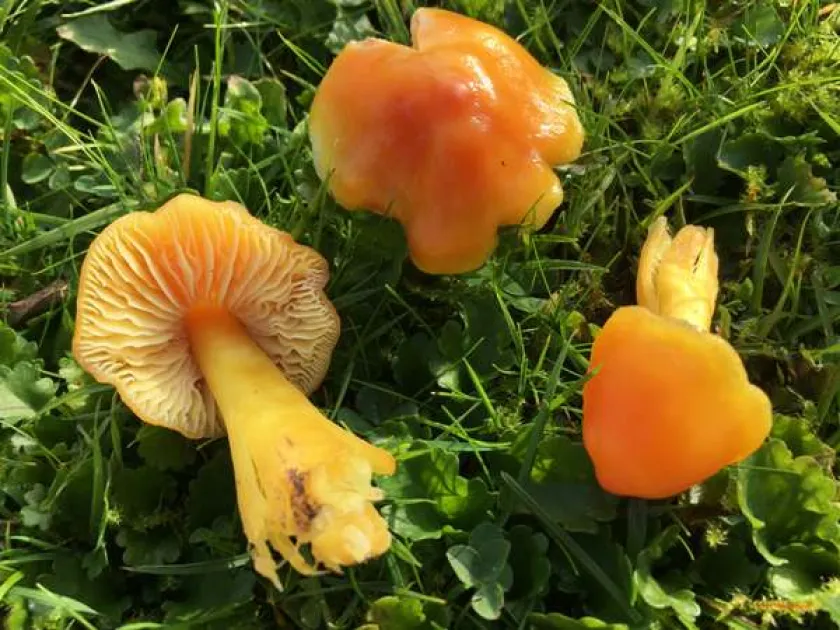
Description
Pathogen
Hygrocybe aurantiosplendens is not a plant pathogen and does not cause any infectious diseases in agricultural crops.
This organism is classified as a saprotrophic fungus, which plays a vital role in decomposing organic matter in nature.
It derives its nutrition from dead plant debris, specifically forest leaf litter or humus-rich meadow soils.
Biological interactions between this fungus and cultivated plants are non-existent, meaning it does not pose a threat to plant immunity.
Labeling this fungus as a plant disease is a scientific misunderstanding, as it does not possess the biology of a pathogen.
Conditions for development
Development of the fruit bodies occurs in conditions of high humidity and moderate temperatures, typical for woodland or meadow environments.
The fungus thrives in areas with undisturbed soil and sufficient accumulation of leaf litter or organic surface matter.
Environmental stability is key, as the species is sensitive to rapid changes in soil pH and extreme dryness.
Growth is usually observed during the autumn season when temperatures become mild and moisture levels rise.
It is generally intolerant to heavy synthetic fertilizers and aggressive pesticides commonly used in industrial farming.
Why it matters
There is absolutely no harm to cereal, fruit, or vegetable crops caused by Hygrocybe aurantiosplendens.
The fungus is completely harmless to agricultural productivity, as it does not compete with crops for nutrients.
It does not infect roots, stems, or foliage, nor does it secrete any toxins harmful to agricultural products.
As a saprotroph, it actually contributes to the soil ecosystem health by converting dead matter into humus.
Negative economic impact is non-existent, provided it is identified correctly and not mistaken for a pathogenic threat.
Protection
No protection measures are necessary, as the fungus does not constitute a pest or disease threat to farming operations.
Prevention programs against this species are not required because it is a natural component of a healthy soil ecosystem.
Agro-technical practices should focus on maintaining overall soil fertility rather than eliminating beneficial or neutral fungi.
The presence of this fungus should be treated as a positive bio-indicator of a balanced and undisturbed habitat.
Avoid unnecessary applications of broad-spectrum fungicides, as they may harm beneficial soil microflora without providing any benefit.
Discussion
No discussions yet — be the first.