
Hygrocybe calciphila
Hygrocybe calciphila
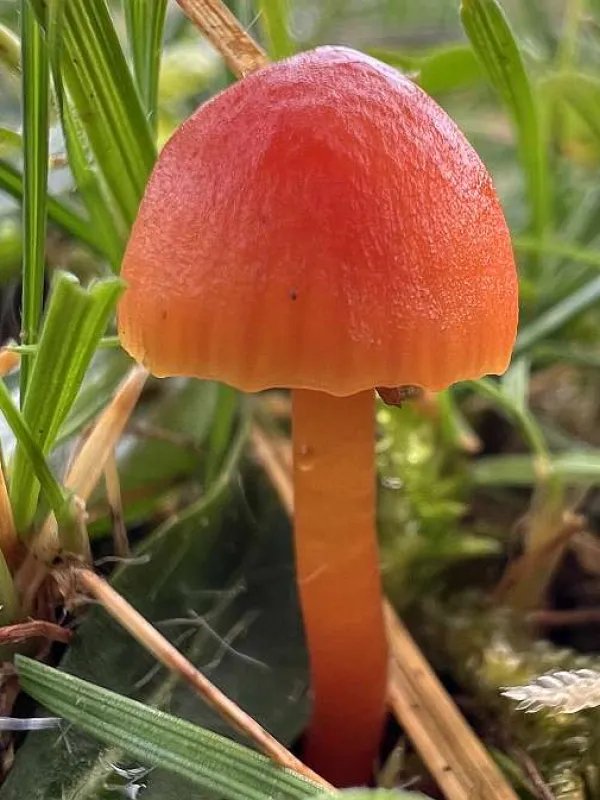
Description
Pathogen
Hygrocybe calciphila is a species of fungus belonging to the Hygrocybaceae family. It is vital to state that this organism is not a plant disease or a pathogen of agricultural crops.
The fungus is categorized as a saprotroph, meaning it gains its nutrients by breaking down non-living organic matter within the soil environment. It does not infect or colonize living plant tissues.
The biological nature of this fungus is centered on the decomposition of organic debris, contributing to the carbon cycle and nutrient recycling in grassland ecosystems.
Scientific data confirm that this species has no mechanism to invade plant cells, meaning it poses absolutely no threat to crops, vegetables, or ornamental plants.
Because it is not a parasite, it is irrelevant to phytopathology and does not cause any diseases in agriculture.
Conditions for development
This species is specifically adapted to calcareous, or calcium-rich, soil environments, as implied by its scientific epithet. It thrives in soils with neutral to slightly alkaline pH levels.
Hygrocybe calciphila typically inhabits semi-natural grasslands and old pastures where the soil structure has remained undisturbed by intensive chemical application.
High moisture levels are essential for the production of fruit bodies, which usually emerge during the late summer and autumn seasons when temperatures are moderate.
The presence of this fungus is often considered an ecological indicator of a healthy, low-nitrogen ecosystem that has not suffered from excessive fertilizer runoff.
Optimal growth conditions involve stable microclimates and consistent humidity, as the fungus is highly sensitive to rapid changes in environmental factors.
Why it matters
There is no economic damage associated with Hygrocybe calciphila. It does not cause root rot, leaf spots, or any other form of agricultural plant disease.
Unlike pathogenic fungi that target vascular or photosynthetic tissues, this fungus remains in the soil organic layer, performing natural decomposition processes.
No symptoms of infection appear on crops because the species lacks the capability to establish a symbiotic or parasitic relationship with cultivated plants.
Agro-technical protocols do not involve any measures against this fungus, as it is a natural part of the soil microbiome that supports plant growth indirectly.
It is important to emphasize that identifying this species does not require remedial action, as it remains entirely benign for the agricultural sector.
Protection
No protection or prevention methods are necessary for this fungal species. Since it is not a pest or a disease, there is no need for fungicide application.
Maintaining healthy soil biodiversity should be the primary goal for farmers, as beneficial fungi like Hygrocybe calciphila contribute to soil structure.
Efforts to control soil-borne diseases should focus exclusively on known plant pathogens, and identifying non-pathogenic species is crucial for sustainable agriculture.
If you encounter this fungus in your field, it is a sign of a balanced ecosystem rather than a problem requiring intervention or eradication.
Proper land management, which includes avoiding excessive chemical pesticides, helps protect such harmless and ecologically important fungal populations.
Discussion
No discussions yet — be the first.