
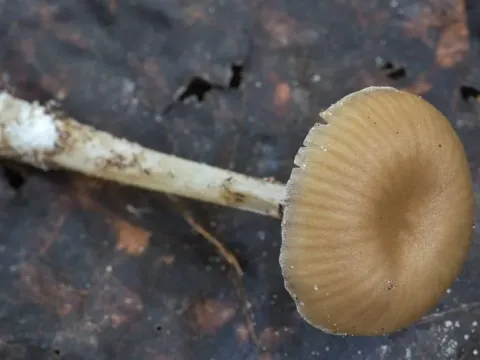
Gamundia striatula
Gamundia striatula
Gamundia striatula is a basidiomycete fungus that can exist as a saprotroph on decaying organic matter but may exhibit parasitic characteristics under specific agricultural conditions.
What the section contains
Gamundia striatula
The fungus is characterized by the formation of small, radially striated fruiting bodies that often appear in clusters near the base of plants or on moist soil surfaces. Its biological activity is heavily influenced by moisture availability.
The mycelium of the pathogen is capable of infiltrating plant tissues, particularly when the host is under physiological stress or in contact with heavily infested debris.
Classification of this species within agricultural contexts is critical, as its presence is often misidentified due to its resemblance to other common soil-borne fungi.
Understanding the life cycle of Gamundia striatula is essential for developing integrated pest management strategies, as the fungus relies on environmental triggers to initiate its reproductive phase.
Early symptoms of infection include chlorosis of the lower leaves, followed by the appearance of characteristic fungal fruiting bodies at the base of the plant stem.
The infected tissue often shows signs of softening and decay. In advanced stages, the structural integrity of the plant stem is compromised, leading to increased fragility.
Microscopic analysis reveals fungal hyphae penetrating the intercellular spaces, which correlates with the yellowing and wilting symptoms observed in the field.
The specific radial pattern on the fungal caps is the most reliable visual indicator for identifying this organism compared to other benign soil fungi.
Affected plants often appear stunted compared to healthy counterparts in the same field, showing delayed development and reduced grain or fruit filling.
The development of Gamundia striatula is highly favored by high humidity levels and moderate temperatures, typically ranging from 15°C to 22°C.
Fields with poor drainage and excessive plant residue are at the highest risk, as these environments provide the necessary substrates for the fungus to establish and spread.
Overcrowded crop stands, which prevent air circulation and trap humidity near the soil surface, create the perfect microclimate for sporulation and infection.
Soils that have been continuously cropped without proper rotation tend to build up a high spore load, increasing the probability of disease outbreak during wet seasons.
Environmental stress, such as waterlogging or nutrient deficiencies (especially potassium), can significantly lower a plant's threshold for fungal infection.
The primary impact of Gamundia striatula is the reduction of photosynthesis due to leaf chlorosis and the physical damage to the plant's vascular system.
Lodging is a common consequence of infection, especially in cereals, which complicates mechanical harvesting and leads to significant yield losses and lower grain quality.
The fungus may produce metabolites that disrupt plant growth hormones, resulting in reduced biomass and diminished overall harvestable yield.
In addition to yield reduction, the presence of the fungus facilitates secondary infections by bacteria and other opportunistic microbes, further damaging the crop.
Economic damage is exacerbated by the need for repeated fungicide applications and potential loss of market value due to damaged or contaminated produce.
Effective management begins with robust crop rotation, ensuring that susceptible host plants are not grown in the same plot more than once every three years.
Deep tillage practices are highly recommended to bury crop residues, thereby depriving the fungus of its primary source of overwintering and early development.
Fungicidal treatments applied during the early vegetative growth stages can prevent the fungus from establishing a foothold on the stems of young plants.
Maintaining optimal plant density and ensuring good field drainage are crucial cultural practices to reduce humidity levels and discourage fungal colonization.
- Application of balanced fertilizers, particularly potassium to strengthen stems.
- Timely removal of infected plant debris from the field perimeter.
- Use of disease-resistant varieties if available in local agricultural trials.