
Ganoderma tornatum
Ganoderma tornatum
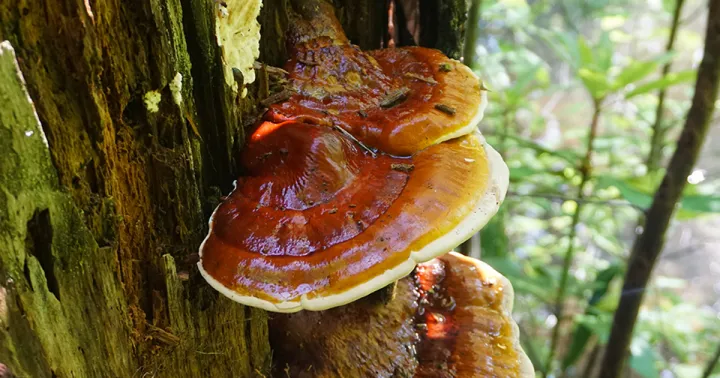
Description
Symptoms
The most visible sign of infection is the presence of fruiting bodies, which appear as hard, perennial, bracket-like or shelf-like growths on trunks or at the base of the tree.
These fruiting bodies typically exhibit concentric growth rings and are mat-textured. Their color ranges from yellowish-brown to dark brown, while the underside consists of a porous, light-colored tube layer.
Inside the wood, the infection manifests as active white rot. The wood tissue gradually loses its density and structural integrity, becoming bleached and fibrous as the fungus degrades lignin.
In advanced stages, the decay creates voids or hollows within the heartwood, often located near the sites where the fungus emerges. The crown of the tree may show signs of thinning or dieback.
The fungus often gains entry through bark fissures or previous injury sites, where small patches of mycelial growth may become visible upon close inspection.
Pathogen
The pathogen is Ganoderma tornatum, a basidiomycete fungus known for its ability to decompose lignified plant tissues. It acts primarily as a necrotrophic wood-decay agent.
The fungus produces a complex suite of enzymes, including laccases, which allow it to effectively dismantle the wood's chemical structure, leading to a loss of mechanical strength.
It can persist in the environment for many years, surviving on woody debris, stumps, or root systems, which serves as a constant source of inoculum for nearby trees.
Reproduction occurs via spores released from the lower surface of the fruiting bodies, which are easily disseminated by wind currents to colonize new susceptible hosts.
The mycelium colonizes the xylem, moving slowly through the wood until it compromises the tree’s water and nutrient transport systems.
Conditions for development
High humidity and moderate temperatures are the most critical environmental drivers for the growth of Ganoderma tornatum and the activation of its spores.
The presence of physical wounds, whether caused by pruning, storms, or machinery, significantly increases the likelihood of fungal colonization on otherwise healthy bark.
Stress factors such as drought, soil compaction, or poor nutritional status weaken the tree's defense mechanisms, making it more prone to successful infection.
Dense, shaded stands with restricted airflow create microclimates that maintain the high moisture levels preferred by the fungus during its colonization phase.
Old or senescent trees, which often have natural openings or structural defects, are particularly vulnerable to the establishment of the fungus.
Why it matters
The primary harm is the destruction of the wood’s mechanical properties, which significantly increases the risk of windthrow and sudden tree failure.
In silviculture, the fungus causes substantial economic losses by degrading timber quality and reducing the total volume of harvestable wood per hectare.
In urban landscapes, the threat to public safety posed by decaying trees that may collapse without warning is a major concern for arborists and park management.
The infection accelerates the decline of the tree, creating a cycle where weakened trees are further attacked by secondary pests and diseases.
Ultimately, the decay is irreversible, leading to the death of the tree and necessitating costly removal of the infected wood to prevent further spread.
Protection
The most effective strategy is rigorous sanitation, including the prompt removal of infected trees and the extraction of stumps to eliminate the reservoir of fungal inoculum.
Preventing mechanical injury to the tree is crucial. Any necessary pruning wounds should be promptly treated with appropriate protective sealants or fungicides.
Maintaining tree vigor through proper irrigation, fertilization, and site management helps trees develop strong natural defenses against fungal pathogens.
Regular visual inspections, especially for older specimens, are vital to detect fruiting bodies early and take necessary quarantine measures.
In sensitive areas, instrumentation such as sonic tomography can be used to assess internal decay before the tree becomes a public safety hazard.
Discussion
No discussions yet — be the first.