
Scab
Fusicladium
Scab is a serious plant disease caused by fungi of the genus Fusicladium (the asexual stage of Venturia species), which primarily infect deciduous trees.
What the section contains
Scab
The life cycle involves an overwintering phase where the fungus survives in fallen leaves and on twigs, producing spores that initiate new infections in spring.
Dissemination occurs via wind and rain splashing, which spreads the inoculum to young, developing tissues such as leaves, flowers, and fruits.
Once the spore lands on a host, it germinates under wet conditions and penetrates the plant epidermis, establishing a parasitic relationship.
The pathogen produces toxins and enzymes that degrade plant cells, leading to the characteristic visual symptoms and physiological stress of the host.
Initial symptoms are often observed as pale or olive-green spots on the underside of young leaves, eventually developing a velvety dark brown coating.
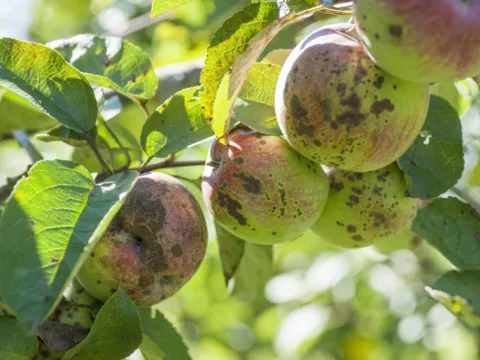
On fruits, scab manifests as well-defined, scabby, or corky lesions that often enlarge and darken as the fruit continues to grow.
Heavy infection frequently causes fruit distortion, cracks, and premature drop, rendering the harvest visually unappealing and prone to rotting.
Young twigs may show blisters or small lesions that can eventually develop into larger scabs and contribute to overall tree decline.
- olive-green leaf spots;
- corky lesions on fruits;
- fruit skin cracking;
- premature leaf drop;
- twig pustules.
The development of scab is highly dependent on extended periods of high humidity and rainfall during the critical stages of early leaf and fruit development.
Optimal temperatures for spore germination and infection range from 15°C to 22°C, provided the plant surface remains wet for a sufficient duration.
Densely planted orchards or trees with poor canopy ventilation retain moisture longer, significantly increasing the risk of severe infection outbreaks.
The pathogen thrives in cool, damp spring weather, where frequent rain events ensure the constant dispersal of spores across the orchard.
Lack of proper sanitation allows the fungal load to increase annually, making the trees more susceptible to damage during favorable weather conditions.
The primary economic impact of scab is the loss of marketability, as disfigured, scabby fruits are discarded by consumers and retailers.
Premature defoliation resulting from severe leaf infection reduces the plant's ability to photosynthesize, weakening the tree's vigor and future yield potential.
Repeated annual infections can lead to stunted growth and reduced cold tolerance, making trees more susceptible to winter injury and other environmental stresses.
For nursery growers, scab infection on saplings can lead to significant economic losses and rejection of stock due to the poor health of the plants.
Management of the disease necessitates intensive use of fungicides, which adds to the overall production costs and creates environmental considerations.
Sanitation practices, specifically the removal and destruction of fallen leaves in autumn, are crucial to reducing the primary inoculum source.
Strategic pruning to open the tree canopy facilitates rapid drying of foliage and fruits, which limits the period of vulnerability to infection.
Preventative fungicide applications, particularly copper-based sprays early in the season, help in suppressing the initial spread of the fungus.
During the growing season, timely applications of systemic fungicides are essential when weather conditions are forecasted to be highly conducive to infection.
Integrating resistant or tolerant varieties into the orchard management plan provides the most sustainable long-term solution for managing scab disease.