
Rice root rot
Falciphora oryzae
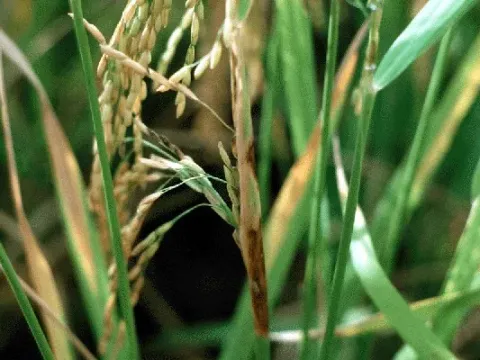
The primary symptom of Falciphora oryzae infection is the gradual wilting and chlorosis (yellowing) of the leaves during the vegetative growth stage.
What the section contains
Rice root rot
Upon examination, the root system shows characteristic browning, decay of fine root hairs, and general degradation of the root tissues.
Infected plants exhibit severe stunting, resulting in a noticeably smaller plant height compared to healthy crops growing in the same field.
In advanced stages, the root tissues become soft and necrotic, severely limiting the plant's ability to transport essential water and nutrients.
Symptoms often appear in patches within the field, which tend to expand if environmental conditions remain favorable for the pathogen.
The causative agent of this disease is the fungus Falciphora oryzae, a soil-borne pathogen known for its persistence in the environment.
This fungus survives in the soil and on crop debris, often remaining dormant until environmental triggers allow it to initiate a new infection cycle.
It specializes in colonizing the roots of the rice plant, effectively blocking the xylem vessels and disrupting the plant's physiological functions.
The pathogen spreads easily through contaminated irrigation water, soil movement during tillage, and infected seeds or straw left in the field.
Microscopic analysis reveals the extensive hyphal growth within the root cortex, leading to enzymatic degradation of the structural components of the host.
The development of Falciphora oryzae is highly favored by waterlogged soil conditions and poor drainage systems in rice fields.
Cooler temperatures combined with high humidity create an optimal niche for the fungus to infect root systems during the early stages of growth.
Continuous rice cropping, which lacks proper rotation, leads to the accumulation of high fungal inoculum levels in the soil profile.
Soil compaction and poor aeration further stress the rice plants, making them more susceptible to fungal entry and subsequent decay.
Excessive nitrogen fertilization can also create succulent tissues that are more vulnerable to the rapid advancement of the root rot pathogen.
The major impact of rice root rot is a substantial reduction in overall grain yield and quality, affecting the economic viability of the farming operation.
Infected plants suffer from poor tiller development, leading to panicles that are either empty or filled with shriveled, low-quality grains.
The reduction in plant density caused by disease mortality creates open niches for competitive weed infestation, further suppressing the crop.
Farmers often incur increased production costs due to the need for fungicide applications and replanting efforts following heavy disease outbreaks.
Long-term soil contamination makes the fields unsuitable for planting susceptible varieties, forcing changes in land use and variety selection.
Effective management begins with strict adherence to crop rotation cycles to naturally reduce the fungal population in the soil.
Seed treatment with systemic fungicides is a crucial proactive measure to protect emerging seedlings from early root rot infection.
Improving field drainage and ensuring water quality are essential steps to prevent the water-saturated environments that the fungus thrives in.
The deployment of resistant rice varieties remains the most effective and sustainable strategy for mitigating losses caused by Falciphora oryzae.
- Sanitation practices, including the removal and destruction of infected crop debris.
- Balanced nutrient management to promote vigorous root development and plant health.
- Monitoring soil pH levels to maintain conditions that are less conducive to fungal proliferation.