
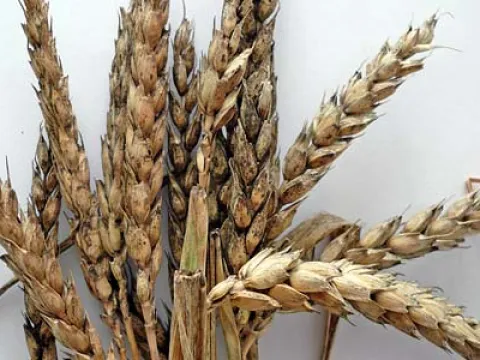
Barley Epicoccum leaf spot
Epicoccum hordei
The disease is caused by the fungus Epicoccum hordei, a pathogen that frequently inhabits cereal crops. It is known for its ability to transition from saprophytic growth on plant debris to parasitic activity under favorable environmental conditions.
What the section contains
Barley Epicoccum leaf spot
This fungus produces abundant conidia, which act as the primary inocula. These spores can travel over long distances via wind and water splashes, ensuring the pathogen spreads effectively throughout the field.
Upon landing on a host plant, the conidia germinate and penetrate the leaf epidermis. The fungus colonizes the intercellular spaces, utilizing specialized enzymes to degrade plant tissue for nutrient uptake.
The biology of Epicoccum hordei is characterized by a rapid life cycle. In warm, moist environments, it can complete multiple infection cycles within a single growing season, leading to rapid disease progression.
Laboratory diagnosis involves culturing the fungus on nutrient media, where it often displays distinct morphological characteristics, such as dark-pigmented colonies that assist in species confirmation.
Symptoms typically start as small, discolored spots on the lower leaves. As the disease progresses, these spots expand, often developing necrotic centers with a lighter or yellow halo surrounding the lesion.
A characteristic fuzzy mold growth, representing the fungal sporulation, often appears on the lesion surface. This feature is more prominent under conditions of high humidity, such as after rainfall or during heavy dew.
As the infection intensifies, the leaves may wither prematurely. This loss of foliage limits the plant's ability to produce energy, ultimately resulting in stunted growth and thinner spikes.
Head infection can occur, leading to the darkening of glumes and potential grain shriveling. Affected seeds often exhibit reduced germination rates and overall lower quality for processing purposes.
Distinguishing Epicoccum hordei from other fungal leaf spots can be difficult, as symptoms overlap with diseases like spot blotch; thus, professional diagnostic support is often required for precise identification.
High relative humidity and moderate temperatures are the most critical factors for the development of barley epicoccum leaf spot. Persistent mist, fog, or frequent rainfall provide an ideal environment for spore germination.
Temperatures ranging from 18°C to 24°C are optimal for the pathogen. In such conditions, the incubation period is shortened, facilitating a quick and widespread outbreak across the crop field.
Poor ventilation within dense plant stands encourages the accumulation of moisture on leaf surfaces. This microclimate significantly increases the susceptibility of barley plants to fungal penetration.
Agricultural practices such as reduced tillage leave high amounts of crop residue on the soil surface, providing a constant reservoir for the pathogen to survive between seasons.
Excessive use of nitrogen fertilizers creates lush, susceptible vegetative growth, which is more prone to colonization by the fungus compared to plants grown under balanced nutritional regimes.
The primary damage caused by Epicoccum hordei is the reduction of green leaf area, which severely restricts the plant's photosynthetic capacity and reduces grain filling.
Plants affected by the disease show a reduced ability to withstand environmental stress. This combination of factors can lead to a significant decline in the overall yield potential of the barley crop.
Grain quality is often negatively impacted, manifesting as lower test weight, reduced protein content, and poor aesthetic appearance, which can lower its market value significantly.
In cases of severe infestation, the disease can spread to the spikes, damaging the reproductive parts of the plant and further aggravating the yield loss through grain abortion or shriveling.
The presence of the disease necessitates extra investment in fungicide applications, increasing the cost of production while creating potential pressure on the environment and the risk of fungicide resistance.
The cornerstone of control is effective crop rotation. Avoiding barley cultivation in the same field for several consecutive years is essential to break the survival cycle of the pathogen.
Deep plowing and proper residue management help incorporate infected plant debris into the soil, where microbial activity can effectively reduce the population of Epicoccum hordei.
Applying fungicides during the flag leaf emergence and flowering stages can prevent major losses. It is crucial to monitor field conditions and apply treatments before the infection reaches a threshold level.
Choosing resistant or tolerant barley varieties is the most sustainable approach to managing the disease, as it minimizes the reliance on chemical inputs and ensures stable yields.
- Implement optimal seeding densities to improve air circulation.
- Use certified, high-quality seeds treated with systemic fungicides.
- Practice balanced fertilization to avoid excess nitrogen growth.
- Manage weeds that may serve as alternative hosts for the pathogen.