
Bark necrosis
Nectria
Description
Symptoms
The early symptoms of bark necrosis appear as depressed, brown or discolored patches on the bark. As the disease progresses, the necrotic tissue dries out and often begins to crack around the edges.
A classic diagnostic feature is the presence of concentric ridges of callus tissue that the tree attempts to form in a defensive effort to seal off the expanding fungal infection.
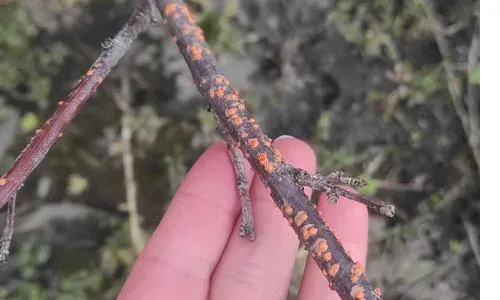
Small, bright orange-red pustules (sporodochia) can often be seen clustered on the surface of the infected bark, indicating active sporulation of the fungus during humid weather.
In advanced stages, deep, open cankers develop. These wounds may penetrate into the xylem, causing branches to weaken, become deformed, and eventually snap under the weight of fruit or during windy conditions.
- depressed, sunken lesions on the bark;
- concentric callus ridges around the infection;
- orange-red fungal pustules;
- open, deep cankers on branches or trunks;
- wilting of foliage distal to the infection site.
Pathogen
The primary pathogen responsible for this condition is the ascomycete fungus of the genus Nectria, with Nectria galligena being the most prevalent and destructive species affecting woody plants.
This disease is categorized as a necrotic canker. The fungus colonizes the bark and cambium layers, essentially cutting off the nutrient transport systems, which leads to localized death of the plant tissues.
The fungus produces spores in specialized fruiting bodies called perithecia, which are often visible as small, red or orange mounds on the bark surface. These spores are disseminated via wind and splashing rain.
The pathogen can survive in dormant tissue, overwintering in the bark and canker margins. As conditions become favorable, it reactivates, expanding the necrotic area and potentially girdling the branch or stem.
The biology of Nectria makes it a opportunistic yet aggressive pathogen. It thrives by exploiting vulnerabilities in the plant's defense system, often entering through natural fissures or man-made wounds.
Conditions for development
High humidity and moderate temperatures are the most critical factors favoring the development of bark necrosis. Prolonged wet weather provides the perfect environment for spore germination.
Poor orchard sanitation and dense planting patterns reduce air circulation, which prevents the bark from drying quickly after rainfall, thereby increasing the risk of successful fungal infection.
Mechanical injuries are primary entry points for the pathogen. Damage from hail, frost cracking, and improper pruning techniques frequently lead to the establishment of the fungus in the tree.
Trees under physiological stress, such as those suffering from nutrient deficiencies, drought, or over-irrigation, are significantly more susceptible to Nectria colonization.
Human activity is a major vector for the spread of the disease. Using unsterilized pruning tools allows the fungus to travel from infected trees to healthy ones during standard maintenance procedures.
Why it matters
Bark necrosis is highly detrimental to fruit and ornamental trees, often leading to a steady decline in vitality. If left untreated, the disease will severely limit the plant's productive life.
The infection disrupts the vascular system, significantly reducing the tree's ability to transport water and minerals. This leads to poor fruit development, reduced yields, and premature foliage senescence.
Girdling of the main stem by a canker is fatal to the tree. Even if the tree survives, the wood becomes brittle and susceptible to secondary decay, making it a liability in an orchard setting.
The disease forces growers to undertake expensive and labor-intensive remediation, such as surgical removal of branches or, in worst-case scenarios, the removal and destruction of entire trees.
Because the fungus can remain active for years, it acts as a constant reservoir of inoculum, threatening all nearby trees and complicating the long-term management of the garden.
Protection
The foundation of effective control is strict sanitation. All infected branches should be pruned back to healthy wood, and the clippings must be removed and destroyed immediately to eliminate spores.
Pruning tools must be disinfected with alcohol or other appropriate solutions between each cut to prevent the inadvertent transmission of the fungus from one branch to the next.
Protective sprays containing copper-based fungicides should be applied during the dormant season and after major pruning events to coat exposed surfaces and prevent new infections.
Maintaining optimal tree vigor through proper fertilization, irrigation, and pest management helps the tree build stronger cell walls and better resist the initial penetration of the pathogen.
Early identification and surgical cleaning of cankers — removing the diseased tissue until fresh, green wood is visible — can save trees if the damage has not yet girdled the stem.
Discussion
No discussions yet — be the first.