
Barbatosphaeriaceae
Barbatosphaeriaceae
The family Barbatosphaeriaceae consists of ascomycetous fungi belonging to the order Sordariales, which are often associated with decaying wood and plant tissues.
What the section contains
Barbatosphaeriaceae
These fungi are considered as opportunistic pathogens that can colonize trees and shrubs when the host's natural defenses are compromised by environmental stress.
The life cycle includes the formation of perithecia, small reproductive structures, which allow the fungus to disperse its spores through wind or water splash.
Once the spores land on a vulnerable surface, such as a wound or bark crack, they germinate and penetrate the internal layers of the plant tissue.
The fungal mycelium spreads throughout the host, degrading structural components like cellulose and lignin to obtain the nutrients required for their proliferation.
Infection typically manifests as localized bark necrosis, leading to sunken lesions or distinct cankers on twigs, branches, and occasionally the main trunk.
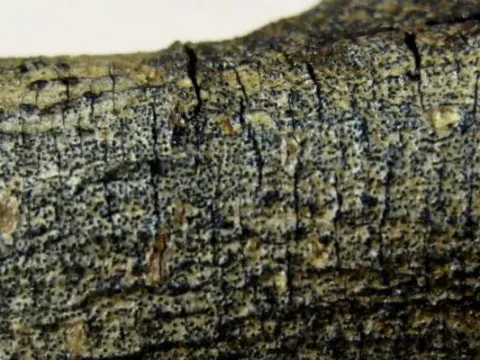
Visual identification often involves observing the development of minute, dark-colored fungal fruiting bodies scattered across the affected bark surface.
Affected plants exhibit branch dieback, where the tips of branches start to dry out and eventually die, leading to an overall thinning of the canopy.
Foliage on the diseased sections may exhibit signs of chlorosis, curling, and early abscission as the vascular system becomes obstructed by the mycelial mass.
Internally, the woody tissue may display discoloration, ranging from light brown to dark streaks, which indicates the progression of the fungal infection.
Development of Barbatosphaeriaceae is strongly favored by high ambient humidity, prolonged rainy periods, and temperate climate zones.
Plants are particularly susceptible in overcrowded environments where low airflow and high moisture retention create a humid microclimate around the stems.
Wounds caused by mechanical damage, pruning practices, or environmental factors like frost cracks serve as primary entry points for the fungal spores.
Stress factors such as nutritional deficiency, drought, or waterlogging significantly lower the plant's resistance, making it more prone to colonization.
Dead wood or pruning residues left on the orchard or garden floor act as a reservoir for spores, facilitating the spread of the disease within the area.
The disease causes significant damage by reducing the structural integrity of branches, which can lead to breakage under wind or fruit load pressure.
Chronic infections lead to gradual plant decline, negatively impacting the plant's aesthetic value, vitality, and overall fruit-bearing capacity.
The interruption of water and nutrient transport due to vascular colonization can lead to the death of entire limbs or the eventual loss of the plant.
Orchards face financial losses due to the premature replacement of infected trees and the decreased quality of produce throughout the growing season.
Severe infestations often require drastic pruning, which reduces the plant's energy reserves and slows down its recovery process significantly.
Sanitation is the most critical control measure, involving the systematic pruning and disposal of all dead, diseased, and dying plant materials.
To prevent the spread of the pathogen, all pruning tools must be thoroughly disinfected with appropriate chemical solutions after every use.
Wound protection using specialized fungicidal pastes or sealants helps shield exposed tissues from spore germination following maintenance pruning.
Prophylactic fungicide treatments, particularly those containing copper, can be applied to reduce the airborne inoculum density during the dormant season.
Maintaining optimal plant health through proper fertilization, adequate watering, and mulch management helps the host build robust resistance to infection.