
Dwiroopa
Dwiroopa
The plant disease Dwiroopa is defined by specific morphological changes in plants. The primary external symptom is the deformation of plant organs, where one part of the vegetative structure starts exhibiting characteristics of another, such as leaf blades growing instead of flower petals.
What the section contains
Dwiroopa
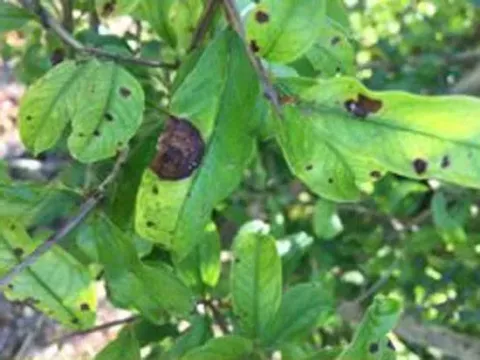
Affected plants often show abnormal tissue proliferation, resulting in thickened stems or the appearance of tumor-like growths. Leaves may change their standard shape, curl, or acquire chlorotic discoloration along the edges.
As the pathology progresses, a general delay in the growth of the plant is observed. The plant ceases to form reproductive organs correctly, making normal flowering and fruiting impossible.
Visual inspection reveals a disruption in the symmetry of the plant's development. Affected areas often appear paler or, conversely, dark green with visible signs of tissue hypertrophy.
The final stage of external manifestation is the necrosis of the damaged, deformed organs. Once the structure is destroyed, the pathogen spreads to healthy tissues of neighboring plant parts.
The causative agents of the disease are specific phytoplasmas or viral agents that disrupt the plant's hormonal balance. These microorganisms interfere with gene expression responsible for cell differentiation.
The disease is classified as a systemic condition causing profound metabolic changes. The pathogen is primarily transmitted by sap-sucking insect vectors, such as leafhoppers or aphids.
Internal plant tissues under the influence of the pathogen begin uncontrolled division, leading to the appearance of secondary anomalous formations. The biological activity of the pathogen is directly dependent on the flow of plant sap.
Microscopic studies show the presence of inclusions in the sieve tubes of the phloem. It is this blockage of nutrient flow that triggers the abnormal growth of individual organs.
The infection is characterized by a long incubation period. After initial infection, the pathogen gradually colonizes the entire vascular system, making the disease incurable in late stages.
The development of the disease is most active in conditions of high humidity and moderate temperatures. Such climatic parameters facilitate high activity of insect vectors.
Dense plantings create a favorable microclimate for maintaining an infectious background. Poor ventilation contributes to the rapid movement of disease vectors between healthy and diseased specimens.
The presence of weeds in the field is a critical factor for spread. Many weeds serve as reservoirs for the pathogen during the off-season.
Agrotechnical violations, such as excessive application of nitrogen fertilizers, provoke rapid growth of soft tissues, making the plant more vulnerable to infection.
The spread of the disease is also closely linked to the use of poor-quality seeds or planting material, which may be initially infected with a latent form of the pathogen.
The harmfulness of Dwiroopa lies in the complete loss of the commercial appearance of the produce. Deformed plant parts are unfit for sale and further industrial processing.
The disease causes serious damage to yield, as affected specimens do not form full-fledged fruits. In some cases, complete sterility of flowers is observed.
The systemic nature of the infection leads to the gradual suppression of the entire plant. This results in a decrease in the overall immunity of the crop and its subsequent death during the growing season.
Economic losses consist of costs for controlling vectors and the need for immediate removal and disposal of infected plants from fields.
The risk for a farm is the rapid coverage of the entire planting area. Without timely localization of infection hotspots, up to 80% of the commercial harvest can be lost.
The basis of protection is strict phytosanitary control. All affected plants must be immediately removed from the field and destroyed to prevent further spread.
- Use only certified, virus-free planting material.
- Regular control of insect vectors using systemic insecticides.
- Elimination of weeds in fields and surrounding areas.
- Adherence to crop rotation and spatial isolation between host crops.
- Implementation of varieties and hybrids resistant to phytoplasmal infections.
Preventive treatments should be carried out during periods of maximum activity of disease vectors. Monitoring leafhopper populations allows for a significant reduction in the risk of disease outbreaks.
The use of immunomodulators helps increase the overall resistance of cultivated plants to the impact of infections in the early stages of development.