
Dothidea
Dothidea
Dothidea is a genus of ascomycete fungi that acts as a pathogen on various woody plants and shrubs. These fungi are specialized in colonizing bark and leaf tissues, often leading to distinct necrotic lesions.
What the section contains
Dothidea
The pathogen produces fruiting bodies known as stromata, which develop within the host's tissues. These structures allow the fungus to survive adverse environmental conditions, including winter frosts, embedded deep in the host tissue.
Infection spreads primarily through ascospores released from the stromata. These spores are dispersed by wind and splashing rain, which effectively distributes the fungus to new susceptible plant hosts during the growing season.
Upon landing on a suitable host, the fungus uses specialized hyphae to penetrate the epidermal layers. Once inside, it begins a nutritional cycle that causes significant cellular disruption and death in the plant's parenchyma tissues.
Taxonomically, the genus is complex, as various species show specific host preferences. Correct identification often requires microscopic examination of the fruiting bodies to distinguish them from other look-alike leaf spots.
The primary symptom of a Dothidea infection is the development of localized spots on leaves or young stems. These spots are typically brown or black, representing areas where the plant tissue has died.
As the infection progresses, small, raised black bumps appear within the necrotic zones. These are the diagnostic fruiting bodies (stromata) of the fungus, which are clearly visible to the naked eye upon close inspection.
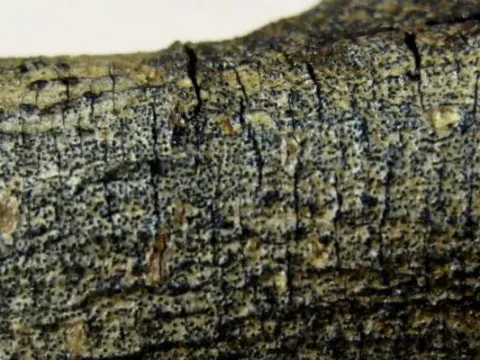
When stems are affected, the bark often develops cracks and becomes brittle. The underlying tissues may become discolored and soft, significantly hindering the movement of water and nutrients to the distal parts of the plant.
Infected plants may suffer from premature leaf drop, leading to sparse foliage. This loss of photosynthetic surface area is a clear sign that the infection is negatively impacting the plant's metabolic health.
Young shoots may show signs of deformation or stunted growth due to the stress caused by the fungal attack. These branches often appear weaker compared to healthy growth and are prone to mechanical breakage.
Dothidea thrives in environments characterized by high humidity and moderate temperatures. Moisture on the surface of leaves is essential for the germination of spores and subsequent successful colonization.
Poor aeration within dense plant canopies is a significant risk factor. When air movement is limited, humidity remains high, providing a sustained optimal environment for the fungus to develop and reproduce.
Plants that are stressed due to drought, poor soil fertility, or physical injury are much more susceptible to infection. A strong plant immune system can often defend against initial colonization attempts.
Spring and early summer, particularly during periods of frequent rainfall, are the most critical times for disease development. The abundance of water facilitates spore dispersal and germination on new, succulent growth.
Accumulation of dead plant debris around the base of trees serves as an overwintering site for the pathogen. Failure to clear this debris ensures a consistent source of inoculum for the following season.
The main harm caused by Dothidea is the reduction of the plant's overall vigor. By damaging leaves and stems, the fungus limits the plant's ability to produce energy, leading to stunted development.
Severe infections can result in the dieback of entire branches, which not only looks unsightly but also permanently damages the structural integrity of the plant or tree.
In nursery settings, the disease leads to significant economic loss. Affected plants lose their market value, and nurseries may be forced to cull large portions of their inventory to prevent further spread.
Infected plants have reduced winter hardiness. Because they enter dormancy in a weakened state, they are far more likely to suffer cold damage or mortality during harsh winter months.
Chronic infections can lead to a long-term decline in yield or ornamental quality, ultimately shortening the lifespan of the plant and necessitating expensive corrective maintenance.
Sanitary pruning is the most critical first step in managing Dothidea. All infected branches should be cut out and disposed of by burning to eliminate the source of fungal spores.
Maintain a clean growing environment by regularly raking and removing fallen leaves and twigs. This simple practice significantly reduces the overwintering population of the pathogen.
Fungicidal treatments, especially those containing copper, can be used to protect healthy plants. Applications should be timed to coincide with the most vulnerable periods for the plant, typically in early spring.
Cultural practices such as proper spacing and thinning help improve air circulation. This effectively lowers the humidity around the foliage and reduces the likelihood of spore germination.
Ensure that plants are well-nourished and watered to keep them in peak health. A healthy plant is inherently more resistant to the initial establishment of fungal pathogens like Dothidea.