
Dothideomycetes
Dothideomycetidae
Description
Symptoms
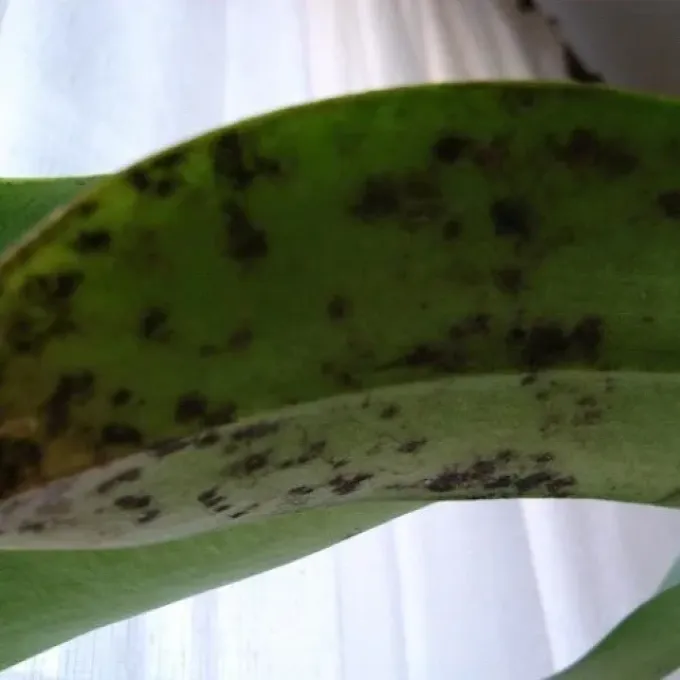
Infection by Dothideomycetes typically manifests as distinct necrotic lesions on leaves, stems, or fruits of the host plant.
A primary diagnostic feature is the appearance of dark, pinpoint-like fruiting structures (pycnidia or pseudothecia) embedded within the lesions.
Lesions may enlarge and coalesce over time, often resulting in premature senescence and defoliation of the plant canopy.
Chlorotic halos often surround the necrotic spots, indicating the localized action of fungal toxins on plant tissue.
In high-humidity environments, fungal sporulation may become visible as a colored dust or slimy mass on the surface of the infected areas.
Pathogen
Dothideomycetes is the largest and most diverse class of Ascomycota fungi, comprising many species that act as significant agricultural pathogens.
These fungi are characterized by the production of pseudothecia, specialized fruiting bodies that contain asci and ascospores for reproduction.
They possess an impressive range of ecological strategies, allowing them to thrive as both necrotrophs and saprotrophs in various environmental conditions.
Many common and destructive diseases, including various leaf spots, blights, and blotches, are caused by members of this class across a wide array of host plants.
Their evolutionary plasticity and ability to survive on crop residues make them persistent challenges in modern agronomic systems worldwide.
Conditions for development
The development of diseases caused by Dothideomycetes is strongly driven by climatic conditions, particularly the presence of surface moisture.
Optimal infection rates are achieved during periods of moderate temperatures accompanied by prolonged leaf wetness or high relative humidity.
Spores are efficiently dispersed via wind currents and rain splashes, which facilitate rapid secondary spread through a field.
Poor agricultural practices, such as minimal tillage or high planting densities, can create a microclimate conducive to pathogen establishment.
Inadequate rotation practices allow for the buildup of primary inoculum, increasing disease pressure for subsequent growing seasons.
Why it matters
The economic impact of Dothideomycetes is primarily realized through the loss of photosynthetic leaf area, which limits biomass accumulation.
Severe infections directly reduce crop yields by causing stunted growth, poor grain filling, and lower overall seed quality.
In addition to yield loss, these diseases may weaken the structural integrity of stalks, leading to lodging and harvest difficulties.
Reduced crop vigor makes plants more susceptible to secondary infections and environmental stresses, further complicating disease management.
The combined effect of these factors can lead to significant financial losses if appropriate mitigation strategies are not implemented early.
Protection
Successful management of Dothideomycetes involves an integrated approach combining agronomic practices with chemical interventions.
Selecting and planting resistant cultivars is often the most effective method for long-term disease suppression in susceptible crops.
- Deep plowing to bury crop residues and reduce primary inoculum.
- Implementing diverse crop rotation cycles.
- Applying targeted systemic fungicides during the onset of the growing season.
Seed treatment remains a critical step to prevent early-season infections that originate from contaminated planting material.
Regular scouting and monitoring are essential to trigger timely fungicide applications before the disease reaches an economic threshold.
Discussion
No discussions yet — be the first.