
Dothiora
Dothiora
Description
Symptoms
The first symptoms of Dothiora infection often appear as localized chlorosis on leaves or thin, discolored lesions on young shoots. As the infection progresses, these areas turn necrotic, changing to a deep brown or black color.
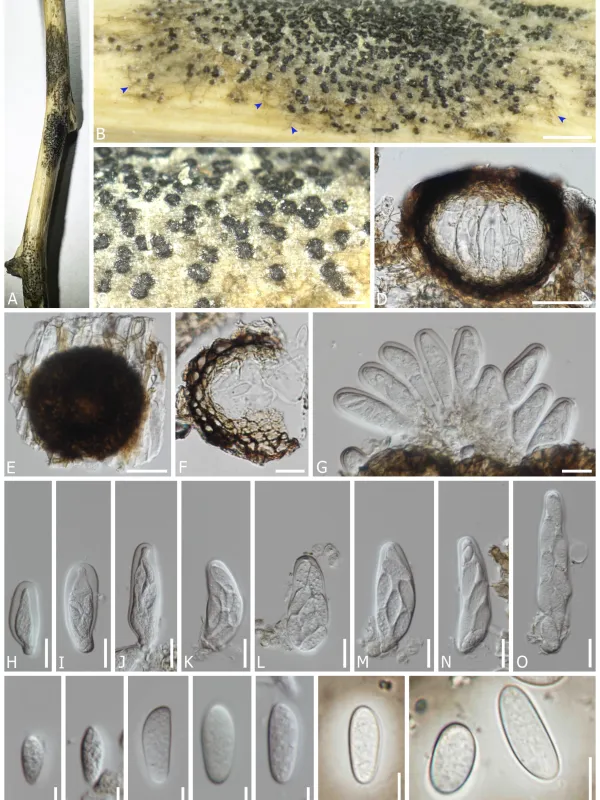
On the bark of stems and branches, the disease manifests as distinct rough patches or cracks. If observed closely, one can often see small, raised black pustules, which represent the fruiting bodies of the fungus breaking through the bark surface.
Infected leaves tend to show premature yellowing followed by necrotic spotting and early leaf drop. This foliage loss weakens the plant by reducing the photosynthetic capacity during crucial parts of the growing season.
When fruit is attacked, it may exhibit sunken dark spots or premature softening. These lesions significantly reduce the aesthetic value and shelf life of the fruit, often making them unsuitable for market distribution.
- Dark necrotic lesions on leaves and bark.
- Small, black fruiting bodies (ascostromata) on woody parts.
- Premature yellowing and leaf shedding.
- Cracking and localized decay of twigs.
Pathogen
Dothiora is a genus of ascomycete fungi that acts as a pathogen, causing various types of necrotic diseases on trees and shrubs. The pathogen survives through the winter within infected plant tissues, specifically forming structures known as ascostromata.
These fruiting bodies mature and release ascospores during periods of high humidity and rainfall. The spores serve as the primary inoculum, spreading to new host tissues through wind or splashing water, thereby perpetuating the disease cycle.
Upon landing on a suitable host surface, spores germinate and penetrate the plant's epidermis. The fungal hyphae grow into the intercellular spaces, secreting enzymes that degrade plant cells, allowing the pathogen to extract nutrients from the host.
The fungus is highly adapted to dormant plant tissues, making it a persistent threat in orchards and forest nurseries. Its ability to remain active in cool, moist conditions allows it to colonize woody tissues effectively.
Beyond ascospores, the fungus may also produce conidia as secondary inoculum during the growing season. This dual reproductive strategy ensures that the pathogen can rapidly colonize available tissues under changing environmental conditions.
Conditions for development
Disease development is highly dependent on environmental moisture. Prolonged wet weather during spring and autumn provides the necessary water film for spore germination and active infection processes.
Optimal temperatures for fungal growth are typically in the mild range. During these periods, the pathogen's metabolic rate increases, leading to a shorter incubation time and a higher potential for disease spread within the host canopy.
Poor orchard sanitation and dense canopy structures create stagnant microclimates where humidity remains high. This lack of airflow prevents leaves and twigs from drying, creating an ideal environment for constant re-infection.
Physical injuries, whether from pruning, hail, or winter frost damage, are primary entry points for the fungus. Trees suffering from environmental stress or poor site conditions are far more vulnerable to colonization by Dothiora.
Imbalanced nutrient management, particularly an excess of nitrogen, can result in succulent growth that is more easily penetrated by fungal hyphae. Maintaining a balanced fertilization program is key to minimizing susceptibility.
Why it matters
The damage caused by Dothiora leads to a decline in plant vigor and overall productivity. Chronic infection of branches can result in the loss of major structural wood, reducing the long-term yield potential of the tree.
By interfering with the plant's vascular and photosynthetic systems, the fungus reduces the accumulation of carbohydrate reserves. This leaves the plant ill-prepared for winter, increasing the risk of cold-related injury and mortality.
Marketable yield is heavily impacted by the physical symptoms on fruits. The need for strict grading and removal of diseased fruit significantly reduces the total profitable harvest volume for the grower.
In nurseries and young orchards, severe infection can lead to the death of entire plants. The economic consequences of replanting and the loss of growing years can be devastating for commercial agricultural operations.
Managing the disease requires frequent chemical interventions, which increases operational costs and puts additional pressure on the agricultural environment. Integrated approaches are essential to keep these costs sustainable.
Protection
Sanitation is the most critical control measure for Dothiora. Removing and destroying all dead or visibly infected branches during the dormant season significantly reduces the primary inoculum reservoir for the following year.
Protective fungicide applications, especially those involving copper-based or systemic compounds, are recommended before and during periods of wet weather. These treatments create a barrier that prevents spore germination on healthy surfaces.
Implementing proper pruning techniques to ensure good airflow within the tree canopy helps manage humidity. By allowing the canopy to dry out quickly after rain, the duration of favorable conditions for the fungus is reduced.
Cultural practices that promote plant health, including correct irrigation and balanced soil nutrition, are vital. A strong, well-nourished tree possesses a more effective immune system capable of resisting early fungal colonization.
Regular monitoring for early signs of the disease is essential. Early detection allows for targeted interventions rather than widespread chemical use, making the management process more effective and environmentally responsible.
Discussion
No discussions yet — be the first.