
Dothideaceae
Dothideaceae
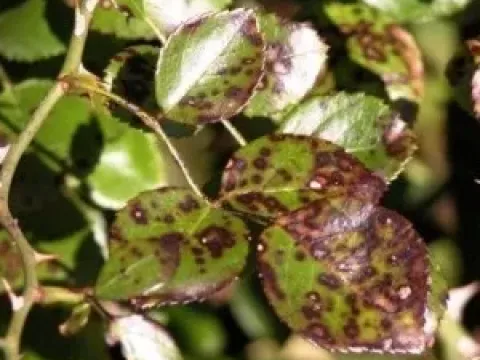
The primary symptom of infection by Dothideaceae fungi is the formation of spots in various shapes and colors on leaves, stems, and fruits.
What the section contains
Dothideaceae
These spots typically appear brown, dark, or greyish, often surrounded by a visible necrotic border that indicates the spread of the pathogen.
Inside the infected areas, the fungus develops pseudothecia, which manifest as small black dots that can be observed with the naked eye.
As the disease progresses, affected plant tissues die, leading to premature leaf drop and weakening of the entire plant structure.
In cases of stem infection, the fungus may cause bark cracking or ulcers, disrupting nutrient transport and severely stunting plant growth.
The disease is caused by fungi belonging to the order Dothideales, family Dothideaceae, which are classified as Ascomycota.
These organisms are mostly saprotrophic but can shift to a parasitic lifestyle when the host plant's immunity is compromised.
The life cycle involves the formation of ascospores within pseudothecia, which serve as the primary inoculum for crop infection in the spring.
Dothideaceae fungi are known for their high adaptability, allowing them to persist on plant debris for extended periods between growing seasons.
The spread of the infection is facilitated primarily by rain splashes, wind currents, and mechanical agricultural operations.
High humidity and moderate temperatures are the most favorable conditions for the development of Dothideaceae fungi, typically occurring during spring.
Prolonged rainfall or persistent morning fog creates the optimal environment for spore germination on the surfaces of plant organs.
Dense crop stands, which restrict air movement and slow down the drying process of foliage, significantly accelerate the spread of the pathogen.
Plants weakened by nutrient deficiencies, pest damage, or adverse weather conditions are much more susceptible to fungal invasion.
The infection rate increases significantly when humid periods are followed by sudden temperature rises, which trigger massive spore release.
The economic harm caused by Dothideaceae includes a significant reduction in the photosynthetic area of leaves, directly hindering plant development.
Infected crops can experience yield losses ranging from 30% to 50% due to metabolic disruption and lowered quality of the harvested produce.
Premature defoliation reduces the cold hardiness of perennial crops, as the plants cannot store sufficient energy reserves before winter.
Severe infections may lead to the total loss of young seedlings or significant fruit deformity, making the produce unmarketable.
Managing a high level of disease inoculum necessitates increased use of fungicides, which significantly raises overall production costs.
Effective crop rotation is the cornerstone of prevention, as it interrupts the life cycle of the pathogen and prevents its accumulation.
Incorporating crop residues deep into the soil after harvest promotes decomposition and reduces the amount of overwintering inoculum.
Providing balanced mineral nutrition, particularly potassium and phosphorus, strengthens the plant's natural resistance to fungal diseases.
During periods of high disease risk, targeted application of systemic or contact fungicides is recommended following local agricultural guidelines.
- Thinning out dense canopies to improve aeration.
- Sanitary pruning of infected branches in orchard environments.
- Selecting cultivars known for natural resistance to leaf spot diseases.