
Dothidotthiaceae
Dothidotthiaceae
The Dothidotthiaceae family consists of ascomycetous fungi that act as pathogens on various agricultural and ornamental plant species.
What the section contains
Dothidotthiaceae
These fungi are known to invade plant tissues, colonizing the host and deriving nutrients while disrupting normal cellular physiology.
The pathogen completes its life cycle by producing specialized fruiting structures, known as pseudothecia, embedded within the host's epidermis.
Spores are released into the environment, typically triggered by rain or dew, and are disseminated via wind currents to adjacent plants.
Overwintering usually occurs within fallen debris or infected woody tissue, allowing the pathogen to persist from one season to the next.
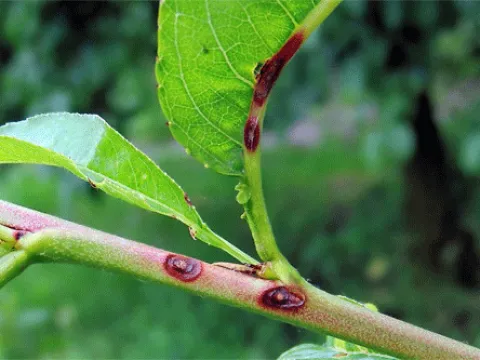
Common symptoms include localized necrotic lesions on leaves, often surrounded by a dark margin or chlorotic halo.
In woody plants, the pathogen can cause bark cankers, leading to localized dieback of twigs and smaller branches.
Tiny, black, fruit-bearing bodies may become visible to the naked eye on the surface of the lesions under humid conditions.
Premature leaf drop and generalized thinning of the canopy are frequently observed in cases of severe infection.
Distorted growth of young shoots often occurs when the fungus affects the actively dividing meristematic tissues.
The infection cycle is significantly enhanced by prolonged periods of high humidity and moderate rainfall during the growing season.
Dense planting schemes restrict airflow, creating microclimates that allow fungal spores to germinate on foliage with ease.
Inadequate orchard sanitation, such as leaving leaf litter on the ground, provides an abundant source of inoculum for spring reinfection.
Plants suffering from drought, mechanical damage, or nutritional deficiencies are disproportionately susceptible to infection by these fungi.
Warm spring temperatures followed by persistent moisture create the perfect environment for the rapid colonization of host tissues.
The primary damage results from a reduction in photosynthetic capacity, which directly correlates to lower total crop yield.
Chronic infections can weaken the plant structurally, making it more susceptible to environmental stressors like wind or frost damage.
Fruit quality is often compromised, leading to cosmetic blemishes that make produce unacceptable for high-value commercial markets.
Repeated annual infections can lead to the slow decline and eventual death of perennial woody crops over several years.
Increased expenditure on fungicides and labor for sanitation represents a substantial economic burden for growers.
Rigorous orchard and field sanitation, including the removal and destruction of infected plant material, is the foundation of management.
Strategic applications of broad-spectrum fungicides should be timed with critical infection windows, usually occurring in early spring.
Proper pruning practices that open the canopy help promote better air circulation and faster drying of leaves after rain.
Ensuring balanced soil fertility helps plants maintain the vigor necessary to resist or tolerate infection by fungal pathogens.
- Pruning to remove cankered or blighted twigs.
- Utilizing resistant cultivars when available.
- Managing irrigation to avoid prolonged leaf wetness.