
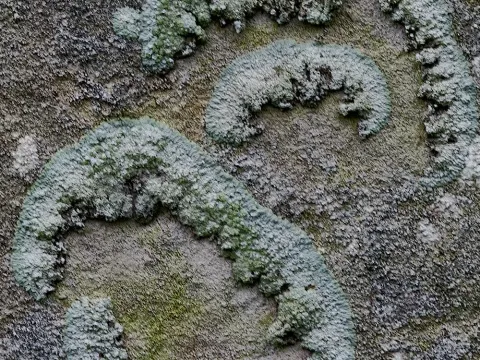
Diplodia blight
Diploicia
Diplodia blight is caused by various fungal species, primarily those within the Diplodia genus, such as Diplodia seriata (anamorph of Botryosphaeria obtusa). These fungi are classified as ascomycetes and are known for their ability to survive in plant debris and tree bark for extended periods.
What the section contains
Diplodia blight
The pathogen functions as both a facultative parasite and a saprophyte. It thrives by exploiting stressed or weakened plant tissues, adapting to a wide range of environmental conditions and woody host species across different climates.
The fungal life cycle involves the formation of pycnidia, which are small black fruiting bodies embedded within the host tissue. Inside these structures, conidia are produced and subsequently released through rainfall or wind to infect nearby healthy tissues.
Infection typically occurs through natural openings or mechanical wounds, such as pruning cuts, insect damage, or frost cracks. Once inside, the fungal mycelium colonizes the vascular tissues, specifically the xylem and phloem, impeding the plant's nutrient and water transport.
A key biological aspect of this disease is its potential for latency. The fungus can persist within the tree in an inactive state for several seasons, only becoming aggressive once the host plant encounters environmental or physiological stress.
The primary symptom of Diplodia blight is the development of sunken, dark-colored lesions on the bark. Over time, these areas become rough, develop deep cracks, and begin to peel or slough off from the underlying wood.
Branch dieback is a hallmark of the infection. Leaves on affected branches often turn yellow, curl, and may remain attached to the tree long after the branch has died, creating a distinct look of decline in the canopy.
Small, black, pimple-like structures, which are the fungal pycnidia, become visible on the surface of the dead bark. Their presence is a critical diagnostic indicator used by agronomists to identify the infection in the field.
Fruit infection is also common, manifesting as rot, darkening, and shriveling. These fruits often become mummified and may cling to the branches, serving as a continuous source of inoculum for further spread during the growing season.
A cross-section of an infected branch usually reveals localized browning or necrosis of the wood. As the mycelium spreads, it can girdle the branch, cutting off all flow to the distal parts, which causes the rapid death of the terminal sections.
The disease flourishes in environments characterized by high humidity and frequent rainfall. Water droplets are essential for the dispersal of conidia from the pycnidia, facilitating the spread of the pathogen throughout the canopy.
Plants subjected to environmental stress, such as drought, nutrient deficiency, or extreme temperature fluctuations, are significantly more susceptible to infection. Stress compromises the plant's natural defenses, making it easier for the fungus to establish.
Mechanical injuries represent the most common entry points for the pathogen. Damage caused by heavy winds, hail, insect borers, or improper pruning practices creates the necessary pathways for the fungus to penetrate the protective bark layer.
Poor orchard sanitation is a major factor in the disease cycle. The accumulation of dead wood, fallen leaves, and mummified fruit on the ground creates a high-pressure environment where spores can easily reinfect the trees during wet weather.
Close spacing and inadequate pruning of the canopy lead to reduced air circulation. This results in prolonged leaf and bark wetness, which is the perfect condition for the fungal spores to germinate and infect the host tissues.
Diplodia blight causes significant economic losses by reducing both the yield and the long-term health of orchard trees. Repeated infections can lead to severe structural damage and the loss of essential productive branches.
Fruit quality is drastically impacted, rendering the crop unmarketable. Infected fruit often succumb to secondary decay, making them entirely unsuitable for commercial sale or long-term cold storage.
The disruption of the vascular system leads to stunted growth and reduced vigor. Over time, affected trees show significantly lower photosynthetic capacity, smaller foliage, and limited annual twig development.
Infection increases the tree's susceptibility to secondary winter damage. Because the vascular system is weakened, infected trees often struggle to survive extreme winter cold, leading to significant dieback or total mortality.
The financial burden includes not only the loss of harvest but also the high costs associated with management, including labor for pruning, investment in chemical fungicides, and the potential need for premature tree removal and replanting.
A comprehensive sanitation program is the foundation of effective management. All infected branches must be pruned well into healthy wood, ensuring that all signs of necrosis are removed from the tree.
Proper disposal of pruned material is critical; it should be burned or removed from the site immediately. Never compost or leave infected wood in the orchard, as the fungus can remain viable and continue producing spores for several years.
Preventive fungicide applications, particularly those containing copper, are beneficial when applied at the appropriate growth stages. These treatments create a protective barrier on the bark, preventing spores from colonizing any existing wounds.
Improving tree vigor through balanced fertilization and appropriate irrigation helps the plant maintain its natural resistance. A healthy tree is far more capable of compartmentalizing infections and resisting the advancement of the fungus.
Protecting the tree trunk from sunscald and frost cracks is a vital preventive strategy. Utilizing reflective white paint or protective wraps helps maintain bark integrity, thereby limiting the opportunities for the pathogen to enter the tree.