
Diplodia fig disease
Diplodia caricae
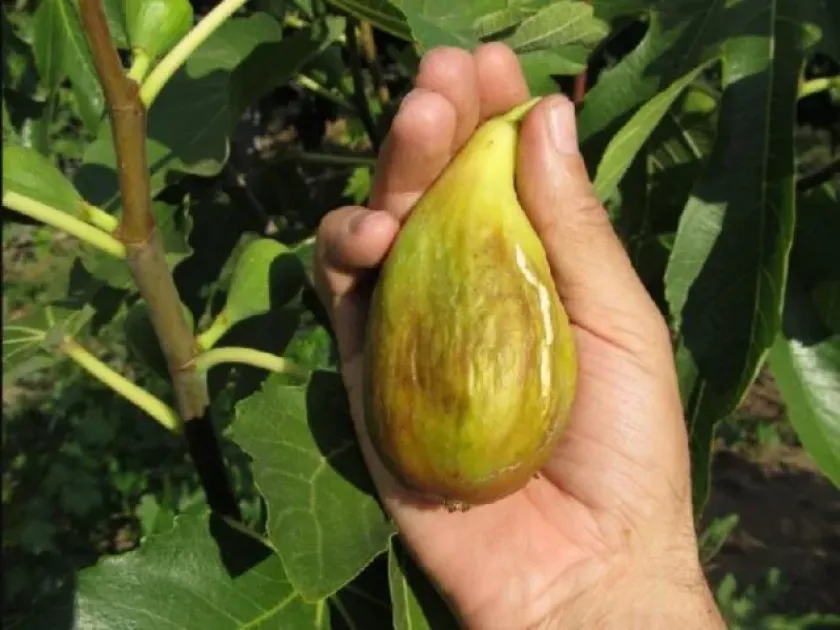
Description
Symptoms
The primary symptoms include the development of dark brown or black lesions on twigs and branches, which eventually girdle the limb, causing the foliage above the infection site to wilt and die.
Fruit symptoms are manifested as sunken, dark-colored spots that appear on the surface of developing figs. These lesions often expand rapidly, causing the fruit to shrivel, decay, or drop prematurely.
Under humid conditions, tiny black fruiting bodies (pycnidia) become visible on the surface of the infected bark and rotting fruit, serving as a diagnostic indicator of the presence of the Diplodia fungus.
Leaf yellowing and premature defoliation occur when the vascular system is compromised, preventing water and essential minerals from reaching the upper canopy of the tree.
Internally, woody parts show distinctive brown discoloration within the xylem. This internal necrosis often precedes external symptoms, reflecting the systemic nature of the colonization by the fungal mycelium.
Pathogen
The disease is caused by the fungus Diplodia caricae, a pathogen that primarily targets fig trees. It survives as mycelium or pycnidia in infected bark, dead branches, and decaying fruit, allowing it to persist in the orchard year-round.
Spore production is triggered by specific temperature and moisture profiles. Conidia are disseminated by rain splash, wind currents, and insect activity, ensuring the pathogen moves efficiently throughout the canopy.
Once spores land on susceptible host tissue, they germinate and penetrate the plant through wounds, natural openings, or pruning cuts. The fungus colonizes the vascular and cortical tissues, disrupting nutrient transport.
The biological cycle of Diplodia caricae is highly aggressive in humid environments. It produces digestive enzymes that break down host cells, leading to localized tissue death and structural weakness in the affected branches.
This pathogen demonstrates strong saprophytic capabilities, meaning it can continue to feed on dead tissue, ensuring that even unpruned dead wood serves as a consistent source of inoculum for subsequent seasons.
Conditions for development
High humidity and moderate temperatures are the most critical environmental drivers for the rapid proliferation and infection cycle of Diplodia caricae in fig plantations.
Poor orchard sanitation, specifically leaving mummified fruits and dead wood on the tree or ground, provides the necessary environmental conditions for the fungus to complete its life cycle.
Physical injuries, whether caused by poor pruning techniques, frost damage, or insect boring, create entry points for the pathogen to bypass the tree's natural physical defenses.
Dense planting schemes that prevent airflow contribute to a microclimate with stagnant air and prolonged leaf wetness, which drastically increases the risk of successful spore infection.
Tree stress, induced by either drought, nutrient deficiencies, or soil compaction, significantly lowers the tree's resistance to infection, making it easier for the pathogen to establish itself.
Why it matters
The economic impact of Diplodia fig disease is severe, primarily resulting from substantial fruit yield losses and a drastic reduction in the quality of the harvest for market sale.
The disease contributes to the gradual decline of the tree's health, leading to canopy thinning and a reduction in vigor that impacts photosynthetic capacity and overall fruit production over several years.
Affected trees exhibit increased vulnerability to abiotic stresses, particularly cold winter temperatures, which can cause significant dieback and the death of major structural branches.
The accumulation of inoculum in the orchard requires continuous investment in chemical and manual control measures, increasing production costs and decreasing the profitability of the operation.
If left unmanaged, the pathogen can kill entire orchards, forcing growers to remove trees and potentially rendering the soil problematic for future replanting of susceptible varieties.
Protection
Rigorous sanitation remains the most effective control method. All dead wood, cankered branches, and fallen fruit must be pruned and physically removed or destroyed to eliminate the source of spores.
Protective sprays using copper-based fungicides are highly recommended during the dormant stage, specifically in early spring before bud break and late autumn after leaf fall, to lower the fungal load.
Implementing proper training and pruning techniques ensures an open canopy structure, which improves airflow, reduces humidity around the fruit, and decreases the duration of leaf wetness.
Disinfecting pruning tools between trees using a bleach or alcohol solution is essential to prevent the mechanical transmission of the fungus from infected individuals to healthy ones.
Maintaining optimal tree vigor through balanced fertilization and appropriate irrigation helps the tree's internal defense systems resist infection and recover more effectively from potential pathogen exposure.
Discussion
No discussions yet — be the first.