
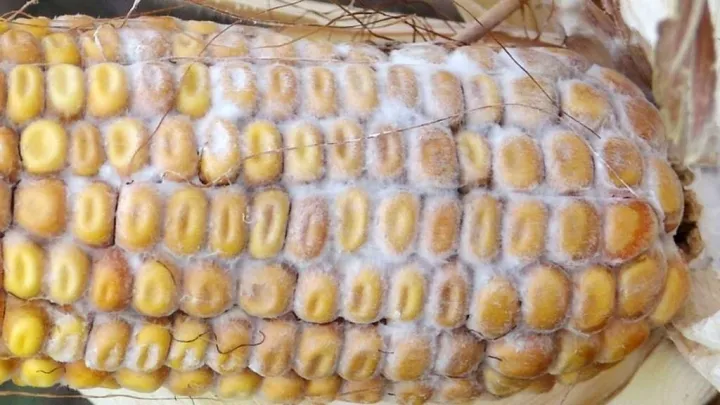
Description
Symptoms
In citrus, the infection typically begins at the stem end of the fruit, causing it to turn dark brown or black, leading to rapid softening and decay.
On branches and trunks, symptoms include leaf yellowing, branch dieback, and cracks in the bark with underlying tissue discoloration.
A hallmark sign of the disease is the presence of numerous small, black, pinhead-sized pycnidia scattered across the affected bark or fruit surface.
Affected stems of maize or other herbaceous crops may show internal rotting, browning, and a grayish mycelial growth inside the stem pith.
- Darkening and necrosis of stems or branches.
- Appearance of black pycnidia on the surface.
- Premature fruit drop and canopy thinning.
- Dieback of twigs and major scaffold branches.
Pathogen
Diplodia is a significant fungal disease caused by various species within the genus Diplodia (most notably Diplodia natalensis or Lasiodiplodia theobromae).
This pathogen belongs to the group of fungi that survive in necrotic tissue, soil, and plant debris as mycelium or pycnidia, which are small fruiting bodies.
The fungus is highly opportunistic, capable of invading plant tissues through wounds, pruning cuts, or natural openings like stomata.
Its life cycle relies on the production of pycnidiospores, which are easily disseminated by wind-driven rain, irrigation splash, and insect vectors.
Due to its resilience, the pathogen can remain latent in woody tissues for extended periods before manifesting as a visible disease under stress conditions.
Conditions for development
The development of Diplodia is strongly favored by high relative humidity and warm temperatures, typically ranging between 25°C and 30°C.
Plants under water stress or those suffering from nutrient deficiencies are significantly more susceptible to successful infection by the fungus.
Poor orchard ventilation and dense canopy growth create stagnant air pockets that maintain the moisture levels required for spore germination.
Mechanical injuries resulting from hailstorms, heavy winds, or improper pruning practices create ideal entry points for the fungal mycelium.
Neglected orchards with large amounts of deadwood serve as primary reservoirs, facilitating the constant cycling of the disease within the crop.
Why it matters
The disease causes substantial direct losses by rendering fruits unmarketable due to rapid post-harvest and pre-harvest rotting.
In perennial crops, chronic Diplodia infections lead to progressive branch dieback, which reduces the photosynthetic capacity of the plant over time.
The reduction in tree vigor makes the plants more prone to other secondary pathogens and pests, further exacerbating overall orchard decline.
The rapid spread of the disease during rainy periods can devastate a harvest in a very short timeframe if protective measures are not implemented.
Economic impact includes high management costs for fungicide programs and the potential total loss of older, heavily infected specimen trees.
Protection
Strict sanitation practices, including the removal and destruction of all infected plant parts and deadwood, are the most effective management strategies.
Disinfecting pruning tools after working on infected trees is crucial to prevent the accidental transmission of spores to healthy plant tissue.
Applying copper-based fungicides or appropriate systemic treatments during the dormant season and before the rainy period helps suppress spore production.
Optimizing irrigation and fertilization schedules helps maintain plant health, allowing the crop to better resist fungal penetration.
Promoting good airflow through proper canopy management and timely thinning reduces the local humidity levels, hindering the pathogen's development.
Pathogens and affected parts
Affects crops · 1
Discussion
No discussions yet — be the first.