
Description
Symptoms
Typical symptoms of Diplodia infection include the development of dark, sunken cankers on the stems, branches, and trunks of woody host plants.
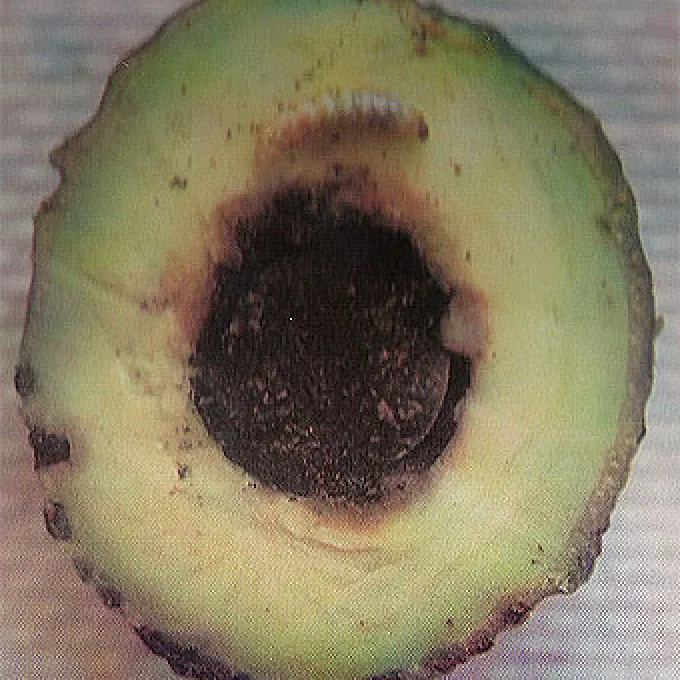
In fruits such as mango and avocado, the infection results in rapid tissue softening and the appearance of characteristic black, watery spots that spread quickly.
The fungus affects the vascular system of the host, leading to wilting, dieback of twigs, and eventual death of the entire plant if the infection reaches the root crown.
Exudation of gum or resin from cracks in the bark is a common indicator of internal tissue colonization by the fungal mycelium.
On herbaceous crops like flax, the disease manifests as stem browning, lodging, and premature desiccation of the plant before maturity.
Pathogen
The causative agent of the disease is the fungus Diplodia cacaoicola, which is frequently synonymized with Botryodiplodia theobromae in modern mycological research.
This pathogen exhibits a broad host range, infecting various economically significant crops including cocoa, mango, avocado, papaya, and flax (Linum usitatissimum).
Furthermore, it affects ornamental species such as Cattleya orchids and Poinsettia, often causing significant aesthetic and structural damage to the plants.
The fungus is characterized by the production of pycnidia, which serve as reproductive structures containing numerous conidia responsible for the spread of the disease.
It acts as a facultative parasite, meaning it can survive as a saprophyte on decaying organic matter while remaining ready to infect healthy tissues under suitable conditions.
Conditions for development
High relative humidity and warm temperatures, typically ranging from 25°C to 30°C, are the most critical factors favoring the rapid proliferation of the pathogen.
Mechanical injuries resulting from pruning, harvesting, or insect activity serve as the primary entry points for the fungal spores into the plant tissue.
Stagnant air conditions, poor ventilation in dense canopies, and excessive soil moisture create an ideal microclimate for the germination of conidia.
Plants that are physiologically stressed due to improper fertilization, water deficit, or excessive shading are significantly more susceptible to infection.
Dissemination of the pathogen primarily occurs through rain splash, wind-blown spores, and the use of contaminated agricultural tools during routine maintenance.
Why it matters
The economic impact of Diplodia is substantial, causing heavy yield losses due to fruit rot during the pre-harvest and post-harvest storage stages.
Dieback of productive branches in crops like cocoa reduces long-term plantation productivity, necessitating expensive replacement of infected trees.
The disease compromises the plant's structural integrity, making trees more prone to breakage during storm events or high winds.
Rapid spread of the pathogen in nurseries can lead to the total loss of young seedlings, disrupting the supply chain for fruit and ornamental production.
Management costs are further increased by the necessity for repeated fungicide applications and intensive labor for the removal of infected plant materials.
Protection
Sanitation is the cornerstone of control: all dead or dying branches must be pruned back to healthy tissue and disposed of by burning to eliminate the inoculum.
Disinfecting pruning shears and saws with appropriate antimicrobial solutions between every plant is mandatory to prevent cross-contamination in the orchard.
Preventative fungicide sprays, particularly those containing copper or systemic triazoles, are effective when applied strategically before the onset of rainy seasons.
Maintaining optimal tree vigor through balanced soil nutrient management and regular canopy thinning helps prevent the establishment of the fungus.
Implementing effective pest management programs is essential to reduce the number of insect-related wounds, which are common sites for Diplodia infection.
Pathogens and affected parts
Affects crops · 8
Discussion
No discussions yet — be the first.