
Delphinella
Delphinella
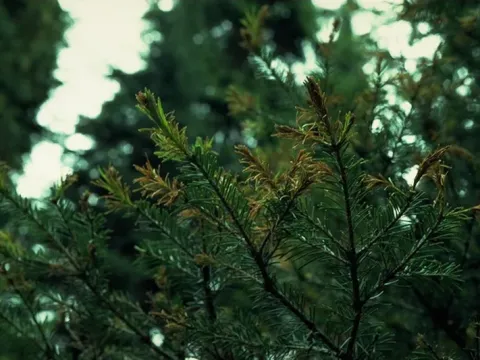
The primary symptom of Delphinella infection is the yellowing and subsequent browning of needles, typically observed in the early spring months. Infected shoots often appear stunted or twisted, indicating the pathogen's impact on growth.
What the section contains
Delphinella
Tiny black fruiting bodies, known as apothecia, may be visible on the needles under close inspection. Over time, heavy needle drop occurs, leaving branches bare and significantly reducing the tree's ornamental value.
Top shoots may dry out and die, leading to visible dieback within the tree canopy. Resin exudation is commonly found near necrotic lesions as the tree attempts to seal off the fungal infection.
Infection often starts in the lower branches, slowly moving upward. The affected needles become brittle, lose their luster, and detach easily from the branches when touched.
Symptoms are most pronounced after the snow melts, as the fungus enters its active sporulation phase, utilizing the moisture to infect new, vulnerable tissues.
The disease is caused by fungi belonging to the genus Delphinella, with Delphinella abietis being the most recognized species affecting coniferous trees.
These fungi are specialized pathogens that colonize host tissues, disrupting physiological processes. The mycelium grows inside the needles, leading to tissue necrosis and weakening the host.
The life cycle involves the formation of sexual spores, which are released during periods of high humidity. These spores are disseminated by wind and rain, allowing the fungus to spread across the forest or nursery.
The pathogen is highly resilient, capable of overwintering on fallen needles. This debris serves as the primary inoculum source for the following season's infections.
The biological activity of the fungus is strictly synchronized with the host's growth cycle, ensuring that infection occurs when the needles are most susceptible to colonization.
High humidity and moderate temperatures are the most critical environmental drivers for Delphinella development. Persistent fog and rain create a perfect environment for spore germination.
Dense plantings restrict airflow, causing moisture to remain on the needles for longer periods. This high-humidity microclimate is highly conducive to fungal establishment and rapid spread.
Plants under stress, whether from nutrient deficiencies or inadequate sunlight, show much higher susceptibility to the disease compared to healthy, well-maintained trees.
Temperature fluctuations during early spring can damage protective barriers in the needles, creating entry points for fungal hyphae to penetrate the plant tissues.
The presence of infected plant debris around the base of the trees significantly increases the risk of recurrent infections, forming a continuous cycle of disease.
Delphinella causes significant damage in nursery settings, where it can kill young saplings and result in large economic losses for producers.
The loss of needles severely impairs the tree's photosynthetic ability. This leads to diminished growth rates, reduced vigor, and increased susceptibility to secondary pests and pathogens.
Severe infestations cause branch dieback, eventually compromising the structure of the canopy. If left unmanaged, the cumulative damage can lead to the death of the entire tree.
The economic impact involves both the direct costs of fungicide applications and the loss of marketable nursery stock due to poor appearance and health.
In landscape design, severe cases make conifers unsightly, forcing owners to remove infected specimens, which disrupts the intended horticultural aesthetic.
The most effective cultural practice is the diligent removal and destruction of all fallen needles, which prevents the build-up of fungal inoculum near the trees.
Improving air circulation through proper spacing and pruning helps to minimize the humidity levels that the fungus requires to thrive.
Chemical control involving copper-based fungicides or systemic anti-fungal treatments is recommended as a preventative measure during the early spring season.
- Thinning of the canopy to improve airflow.
- Balanced fertilization to strengthen plant immunity.
- Strict selection of pathogen-free planting stock.
- Regular monitoring of needle condition during the spring.
A combination of sanitation, improved site management, and timely fungicide application provides the most reliable control against this destructive disease.