
Delitschiaceae
Delitschiaceae
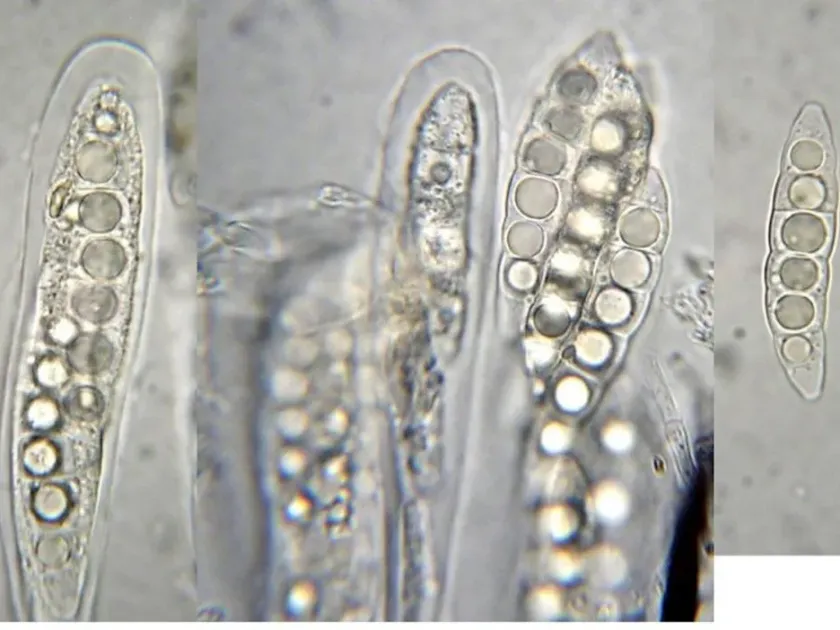
Description
Pathogen
The Delitschiaceae family represents a group of fungi within the order Pleosporales, known for their specific morphological characteristics including the structure of their asci and ascospores.
These fungi are typically characterized by pseudothecia, which are small, flask-shaped structures embedded within the plant tissue or substrate that contain the fungal spores.
While many species act primarily as saprotrophs, some may transition to weak parasitic behavior, particularly when the host plant is stressed or weakened by environmental factors.
The fungus penetrates the plant through natural openings or mechanical wounds, where it establishes its mycelium and begins to feed on plant organic matter.
Understanding the life cycle of these fungi is essential for agricultural management, as they are capable of surviving harsh conditions by remaining dormant until suitable growth conditions arise.
Conditions for development
The spread of Delitschiaceae is highly dependent on humidity levels and the availability of moist organic matter, which serves as a breeding ground for spore germination.
Poor agricultural practices, such as leaving crop residues on the field after harvest, provide the perfect environment for the fungus to persist and overwinter.
Conditions that hinder the proper ventilation of crops, such as excessive plant density, often lead to microclimates with stagnant air, promoting fungal development.
Temperature fluctuations that result in frequent morning dews and damp foliage are significant drivers for the expansion of the infection from soil to plant parts.
Stress factors such as drought or nutrient deficiencies in plants can weaken their innate resistance, making them more susceptible to colonization by these opportunistic fungi.
Why it matters
Damage caused by Delitschiaceae usually manifests as localized necrosis, leading to tissue decay and the loss of essential structural integrity in affected plant organs.
By disrupting the physiological processes of the plant, including photosynthesis and nutrient uptake, the fungus contributes to stunted growth and lower biomass.
The presence of these fungi often invites secondary infections by bacteria or other fungi, which may be more aggressive, leading to more severe crop damage.
Overall yield reduction is a primary concern in fields where the pathogen prevalence is high, affecting both the quantity and the economic quality of the harvest.
The economic impact is often cumulative, as repeated exposure to the fungus in the same soil over several growing seasons can gradually deplete crop health.
Protection
Implementing a robust crop rotation strategy is the most effective way to disrupt the life cycle of Delitschiaceae and minimize the reliance on chemical control.
Deep plowing and thorough incorporation of plant residues significantly reduce the inoculum load in the soil by burying the fungi below the viable zone.
Proper plant spacing and field ventilation are crucial cultural practices that help maintain a drier canopy, which is less conducive to spore germination.
Application of fungicides should be considered if monitoring reveals a rapid increase in infection rates, focusing on products that offer preventative protection.
- Regular soil cultivation.
- Balanced fertilization programs.
- Timely removal of infected plant material.
Discussion
No discussions yet — be the first.