
Dematophora root rot
Dematophora
Description
Symptoms
The first external symptom of Dematophora root rot is a general loss of vigor, characterized by leaf yellowing, early leaf drop, and stunted growth. Infected trees show symptoms of drought stress even when soil moisture is adequate.
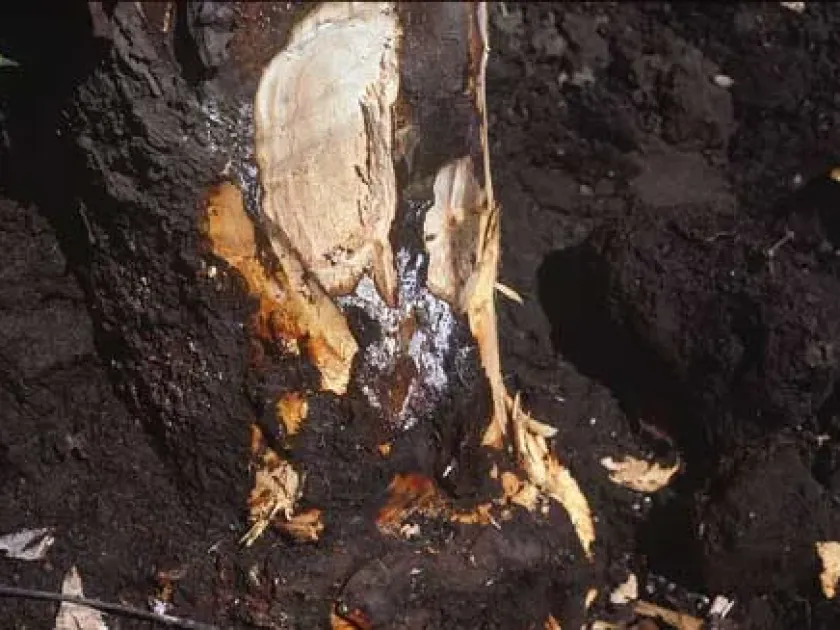
A distinctive feature is the presence of white to grayish-white fungal mycelium that forms a web-like mat around the crown and structural roots of the host plant. This layer is often visible just beneath the bark surface.
As the disease progresses, the bark on the roots becomes soft and develops a damp, musty odor. The wood underneath often shows a characteristic greyish appearance, indicating that the fungus has reached the xylem and phloem.
Trees gradually lose their anchorage in the soil as the root system decays. In advanced stages, the tree will show significant dieback and will eventually collapse or die completely after a season of severe stress.
Infected trees typically appear in circular patches within an orchard, as the fungus spreads steadily from one tree to the next through the root contact network.
Pathogen
The causative agent of this disease is the fungus Dematophora necatrix (also known as Rosellinia necatrix). It is a soil-borne pathogen that persists in the environment as mycelium or sclerotia on organic matter.
The fungus develops white, cotton-like mycelial strands that invade the root systems of host plants. These strands are capable of spreading through the soil to reach adjacent plants, facilitating the rapid expansion of the disease within an orchard.
In addition to vegetative spread, the pathogen can survive for several years in the soil due to the formation of hardy sclerotia. These structures allow the fungus to persist even in the absence of a living host plant for extended periods.
The fungus is highly aggressive, utilizing enzymes to break down plant cell walls. It primarily enters the plant through small wounds, cracks in the roots, or direct contact between the fungus and healthy tissue.
Biological activity of the pathogen is highly dependent on environmental moisture. High soil water content facilitates the rapid movement of the fungus and accelerates the colonization of healthy roots.
Conditions for development
The disease thrives in heavy, poorly drained soils where aeration is insufficient. Lack of oxygen in the root zone combined with constant moisture creates the perfect environment for the growth of Dematophora necatrix.
Optimal growth temperatures for the fungus are between 15°C and 25°C. During these warmer periods, the pathogen grows rapidly, causing extensive damage to the root system within a single growing season.
The presence of old tree stumps, decaying wood, or root residues from previously removed trees serves as a primary inoculum source. The fungus establishes itself on these debris piles before infecting young or healthy trees.
Poor soil management, such as the excessive use of fertilizers that leads to high salinity or imbalanced plant nutrition, can weaken the tree's natural defense mechanisms, making it more susceptible to infection.
Furthermore, soils with acidic pH levels and low levels of beneficial microbial diversity are more prone to severe outbreaks, as these conditions do not naturally suppress the growth of the pathogen.
Why it matters
Dematophora root rot is a devastating disease for fruit production. Once a tree is significantly infected, it usually cannot be saved, leading to permanent loss of productive assets for the orchard owner.
A wide range of economically important species is affected, including apples, pears, peaches, plums, and grapevines. This wide host range makes it difficult to plan effective crop rotations on infected sites.
Yield reduction is significant long before the tree actually dies. Fruit quality declines, and the tree becomes unable to produce enough resources to maintain its health or sustain a commercial harvest.
Orchard management costs skyrocket due to the need for clearing infected trees, treating the soil, and ensuring that the disease does not spread to unaffected areas, which often involves heavy labor and material expenses.
The long persistence of the fungus in the soil forces long-term abandonment of the infected plots, creating major constraints for land use and long-term financial planning in agricultural enterprises.
Protection
Prevention is the most critical strategy. This includes selecting well-drained soils, ensuring proper irrigation management, and avoiding the planting of new trees on sites where the disease has been previously detected.
Soil improvement is essential; adding organic matter to encourage beneficial microbes that can outcompete the pathogen is a common biological approach to help manage the disease risk.
If an infected tree is identified, it must be removed immediately, ensuring that as much of the root system as possible is extracted. The soil in the infected spot should be treated or left fallow for several years.
Using certified, disease-free nursery stock is vital to avoid introducing the fungus into the orchard. Inspection of root systems at the time of planting can catch early signs of contamination.
Chemical control options are generally limited and used mostly as preventive measures in high-risk areas. Biological agents, such as specific strains of Trichoderma, are increasingly used to suppress the pathogen in the soil environment.
Discussion
No discussions yet — be the first.