
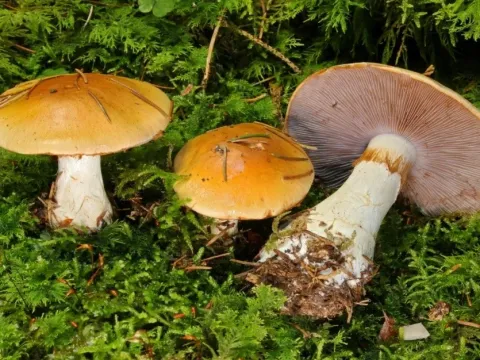
Cortinarius variiformis
Cortinarius variiformis
Cortinarius variiformis is a fungal species belonging to the Cortinariaceae family. It is crucial to clarify that this organism is not a plant pathogen that causes diseases in agricultural crops, but rather a beneficial mycorrhizal fungus.
What the section contains
Cortinarius variiformis
In the forest ecosystem, this fungus forms a symbiotic relationship with trees. It creates a mycelial network that connects with plant roots, assisting in the uptake of water and mineral nutrients from the soil, which significantly aids tree vitality.
The morphology of the fungus typically includes a pileus (cap) that changes appearance throughout its lifecycle. A defining characteristic of the Cortinarius genus is the cortina, a web-like veil that protects the gills in young specimens.
Scientists classify this species through detailed observation of its spores and biochemical markers. Because of the vast number of related species, molecular analysis is often required for precise identification.
As a mycorrhizal fungus, it plays an essential role in the nutrient cycling of woodland habitats. Its presence is generally considered an indicator of a healthy, functioning forest soil system.
The growth of Cortinarius variiformis is highly dependent on specific woodland microclimates. It thrives in environments where there is a constant supply of organic matter and stable humidity levels.
Soil quality is a primary factor for the development of the mycelium. The species typically prefers well-drained, slightly acidic forest soils that maintain a balanced moisture content throughout the growing season.
Temperature fluctuations can significantly impact the production of fruit bodies. The fungus prefers moderate temperatures; extremes in heat or cold can force the mycelium into a dormant state, hindering visible growth.
Environmental stability is key to the survival of this species. Disturbances to the forest floor, such as severe compaction or chemical contamination, can disrupt the delicate mycorrhizal association required for the fungus to exist.
Dispersal is primarily mediated by wind, which carries spores from mature fruit bodies to new locations. If spores land in suitable soil near a compatible host tree, they germinate and begin to develop the mycelial network necessary for future growth.