
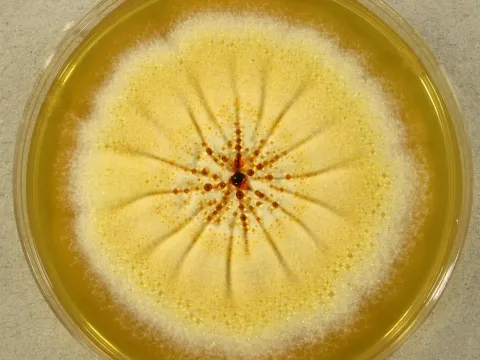
Corynascus sepedonium
Corynascus sepedonium
The causative agent of the disease is the micromycete Corynascus sepedonium, which belongs to the class of Ascomycetes. In modern mycology, this species is often viewed as part of a complex of soil fungi capable of both saprotrophic and weak parasitic lifestyles.
What the section contains
Corynascus sepedonium
The biology of the pathogen is closely tied to the substrate it colonizes. The fungus is characterized by conidial sporulation, allowing it to rapidly colonize organic matter in the soil or plant tissues weakened by other stress factors.
The life cycle of Corynascus sepedonium includes both an asexual stage, ensuring rapid dispersal, and a sexual stage, which promotes survival under adverse environmental conditions.
This microorganism possesses high enzymatic activity, allowing it to effectively break down complex plant polymers. This makes it an active participant in organic decomposition, while also posing a threat to living plant tissues.
Identification of the pathogen is primarily conducted through laboratory methods, as the morphological features of the conidia require microscopic analysis for accurate species confirmation.
The development of Corynascus sepedonium is directly dependent on substrate moisture. Optimal conditions for spore germination and tissue colonization are soil moisture levels at 60–80% of total water capacity.
Temperature plays a key role in the metabolic intensity of the fungus. The pathogen exhibits maximum activity within the range of +22 to +28 degrees Celsius, often coinciding with the active growth period of many agricultural crops.
The presence of large amounts of uncomposed plant residues in the soil creates an ideal nutritional foundation for fungal reproduction. Under such conditions, the accumulation of the inoculum occurs exponentially.
Poor agricultural practices, such as soil compaction and impaired aeration, create micro-zones with low oxygen content that favor the development of pathogenic mycoflora.
Reduced immune status of plants due to nutrient deficiencies or herbicide stress makes tissues more susceptible to fungal penetration, as the pathogen exploits even minor damage to the epidermis.
The damage caused by this pathogen involves the suppression of growth processes in affected plants. The fungus can cause root system degradation, reducing the plant's ability to absorb water and essential nutrients.
When seeds or seedlings are infected, they often rot, leading to sparse crop stands and the need for reseeding. This significantly increases the production costs of the farming operation.
Pathogen development within tissues results in the release of metabolites with toxic effects on the plant. This leads to leaf chlorosis, premature wilting, and necrosis of specific stem or root sections.
General weakening of the plant organism under the influence of Corynascus sepedonium leaves the crop defenseless against secondary infections. As a result, total yield losses can range from 10% to 30% depending on seasonal conditions.
Disturbances in physiological processes also reduce the quality of harvested produce, including the storage longevity of fruits and the germination rate of seeds intended for the following season.
The primary method of control is strict adherence to crop rotation, which prevents the accumulation of specific pathogens in the soil. It is recommended to alternate crops that are not hosts for this specific fungus.
Thorough incorporation of post-harvest residues and deep plowing help accelerate the mineralization of plant tissues, stripping the fungus of its nutritional base for survival during the off-season.
The application of balanced mineral fertilizers, particularly phosphorus-potassium complexes, enhances the natural resistance of plants to infection and accelerates tissue regeneration.
The use of high-quality treated seed material is a critical preventive measure. Systemic fungicides are effective in protecting seedlings from early soil-borne infection.
Regular phytosanitary monitoring of fields allows for the timely detection of disease hotspots. In cases of widespread development, the application of approved fungicides targeting a broad spectrum of soil-borne Ascomycetes is recommended.