
Cortinarius variecolor
Cortinarius variecolor
Description
Symptoms
The primary sign of its presence is the appearance of fruiting bodies during the autumn season in woodland areas.
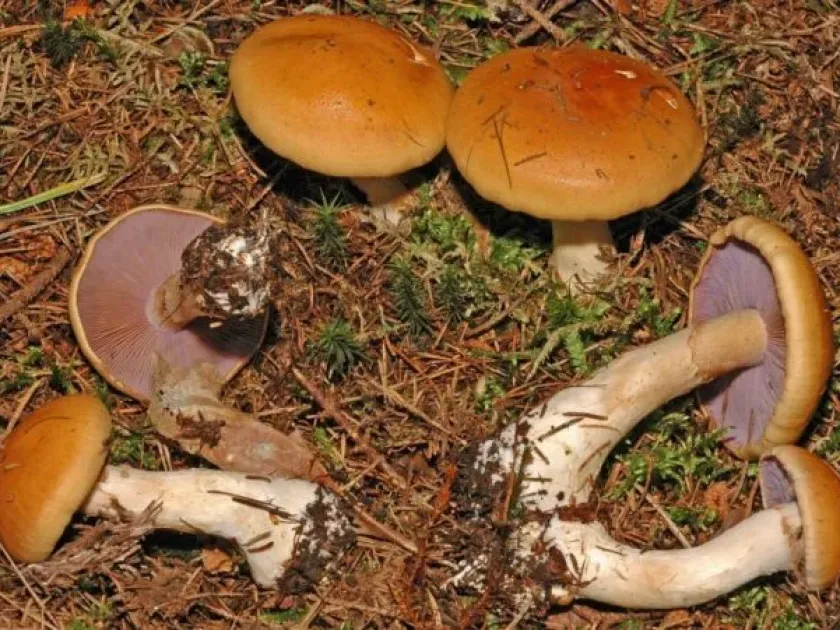
The cap is typically brownish-ochre with hints of purple or grey, reaching a diameter of up to 12 centimeters.
A distinctive feature is the violet-colored gills in young specimens, which are covered by a characteristic cobweb-like veil (cortina).
The stem is robust and often shows a bulbous base, which is a key identification characteristic for this specific species.
As the mushroom ages, the veil breaks and leaves traces on the stem, while the gills transition from purple to brownish as spores mature.
Pathogen
Cortinarius variecolor belongs to the genus Cortinarius, which is one of the largest groups of fungi in the family Cortinariaceae.
It is important to clarify that this fungus is not a plant pathogen and does not cause diseases in agricultural or garden crops.
This species functions as a mycorrhizal fungus, establishing a mutualistic relationship with the root systems of various forest trees.
It does not possess the biological mechanisms to invade plant tissues or cause symptoms like wilting, rot, or necrosis.
The taxonomic classification of the species is based on its chemical properties, color changes, and the presence of a cobweb-like veil.
Conditions for development
Cortinarius variecolor prefers specific forest habitats where it can maintain a stable mycorrhizal symbiosis with host trees.
The species requires high soil moisture and moderate temperatures, which typically occur in the late summer and autumn months.
The presence of organic leaf litter is essential for the mycelium to spread and store nutrients effectively.
Environmental stability is necessary for the production of fruiting bodies, which are sensitive to drought and extreme frost.
It is primarily found in soil rich in decaying plant matter, reflecting its role in nutrient cycling within the forest floor.
Why it matters
This fungus poses no risk to agriculture, horticulture, or any cultivated plants, as it lacks parasitic traits.
It does not interfere with crop development, root integrity, or the yield potential of any farm commodities.
In forest ecosystems, its activity is considered beneficial rather than harmful, supporting tree health through mineral uptake.
There are no recorded instances of this fungus damaging timber or nursery plants, distinguishing it clearly from actual pathogens.
Concern regarding its impact on plants is unnecessary, as its presence is a natural component of healthy woodland biodiversity.
Protection
No control methods or chemical applications are required for this species since it does not act as a disease-causing agent.
The implementation of plant protection strategies against this mushroom would be ecologically and agronomically pointless.
Preservation of the natural habitat is the only recommendation, ensuring the mycorrhizal balance of forest soils is maintained.
No manual removal or decontamination is necessary, as the organism performs its function within the complex soil ecosystem.
Awareness of the species' nature helps distinguish it from true pests or pathogens that may require targeted intervention.
Discussion
No discussions yet — be the first.